Maharashtra Declares Over Three Hundred Talukas Drought‑Hit
The state government announced that 305 talukas across Maharashtra, including Junnar and Ambegaon, have been officially classified as drought‑affected. The declaration triggers emergency water‑relief measures and reallocates state funds for irrigation projects.
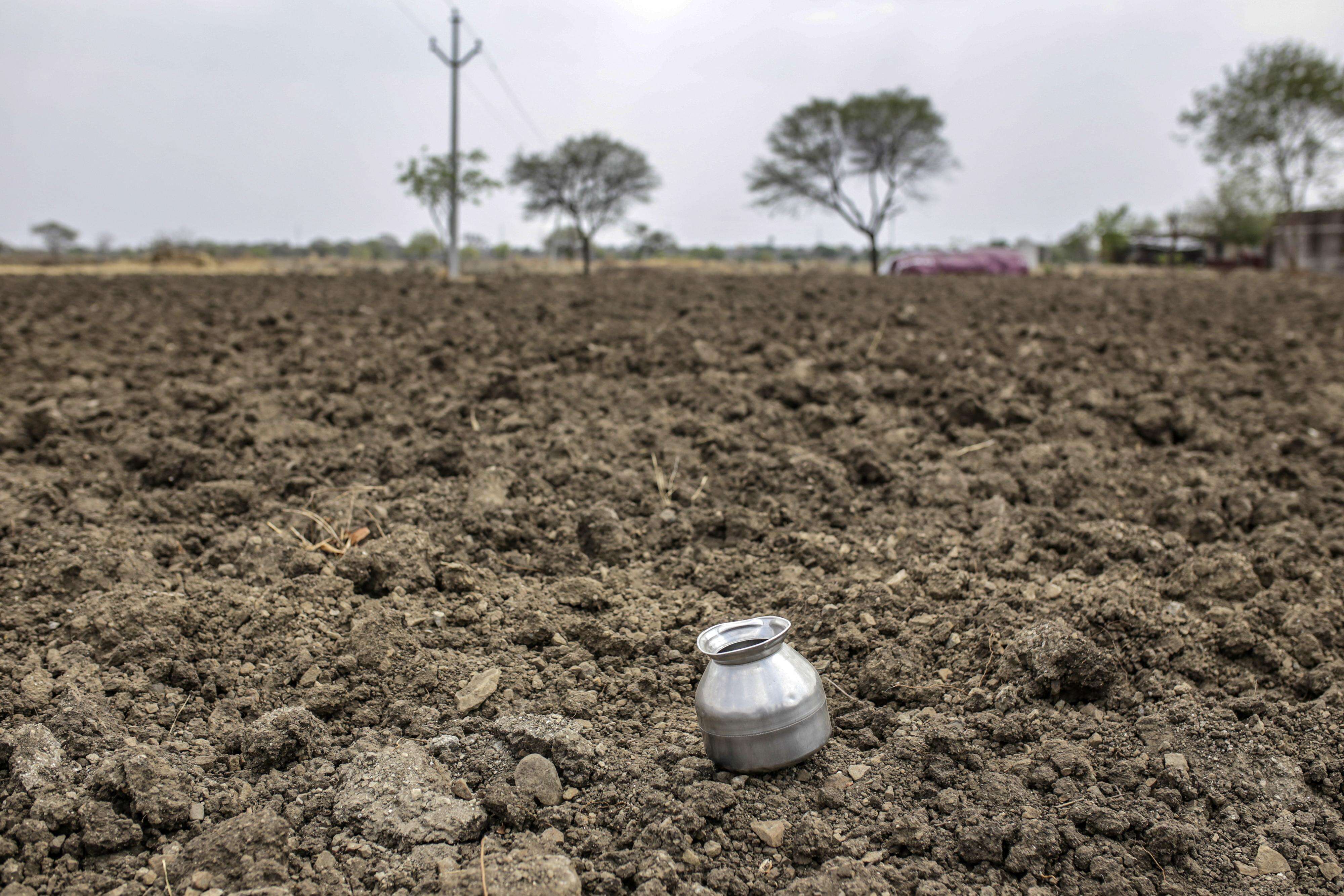
The announcement, made by the Maharashtra Water Resources Department, listed Junnar in Pune district and Ambegaon in the same region among the talukas facing severe water scarcity due to below‑average monsoon rainfall and depleted groundwater tables. Officials cited satellite‑derived soil moisture data and field surveys that revealed a sharp decline in water availability for both agricultural and domestic use. The declaration activates the state’s drought‑relief protocol, which includes the distribution of water tankers, the provision of subsidised electricity for borewell operation, and the fast‑track approval of micro‑irrigation schemes.
The drought status has profound implications for the agrarian economy of the region, where a majority of households depend on rain‑fed crops such as millets and pulses. Crop‑insurance claims are expected to rise sharply, and market analysts predict a contraction in the local grain market, potentially driving up food prices in nearby urban centres. The state government has also appealed to the central Ministry of Water Resources for additional funding to implement large‑scale rainwater harvesting and to rehabilitate existing check‑dams that have fallen into disrepair.
Community leaders and NGOs have called for a coordinated response that includes not only immediate relief but also long‑term water‑management reforms. Proposals under discussion include the promotion of drought‑resistant crop varieties, the expansion of drip‑irrigation networks, and the enforcement of stricter groundwater extraction regulations. The declaration serves as a stark reminder that climate variability is intensifying, and that proactive governance will be essential to safeguard livelihoods in Maharashtra’s most vulnerable districts.
Comments 0