Balconies Become Luxury Commodity in Mumbai’s Redevelopment Rush
As Mumbai’s high‑rise renewal accelerates, private developers are treating balconies as premium amenities, widening the gap between affluent buyers and ordinary residents. The trend reshapes urban living standards and affordability calculations.
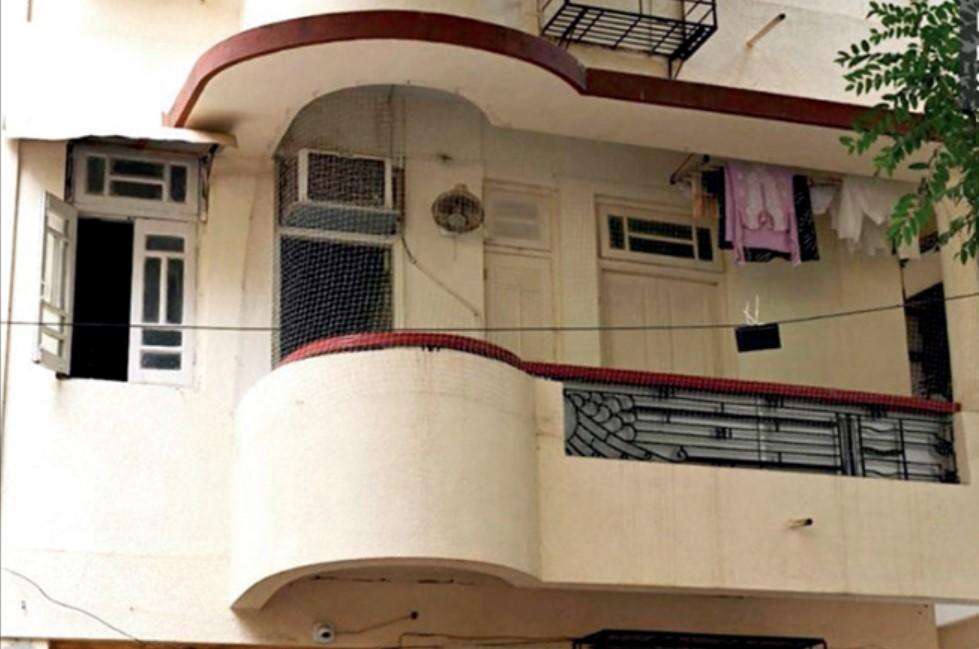
In the latest wave of redevelopment projects across Mumbai’s coastal districts, architects and builders are allocating a disproportionate share of floor space to private balconies, marketing them as exclusive retreats. For middle‑class homebuyers, the premium attached to these outdoor extensions translates into higher purchase prices and reduced affordability, while luxury buyers enjoy expansive vistas and private outdoor zones. The shift reflects a broader market response to post‑pandemic desires for personal open space, yet it also underscores a growing inequity in the city’s housing stock.
Municipal regulators have struggled to keep pace with the rapid pace of construction, often granting variances that permit larger balcony footprints in exchange for higher development charges. Critics argue that this practice erodes the intended density of high‑rise projects, compromising the city’s capacity to accommodate its burgeoning population. Urban planners warn that the cumulative effect could exacerbate traffic congestion and strain public utilities, as fewer units are built per plot while each unit consumes more resources.
The social ramifications are evident in resident protests and legal challenges filed by community groups demanding equitable allocation of common areas. Housing advocacy organisations predict that the trend will drive a surge in informal settlements as displaced lower‑income families seek affordable alternatives. Policymakers are now under pressure to revise zoning norms and enforce stricter guidelines on amenity distribution to ensure that redevelopment benefits are more evenly shared.
Comments 0