Bar-Bench Tensions in Allahabad: The Oudh Bar's Intervention Against a Judge
The Allahabad High Court Bar Association has sought the intervention of the Oudh Bar Association against Justice Arun Kumar Singh Deshwal, citing growing tensions between the bar and the bench. This move highlights the deepening institutional friction in the Indian judiciary, where the relationship between judges and lawyers is becoming increasingly strained.
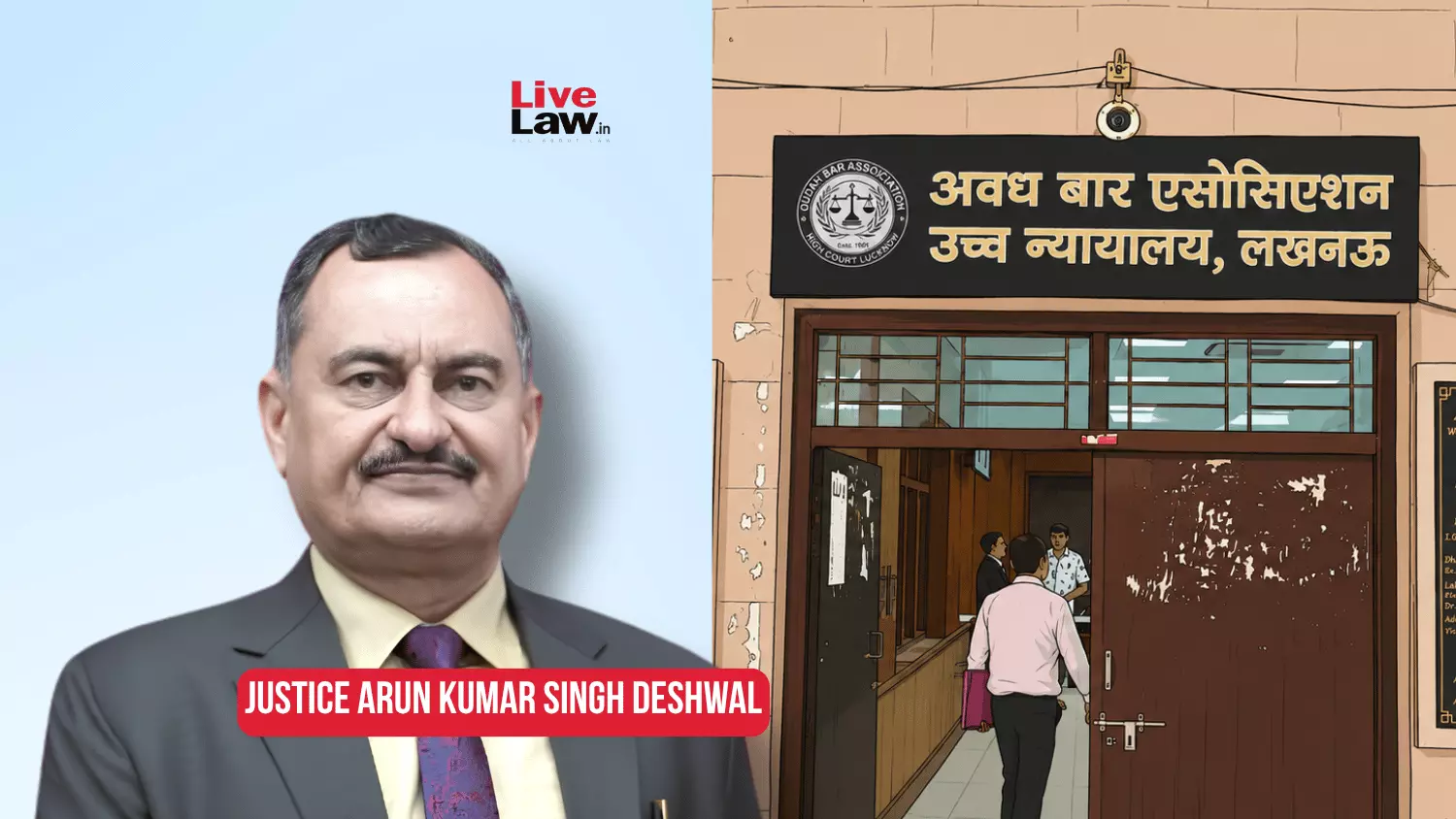
The Indian judiciary is facing a crisis of confidence, and the recent actions of the Allahabad High Court Bar Association are a symptom of this broader malaise. The decision to seek the intervention of the Oudh Bar Association against a sitting judge is a rare and significant move, indicating that the tensions between the bar and the bench have reached a breaking point. This is not a isolated incident but part of a pattern of increasing friction, with lawyers feeling that their rights and dignity are being compromised by the judiciary. The move is a direct challenge to the authority of the judge and a call for accountability.
The underlying tension is about the power dynamics within the judiciary. The bar and the bench are supposed to be partners in the administration of justice, but in recent years, the relationship has become adversarial. Lawyers are feeling that they are being treated with contempt, and judges are feeling that they are being obstructed in the discharge of their duties. This is a zero-sum game, where one side's gain is the other's loss. The intervention of the Oudh Bar Association is a sign that the bar is willing to take a stand, even if it means challenging the authority of the judiciary.
The downstream consequences are serious for the administration of justice. If the tensions continue to escalate, it could lead to a breakdown in the relationship between the bar and the bench, which would have a negative impact on the functioning of the courts. It could also lead to a loss of public confidence in the judiciary, which is already under pressure. The long-term impact will be a more polarized and less effective judiciary, one that is unable to deliver justice in a fair and impartial manner. The situation requires a urgent intervention from the higher judiciary to restore the balance and ensure that the administration of justice is not compromised.
Comments 0