Madhya Pradesh Announces Massive Crop‑Loss Memorandum, Seeking Central Relief
The state government prepared a memorandum documenting losses across three crore farm sites, demanding urgent assistance from the central government. The claim follows a severe weather episode that devastated staple crops across the region.
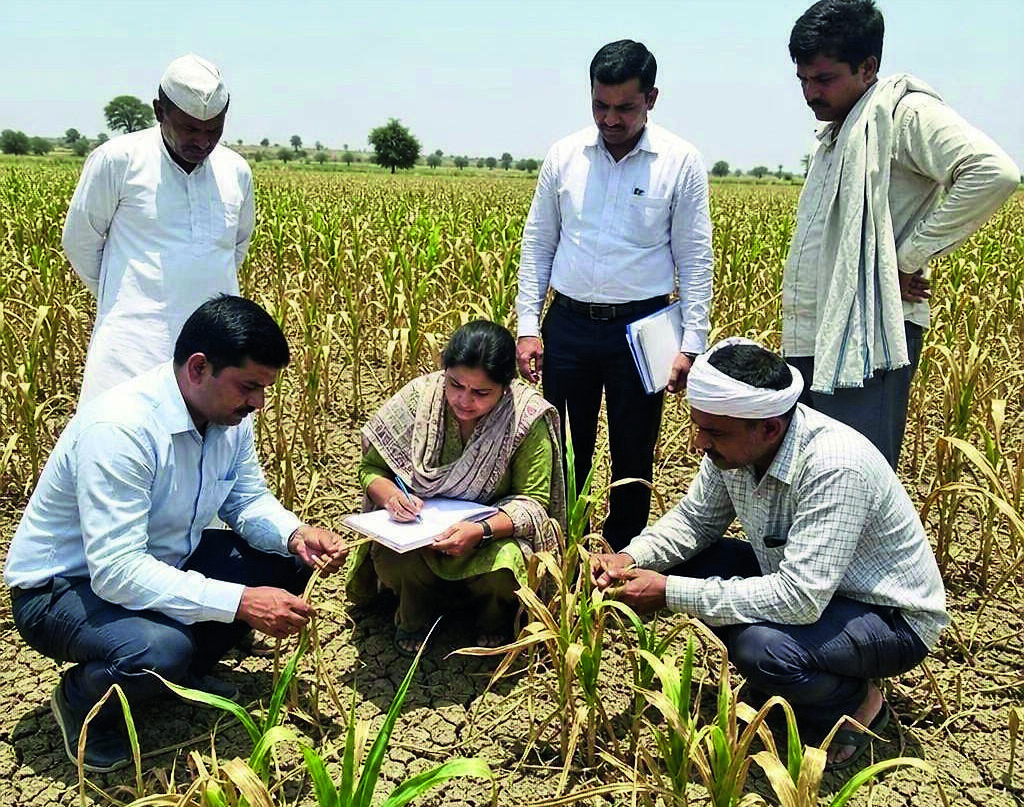
Following an unprecedented bout of erratic monsoon patterns, Madhya Pradesh's agricultural department compiled data indicating that approximately three crore farm plots suffered significant yield reductions. The memorandum, drafted by the state’s chief minister’s office, enumerates losses in wheat, soybeans, and pulses, attributing the shortfall to delayed rains, hailstorms, and temperature spikes. Officials employed satellite imagery and ground surveys to substantiate the figures, presenting a comprehensive picture of the agrarian distress that now threatens food security and farmer livelihoods across the heartland.
The request for central assistance emerges against a backdrop of longstanding tensions between state and union authorities over disaster relief allocations. While the central government maintains a framework for compensatory payouts, critics argue that bureaucratic delays and rigid eligibility criteria have hampered timely support. The memorandum seeks to expedite the release of funds, invoke crop‑insurance schemes, and secure concessional credit for affected cultivators. Agricultural lobbyists have rallied behind the plea, emphasizing that delayed intervention could exacerbate rural indebtedness and trigger a wave of farmer suicides.
If the central government accedes to the demands, the immediate impact would be a infusion of financial resources to stabilize farm incomes and prevent a cascade of defaults on agricultural loans. Moreover, the episode may catalyze reforms in early warning systems and climate‑resilient farming practices, as policymakers recognize the escalating vulnerability of the sector. Over the next year, the state’s proactive stance could set a precedent for other regions confronting climate‑induced crop failures, potentially reshaping the national approach to agrarian disaster management.
Comments 0