Beijing Ascendant As Global Nuclear Hegemony Shifts Eastward
China is on course to surpass both the United States and France in nuclear energy production by 2035. This industrial acceleration threatens traditional Western dominance over advanced atomic infrastructure.
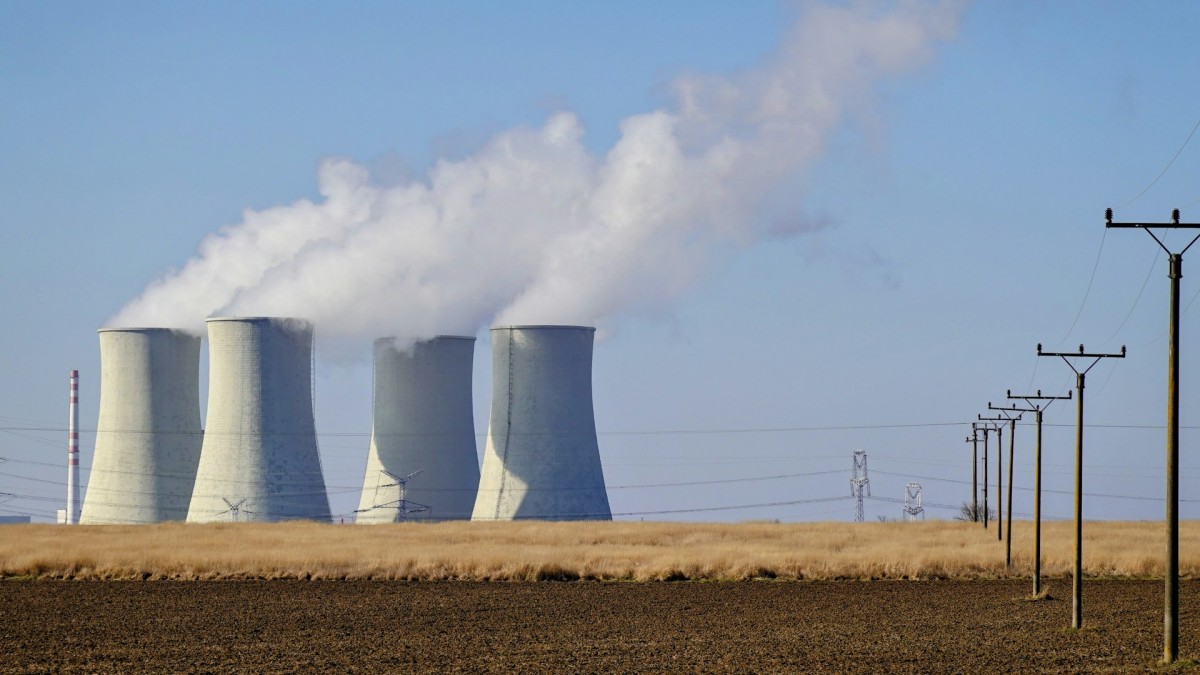
The global energy paradigm is undergoing a profound gravitational shift toward East Asia. While Western democracies grapple with regulatory paralysis, aging infrastructure, and escalating construction costs for atomic projects, the Chinese state orchestrates a relentless expansion of its nuclear fleet. Analysts indicate that Beijing's centralized financial backing and streamlined supply chains allow for the simultaneous construction of multiple Generation III and IV reactors at a scale unseen since the mid-twentieth century. This rapid ascent exposes deep systemic vulnerabilities in Western energy planning. The United States, despite maintaining historical leadership in total output, faces severe bottlenecks in domestic uranium enrichment and skilled engineering talent. Meanwhile, European nations struggle to reconcile ambitious decarbonization targets with fiscal austerity. Beijing capitalizes on these hesitations, positioning its state-owned nuclear enterprises as the premier exporters of atomic technology to the developing world, thereby displacing traditional Western vendors. Downstream consequences of this transition extend far beyond mere kilowatt-hour statistics. Nations that adopt Chinese reactor designs bind themselves to decades of technical dependency, operational oversight, and geopolitical alignment with Beijing. Western industrial conglomerates face a permanent erosion of their export markets, leaving traditional powerhouses scrambling to subsidize domestic supply chains before they vanish entirely from the international arena.
Comments 0