New York Climate Liability Law Collides With Federal Authority
A federal judge has invalidated New York's landmark seventy-five billion dollar climate liability statute, ruling that it infringes upon federal jurisdiction. The decision deals a severe blow to municipal strategies seeking direct financial restitution from major energy corporations.
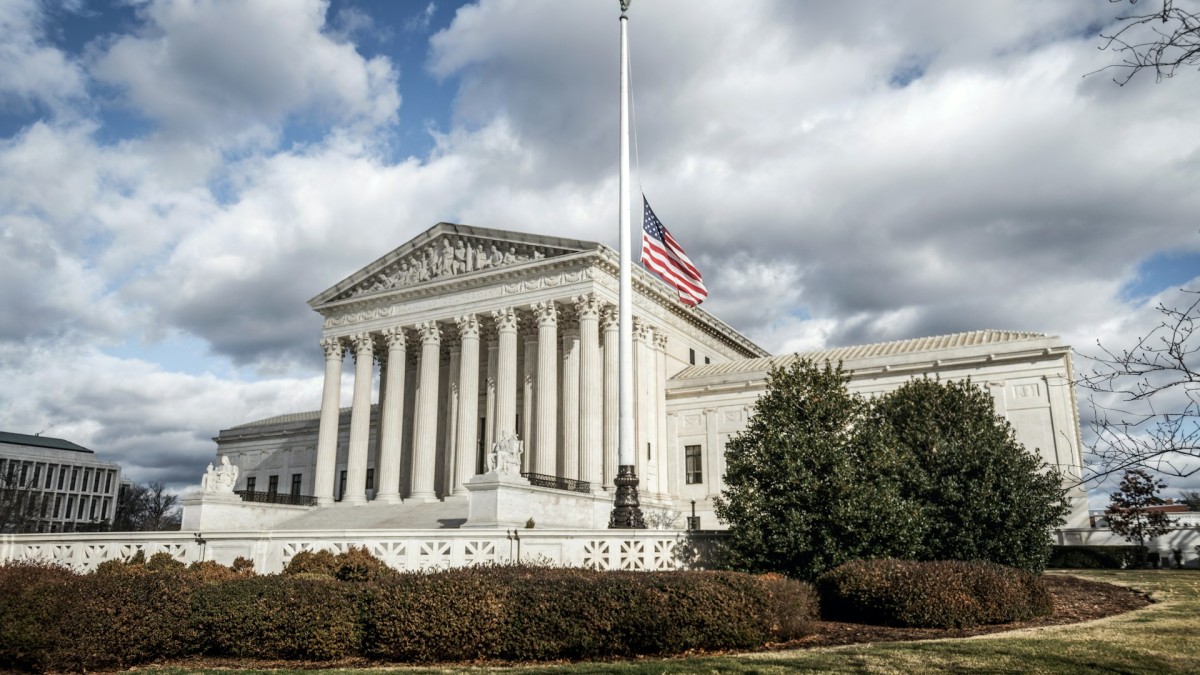
The legislative initiative championed by New York policymakers to compel fossil fuel conglomerates to finance state climate mitigation efforts has hit a definitive judicial wall. Designed to extract up to seventy-five billion dollars from historical emitters based on their carbon contributions, the law was intended to pioneer a new model of state-level environmental accountability. Instead, a federal court ruled that the statute unconstitutionally encroaches upon interstate commerce and federal regulatory domains, halting its implementation entirely. This legal defeat exposes the fundamental tension between regional climate ambitions and centralized national jurisdiction in the United States. While state legislatures face mounting fiscal pressures from rising sea levels and extreme weather events, energy conglomerates have successfully leveraged federal preemption arguments. The ruling highlights the severe limitations local governments encounter when attempting to regulate global energy markets through unilateral financial penalties. The immediate aftermath leaves New York without its primary funding mechanism for infrastructure resilience, forcing lawmakers to seek alternative, less direct revenue streams. For the broader energy sector, the verdict provides a temporary legal shield against state-led liability suits. Yet, the underlying political momentum behind climate litigation ensures that state legislatures will continue testing alternative legal pathways to exact damages.
Comments 0