Beijing Lowers Tariffs on Select United States Agricultural Imports While Excluding Soybean Shipments
China has announced targeted reductions on specific American farm goods while maintaining strategic protectionism over key commodities like soybeans. The selective trade adjustment signals a calculated calibration of bilateral economic leverage.
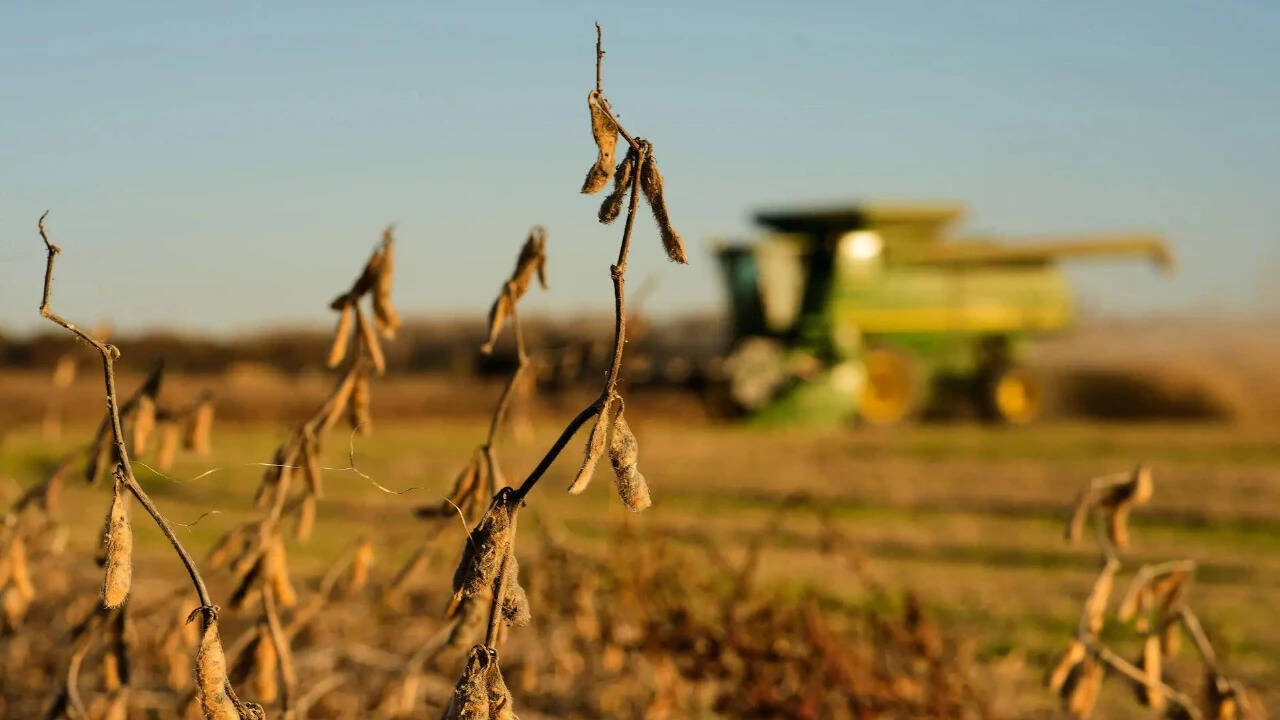
The recent tariff adjustments implemented by Beijing represent a nuanced recalibration of trade policy toward the United States, offering concessions on secondary agricultural categories while rigorously safeguarding domestic soybean supply chains. By lowering import barriers selectively, Chinese trade officials project a willingness to engage in bilateral commerce without surrendering strategic leverage in primary commodity markets where domestic food security remains paramount. This calculated maneuver exposes the ongoing structural friction between major economic superpowers attempting to decouple sensitive supply chains while maintaining pragmatic commercial ties. Agricultural exporters in the American Midwest find themselves navigating an uneven where certain sectors gain favored market access while others face enduring protectionist walls. The exclusion of soybeans underscores Beijing's determination to diversify its agricultural import origins toward South American producers, reducing long-term strategic vulnerability to Washington. The immediate economic outcome is a bifurcated export market for American agricultural producers, where localized winners in niche food categories benefit from reduced tariffs while major commodity conglomerates face sustained export headwinds. Global trade routing will continue to adjust as grain traders reroute vessels to satisfy Chinese demand through non-U.S. suppliers. Ultimately, this selective tariff reduction preserves mutual deterrence without signaling a broader diplomatic thaw.
Comments 0