Beijing Rejects Allegations of Espionage Involving Nvidia Chief
China’s foreign ministry dismissed claims that Nvidia CEO Jensen Huang was involved in espionage, labeling the accusations as a smear campaign. The denial came as U.S. agencies intensified scrutiny of Chinese influence in high‑tech firms.
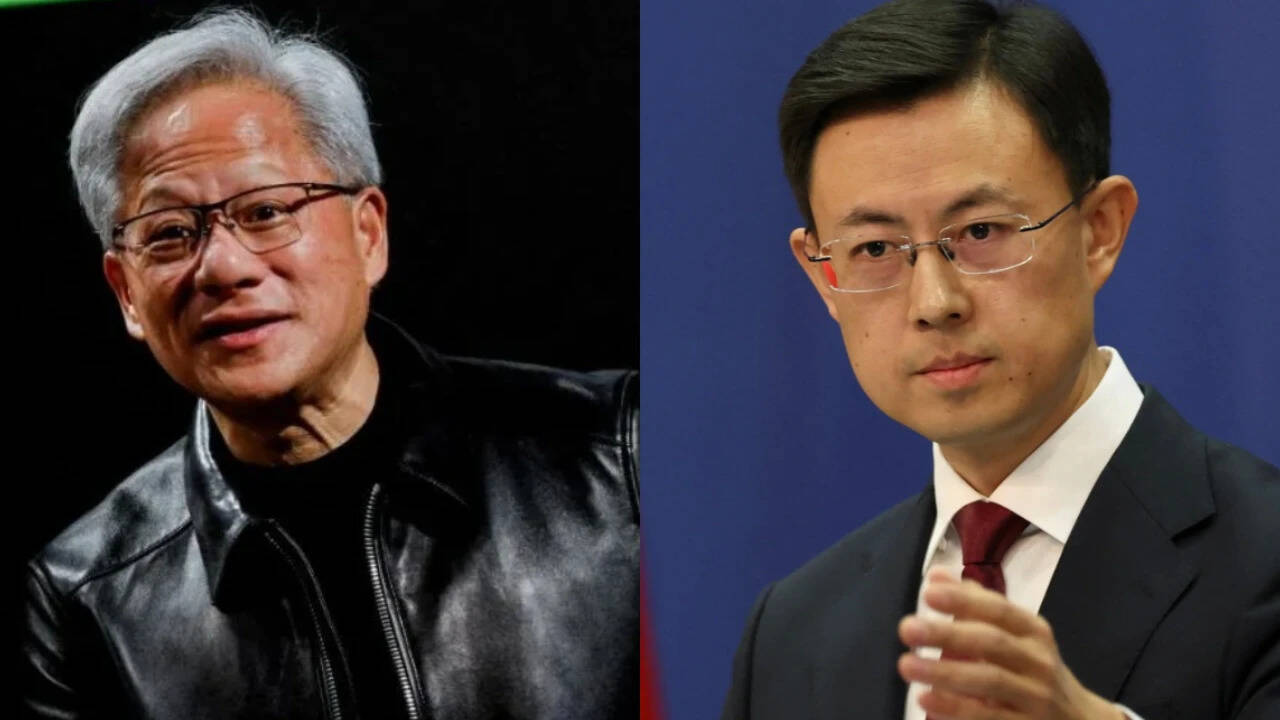
The concrete rupture of the diplomatic exchange was the public statement from Beijing’s foreign ministry, which categorically denied any involvement of Chinese agents in the personal affairs of Nvidia’s chief executive. This rebuttal arrived at a time when Washington was expanding its investigative reach into technology companies with perceived ties to Beijing, thereby heightening geopolitical tensions. The Chinese response sought to defuse the narrative that the United States was weaponising personal scandals for strategic advantage.
Underlying tension is rooted in the broader contest for supremacy in artificial intelligence and semiconductor technology. Both nations have vested interests in controlling the flow of talent, capital and intellectual property across borders. The Chinese denial underscores a defensive posture aimed at preserving its image while protecting domestic firms from being painted as security threats. Simultaneously, the episode reveals friction between diplomatic channels and intelligence communities, each interpreting the incident through the lens of national interest.
The downstream casualties could manifest as a cooling of bilateral tech collaborations, increased compliance burdens for multinational corporations, and a possible escalation of trade restrictions. Companies operating in both markets may face heightened due‑diligence requirements, while investors could see volatility in stocks linked to cross‑border technology ventures. The episode also risks entrenching a narrative of mutual suspicion that may impede joint research initiatives for the foreseeable future.
Comments 0