Iraq Secures U.S. Corridor to Boost Crude Exports via Oman
Iraq signed an agreement with the United States to route oil shipments through a maritime corridor along Oman’s coast, aiming to increase export volumes. The deal is expected to reshape regional oil logistics and enhance Iraq’s revenue stream.
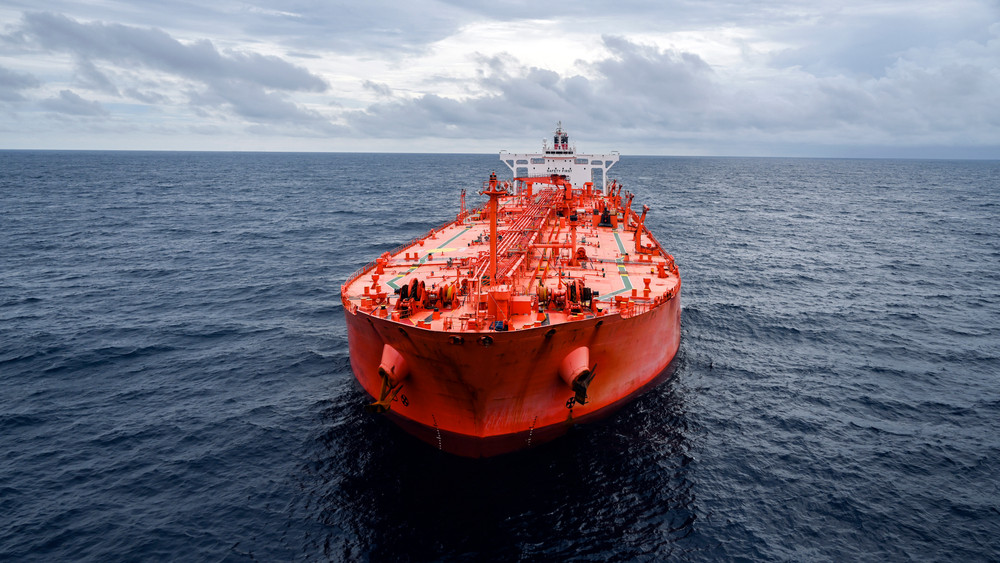
The concrete rupture of the arrangement was the formalisation of a transport corridor that will allow Iraqi crude to bypass the congested Strait of Hormuz, moving instead through Omani ports before reaching international markets. This logistical shift is projected to raise Iraq’s daily export capacity by several hundred thousand barrels, directly augmenting the nation’s foreign‑exchange earnings at a time when reconstruction funds are in high demand. The immediate shockwave was felt in regional shipping firms, which anticipate a surge in charter demand for tankers navigating the new route.
Underlying tension revolves around geopolitical competition for control of maritime oil pathways and the strategic interests of the United States in stabilising Iraqi oil flows. Baghdad’s reliance on a U.S.‑backed corridor underscores its desire to diversify export routes amid regional uncertainties, while Washington seeks to secure a reliable supply line that mitigates the risk of disruptions in the Persian Gulf. The agreement also reflects Oman's willingness to position itself as a logistical hub, leveraging its port infrastructure to attract transit fees.
Downstream casualties may include reduced traffic through traditional Gulf chokepoints, potentially diminishing revenue for ports that depend on transit fees. Conversely, the increased export capacity could lower global oil price volatility by adding a steady supply source, benefitting import‑dependent economies. For Iraq, the enhanced revenue stream is expected to fund infrastructure projects and public services, though it also raises expectations for transparent allocation of the additional funds.
Comments 0