Bengaluru and Mumbai Bridge Distances As High-Speed Sleeper Rail Redefines Transit
India's transport infrastructure takes a monumental leap forward as the introduction of the new Vande Bharat sleeper service slashes travel time between Bengaluru and Mumbai from twenty-four hours to under sixteen. This engineering milestone promises to reshape commercial passenger mobility and freight corridors across the western peninsula.
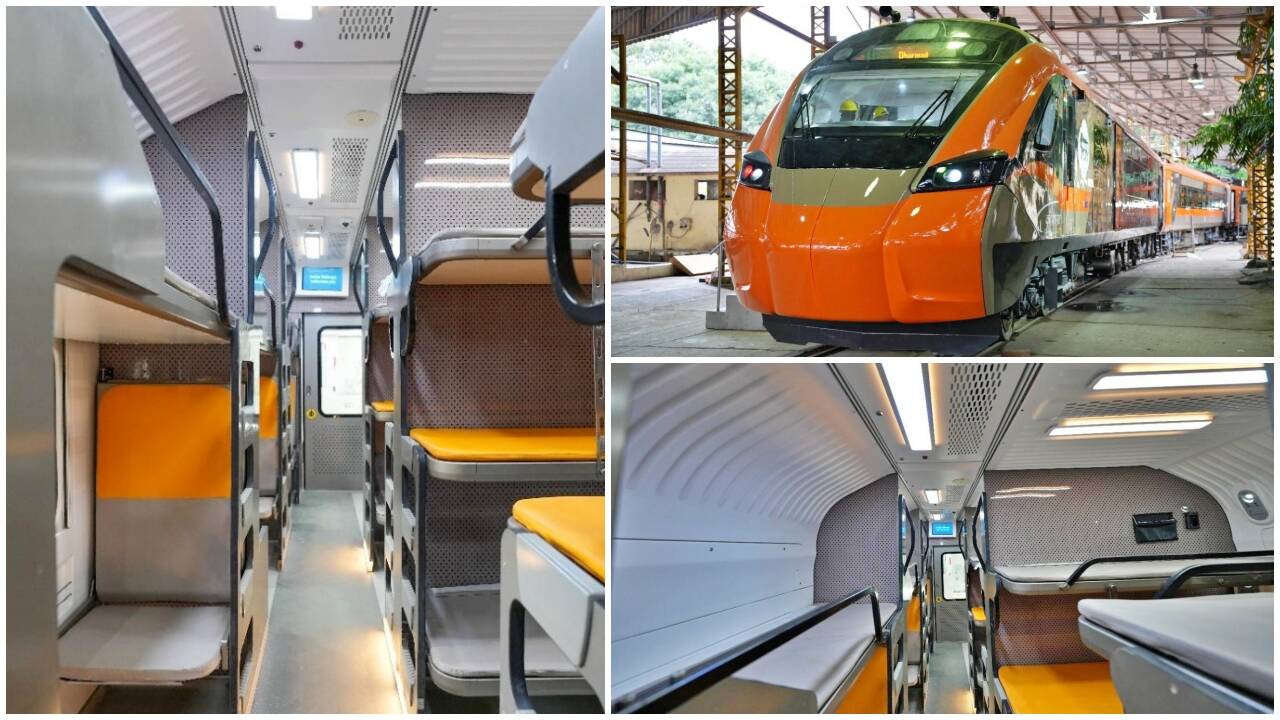
For decades, the sprawling industrial and financial axis connecting Bengaluru and Mumbai suffered from protracted rail transit times that severely limited economic agility and passenger convenience. The impending launch of the second Vande Bharat sleeper service directly dismantles this logistical bottleneck by deploying modern rolling stock capable of maintaining sustained high speeds across challenging terrain. Passengers who previously endured a grueling twenty-four-hour journey will now complete the transit in less than sixteen hours, effectively compressing commercial distances and unifying two of the nation's premier economic engines. Behind this operational breakthrough lies a complex convergence of sustained infrastructural investment, track modernization, and signaling overhauls managed by the Ministry of Railways. State planners faced intense institutional pressure to upgrade legacy trunk lines without disrupting existing freight movements, a delicate balancing act that required precise scheduling and advanced engineering interventions. The successful deployment signals a major shift in national rail strategy, moving away from incremental speed enhancements toward comprehensive high-speed network integration that challenges domestic aviation dominance on medium-haul routes. As this high-speed corridor becomes operational, legacy express trains on the route face immediate obsolescence, prompting a systemic reassessment of ticketing priorities, passenger amenities, and maintenance protocols across the entire railway network. Regional economies situated between the two metropolitan hubs stand to capture significant commercial dividends from increased traveler throughput and reduced transit friction. Ultimately, the project sets a new benchmark for public infrastructure delivery in India, proving that state-backed engineering can successfully modernize colonial-era trunk routes to meet contemporary economic demands.
Comments 0