G7 Strategic Reserve Release Pressures Distillate Margins Across Global Refineries
The coordinated release of one hundred million barrels from G7 emergency stockpiles has immediately suppressed middle distillate refinery margins following last month's record peaks. Refining conglomerates now face squeezed operational spreads as physical liquidity floods major global maritime hubs.
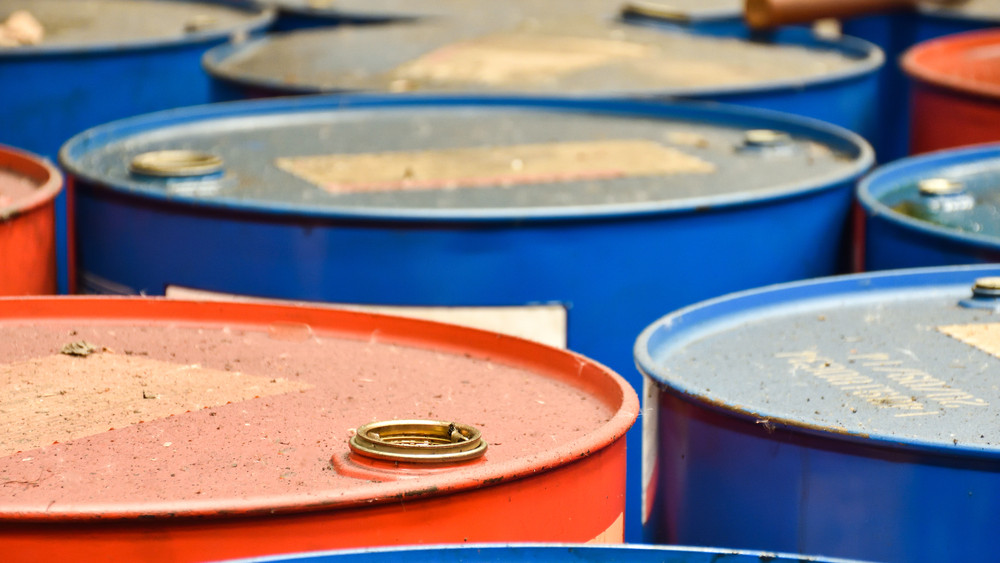
Governments across the G7 alliance have authorized the release of one hundred million barrels of crude oil and middle distillates from strategic reserves; a massive intervention designed to suppress regional price spikes. The immediate market response has been swift, with refining margins for diesel and heating oil falling abruptly from recent historical highs. Storage terminals from Rotterdam to Singapore are calibrating inventories as emergency supply lines open to commercial buyers. This state-directed liquidity surge highlights the deep friction between sovereign macroeconomic stabilization goals and commercial refining economics. Western energy ministries had faced mounting domestic political pressure over persistent transportation fuel inflation, forcing a drawdown of national buffers. However, merchant refiners that acquired costly crude inventories earlier in the quarter now find their processing economics severely compressed, exposing merchant capital to steep inventory write-downs. The downstream consequences will ripple across supply chains and refining hubs over the coming four months. Independent refiners lacking integrated upstream cushions will likely curtail operational runs to protect cash margins, potentially creating secondary localized shortages once the public reserves abate. For industrial consumers and logistics fleets, fuel costs will briefly stabilize; yet the underlying vulnerability of global refining capacity remains unresolved beneath this temporary administrative intervention.
Comments 0