Bengaluru Protesters Challenge Government Curbs on Public Demonstrations
Protesters in Bengaluru have accused the government of hypocrisy for imposing strict curbs on public demonstrations. This confrontation highlights the growing tension between civic activism and state control over public spaces in India's tech capital.
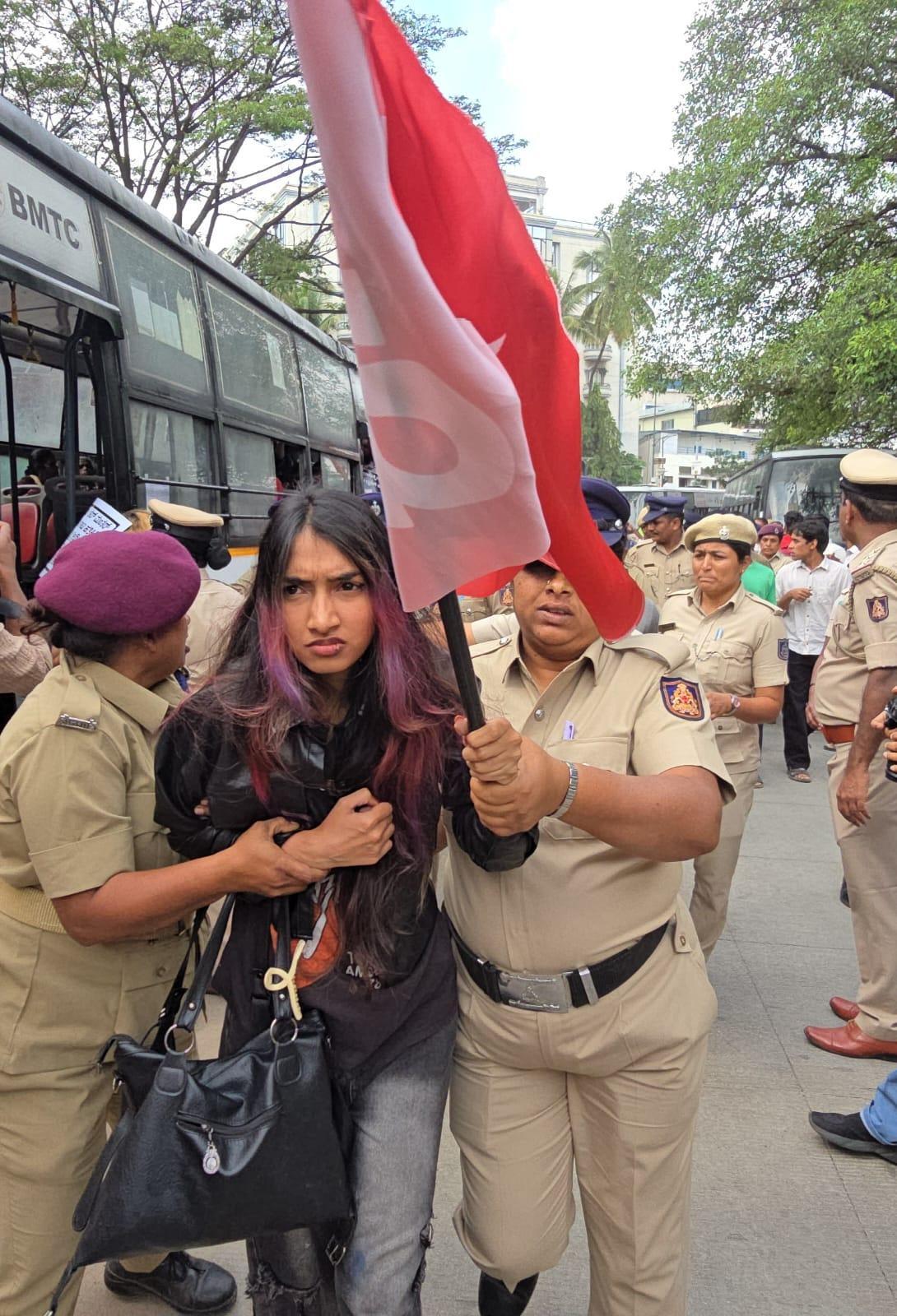
The protests in Bengaluru against government curbs on public demonstrations represent a concrete rupture in the city's civic . The protesters' accusation of hypocrisy stems from the perceived inconsistency between the government's rhetoric of openness and its actions in restricting the right to assemble. This confrontation underscores the delicate balance between maintaining public order and protecting fundamental democratic rights, a balance that is increasingly difficult to maintain in a rapidly urbanizing and politically charged environment.
The underlying tension in this issue reflects the broader challenge of managing civic dissent in a democracy. The government's curbs are likely motivated by a desire to maintain stability and prevent disruptions, but they risk alienating a segment of the population that feels its voice is being silenced. This situation is exacerbated by the city's status as a hub for technology and innovation, where freedom of expression is a core value. The protesters' actions are a direct challenge to the state's authority and a demand for greater transparency and accountability.
The downstream consequences of this confrontation could be significant for Bengaluru's political and social climate. If the government maintains its curbs, it could lead to further protests and a deepening of the divide between the state and its citizens. This could also impact the city's reputation as a progressive and open society, potentially affecting its attractiveness to investors and talent. The situation highlights the need for a more nuanced approach to managing public dissent, one that balances the need for order with the protection of fundamental rights.
Comments 0