Cargo Logjam at Mumbai Airport Forces Nine Airlines to Halt Freighter Operations
Nine airlines have suspended freighter operations at Mumbai's Navi Mumbai International Airport due to a severe cargo backlog. This disruption highlights critical infrastructure bottlenecks that are beginning to impact global supply chains and trade efficiency.
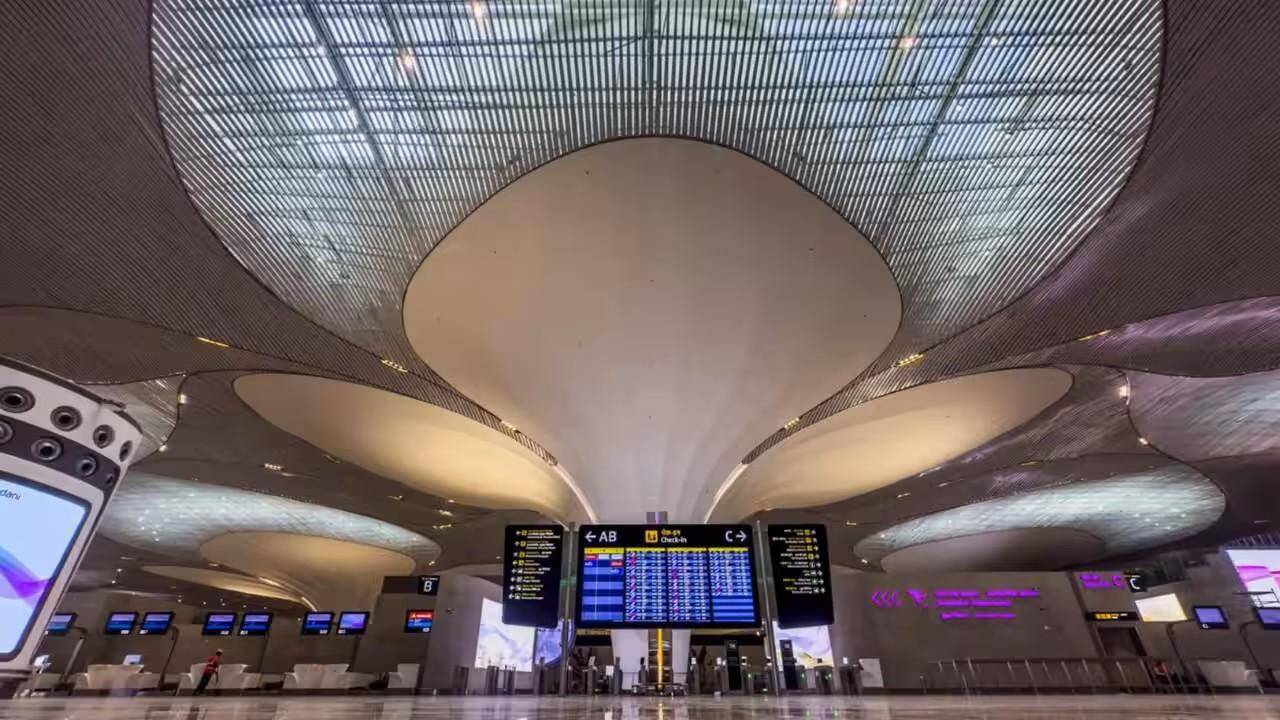
A significant operational crisis has emerged at the Navi Mumbai International Airport, where nine airlines have been forced to suspend their freighter operations. The halt is a direct response to a massive logjam of cargo that has overwhelmed the airport's handling capacity. This disruption is not merely a logistical inconvenience but a serious threat to the flow of goods, particularly for time-sensitive industries that rely on air freight to maintain their supply chains.
The root of this tension lies in the rapid growth of air cargo demand, which has outpaced the development of necessary infrastructure and handling protocols at the new airport. The inability to process incoming and outgoing shipments efficiently has created a bottleneck that affects not only the airlines but also the shippers and recipients of goods. This institutional friction between growing commercial activity and static infrastructure is a common challenge for emerging hubs, but its severity here has reached a critical tipping point.
The immediate casualty of this logjam is the reliability of air cargo services, which may lead to increased costs and delays for businesses across the region. The tangible outcome will be a forced reassessment of airport operations, potentially leading to investments in additional handling facilities or a redistribution of cargo to other airports. This event serves as a stark reminder of the fragility of modern logistics networks and the need for proactive infrastructure planning to support economic growth.
Comments 0