Bengaluru Water Board Jurisdiction Expands Dramatically Amid Sewage Treatment Concerns
The Bengaluru Water Supply and Sewerage Board expanded its administrative footprint by more than two thousand square kilometers to oversee regional water distribution. The massive territorial expansion comes amidst mounting criticism over inadequate sewage treatment infrastructure and worsening urban ecology.
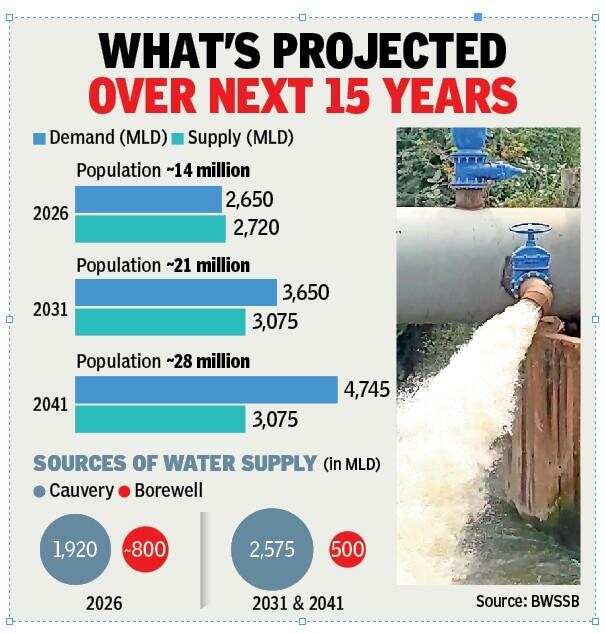
The Bengaluru Water Supply and Sewerage Board officially expanded its administrative jurisdiction by 2,196 square kilometers, dramatically widening its operational authority over peripheral urban zones. The ambitious territorial expansion is intended to streamline regional bulk water distribution and manage long-term infrastructure planning across the fast-growing metropolitan fringe. However, the decision arrives at a moment of acute ecological stress, with citizen groups and urban planners pointing to massive deficits in existing sewage treatment facilities. The immediate pressure on utility managers is immense as newly annexed regions demand clean pipe connections while central lakes remain polluted by untreated urban effluent.
This administrative expansion underscores severe institutional friction between rapid suburban real estate growth and municipal capacity to deliver basic environmental utilities. Expanding jurisdiction over vast rural-urban hinterlands requires thousands of kilometers of new pipeline networks, high-capacity pumping stations, and massive capital expenditures that state agencies struggle to finance. Meanwhile, existing treatment plants frequently operate under capacity or lack secondary filtration mechanisms, discharging millions of liters of untreated waste into natural catchments daily. Urban researchers argue that expanding geographic boundaries without resolving systemic waste management deficits risks compounding ecological degradation across peripheral aquatic systems.
The practical fallout of this expansion will force structural budget reallocations and heightened municipal tariff adjustments across newly integrated Bengaluru zones. Residents in peripheral neighborhoods face long wait times for formal water connections, even as municipal authorities prioritize trunk line construction and sewage treatment plant upgrades. Real estate developers in expanding corridors must navigate stricter compliance regimes for environmental clearance and waste disposal. Ultimately, the utility's ability to secure institutional funding for waste treatment infrastructure will determine whether this massive spatial expansion delivers urban resilience or accelerates regional ecological breakdown.
Comments 0