Mumbai's Energy Exodus: Tata's Rise Forces BEST to Confront a 80,000-Consumer Deficit
A panel member has warned that BEST is losing 80,000 power consumers to Tata, a shift that threatens the municipal utility's financial stability. This exodus highlights the growing inefficiency of state-run utilities and the market's preference for private sector reliability in India's largest financial hub.
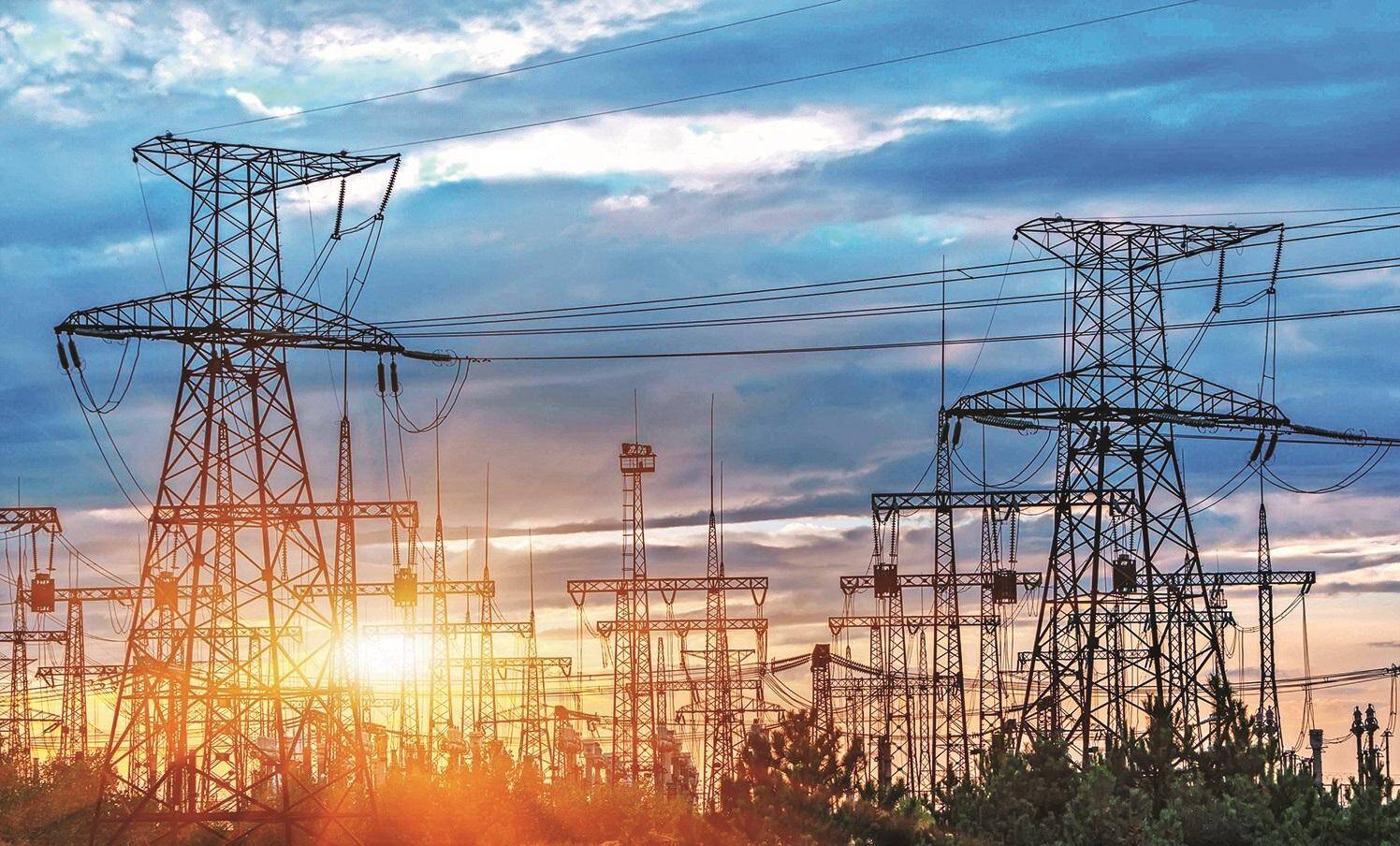
The concrete rupture in Mumbai's energy sector is quantified by the loss of 80,000 consumers to Tata Power. This is not a marginal shift but a significant drain on the Bombay Electricity Supply Trust, the state-run utility that has long held a monopoly over the city's power distribution. The panel member's warning is a direct acknowledgment that BEST is failing to retain customers in a market where choice is now a reality. The loss of this many accounts represents a substantial hit to revenue, which is already strained by the high costs of infrastructure maintenance and the need for modernization. The exodus is a clear vote of no confidence in the public utility's ability to deliver consistent service.
The underlying tension is the structural inefficiency of state-run utilities in the face of agile private competitors. Tata Power has positioned itself as a more responsive and reliable provider, leveraging better customer service and potentially more stable supply chains. BEST, on the other hand, is hampered by bureaucratic inertia and political interference, which slow down decision-making and infrastructure upgrades. This friction is not new, but the scale of the consumer shift makes it impossible to ignore. The state is now forced to confront the reality that its monopoly is eroding, and that the market is punishing inefficiency with its feet.
The downstream casualties are the ratepayers who remain with BEST. As the utility loses revenue from the 80,000 defectors, it may be forced to raise tariffs for the remaining customers to cover its fixed costs. This creates a vicious cycle where higher prices drive more consumers away, further straining the utility's finances. The tangible outcome is a fragmented energy market in Mumbai, where the quality of service is now directly linked to the consumer's choice of provider. For the state, this is a wake-up call that the era of guaranteed public utility dominance is over, and that survival now depends on competitive performance.
Comments 0