Bengaluru’s Untreated Sewage Crisis: A Half-Managed Backlog
Despite a pipeline of 45 new treatment plants, half of Bengaluru’s sewage remains untreated, posing a severe threat to the city’s water bodies and public health. This gap between planned infrastructure and operational reality underscores the city’s struggle to manage its rapid growth.
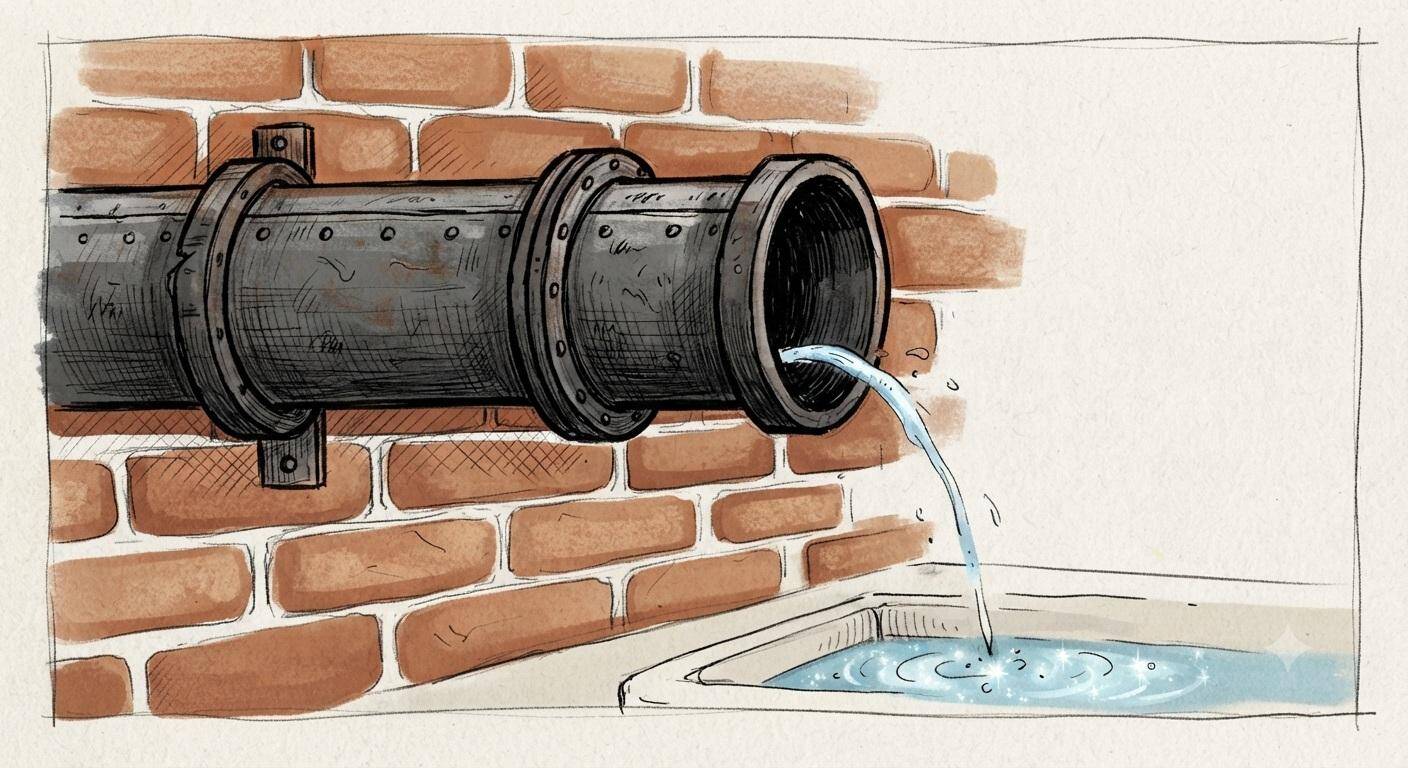
The concrete rupture is the stark statistic that half of the city’s sewage is still being discharged without treatment. This is not a minor oversight but a systemic failure that has environmental and public health implications. The existence of 45 treatment plants in the pipeline offers a glimmer of hope, but the current reality is one of persistent pollution. The untreated sewage flows into the city’s lakes and rivers, degrading the water quality and threatening the ecological balance of the region. This situation reflects the difficulty of scaling infrastructure to match the pace of urbanization in India’s tech capital.
The underlying tension lies in the gap between planning and execution. The pipeline of new plants indicates a long-term strategy, but the immediate backlog suggests that the current infrastructure is insufficient to handle the city’s waste. This is a common challenge in rapidly growing Indian cities, where the demand for services outstrips the supply. The delay in commissioning new plants is often due to land acquisition issues, funding constraints, and bureaucratic hurdles. The result is a city that is simultaneously building its future while struggling to manage its present.
The downstream casualties are the residents who live near the affected water bodies and the environment itself. The untreated sewage contributes to the degradation of Bengaluru’s lakes, which are already under stress from urbanization and pollution. This has public health implications, as contaminated water can lead to the spread of waterborne diseases. The tangible outcome is a city that must continue to invest heavily in sewage treatment infrastructure while also managing the immediate environmental and health risks posed by the current backlog.
Comments 0