Bhagwant Mann Defies Centre as High Court Clears France Trip
Chandigarh Chief Minister Bhagwant Mann has publicly challenged the central government's authority after the High Court permitted his travel to France, framing the dispute as a test of state autonomy. The legal victory has intensified the constitutional standoff between the state and the Union, with Mann accusing the Centre of political intimidation.
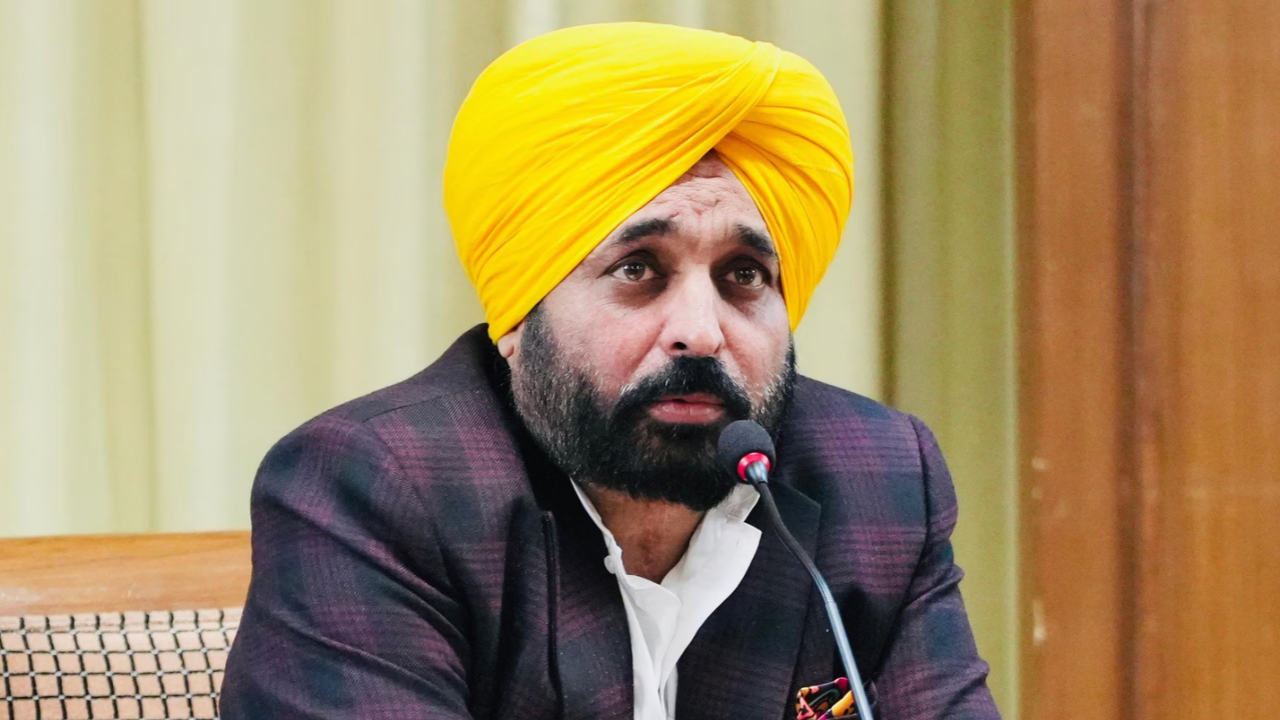
The High Court's decision to clear Chandigarh Chief Minister Bhagwant Mann for his trip to France has turned a routine travel authorization into a high-stakes constitutional battle. Mann's public outburst, questioning whether the Centre is afraid of him, signals a refusal to back down in the face of what he perceives as political interference. This legal clearance is not just a personal victory for the CM but a symbolic assertion of state sovereignty against the central government's attempts to curtail his movements, a tactic that has become increasingly common in India's federal dynamics.
The friction between the state and the Union is rooted in a broader pattern of political centralization, where the central government often uses administrative and legal tools to check the power of opposition-led states. Mann's government views the Centre's actions as an attempt to destabilize its rule, while the Union sees the CM's defiance as a challenge to national security and diplomatic protocol. This institutional friction is exacerbated by the lack of clear legal precedents for such inter-state disputes, leaving the courts to navigate a complex web of political and constitutional implications.
The tangible outcome of this standoff is a further polarization of political discourse in India. Mann's defiance has energized his supporters and framed the issue as a fight for democratic rights, while the Centre's stance has been portrayed by critics as authoritarian. This dynamic is likely to spill over into other states with opposition governments, setting a precedent for how state leaders will respond to central interference. The legal and political battles that follow will shape the future of federalism in India, with significant implications for the balance of power between the Union and the states.
Comments 0