Punjab High Court Orders Chief Secretary to Disclose Power Subsidy Details
The Punjab and Haryana High Court has ordered the Chief Secretary to file an affidavit in a public interest litigation concerning unpaid power subsidies owed to the Punjab State Power Corporation Limited. The ruling forces the state administration to disclose financial details, exposing potential misallocation of subsidies and prompting scrutiny of power sector governance.
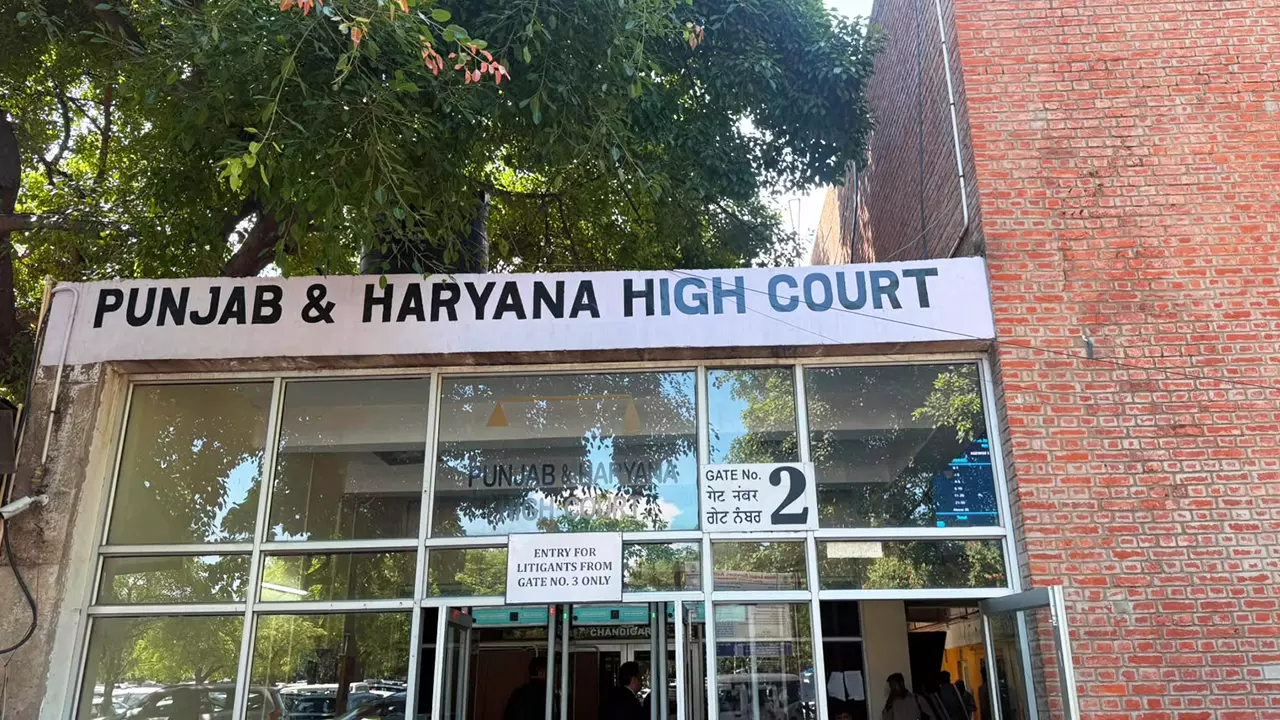
Punjab’s power sector has long been a battleground for fiscal discipline and consumer protection. The Punjab State Power Corporation Limited (PSPCL) has faced accusations of misappropriating subsidy funds intended to keep electricity rates affordable for its millions of customers. The public interest litigation filed in the Punjab and Haryana High Court sought to expose these alleged irregularities and demanded transparency in the allocation of state subsidies. By ordering the Chief Secretary to submit an affidavit, the court has forced the administration to confront the financial gaps that have plagued the sector for years.
Administrative friction intensified as the Chief Secretary’s office struggled to reconcile the court’s demand with internal budgetary constraints. The affidavit required a detailed audit of subsidy disbursements, a task that exposed discrepancies between reported expenditures and actual outlays. The High Court’s intervention has amplified pressure on the state machinery, compelling senior officials to reassess their accounting practices. This legal scrutiny has also heightened the political stakes, as opposition parties use the findings to challenge the ruling government’s stewardship of public funds.
The fallout from the ruling reverberates across Punjab’s energy market. Consumers may experience a recalibration of tariff structures as the state seeks to close subsidy gaps, potentially leading to higher electricity costs for households and industries. Meanwhile, the scrutiny could prompt a restructuring of subsidy allocation mechanisms, reducing fiscal leakage and improving accountability. The case also sets a precedent for other states to examine their subsidy frameworks, potentially reshaping the national discourse on power sector governance.
Comments 0