Bihar Achieves Near Total Paddy Coverage Despite Severe Monsoonal Deficits
Agricultural authorities in Bihar confirmed that paddy cultivation has reached ninety-nine percent of its target despite widespread rainfall deficiencies. Widespread deployment of localized irrigation infrastructure prevented what could have been a catastrophic agrarian shortfall.
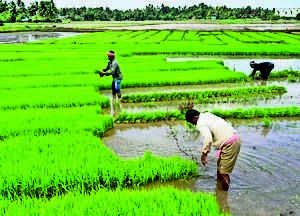
Farmers across Bihar defied adverse meteorological forecasts by achieving near-complete paddy coverage despite an alarming seasonal rain deficit. The resilience displayed by the state agricultural sector stems from aggressive public investments in deep tube-well networks and canal modernization projects over recent fiscal cycles. When monsoon showers failed to materialize on schedule, agrarian communities pivoted swiftly toward groundwater extraction and diesel pump subsidies to safeguard their nurseries. The administrative machinery played a role in mitigating the crisis by ensuring timely distribution of subsidized power and certified drought-resistant seed varieties. Agricultural extension officers worked directly with district cooperatives to optimize water management techniques, preventing excessive wastage in thirsty alluvial soils. This concerted administrative and community effort averted severe economic distress for millions of smallholder farming families. The successful harvest stabilization protects rural purchasing power and curbs inflationary pressures on staple food grains across national markets. However, the heavy reliance on groundwater extraction to offset monsoonal failure raises long-term sustainability concerns for the state's subterranean aquifers, demanding structural shifts toward micro-irrigation.
Comments 0