Bihar Deputy Chief Minister Samrat Choudhary Pledges Full Salary to Flood Victims
Bihar Deputy Chief Minister Samrat Choudhary has donated an entire month of his official salary to state flood relief funds while defending Chief Minister Nitish Kumar against coalition friction rumors. The announcement aims to project administrative unity and swift disaster response amid ongoing seasonal inundations.
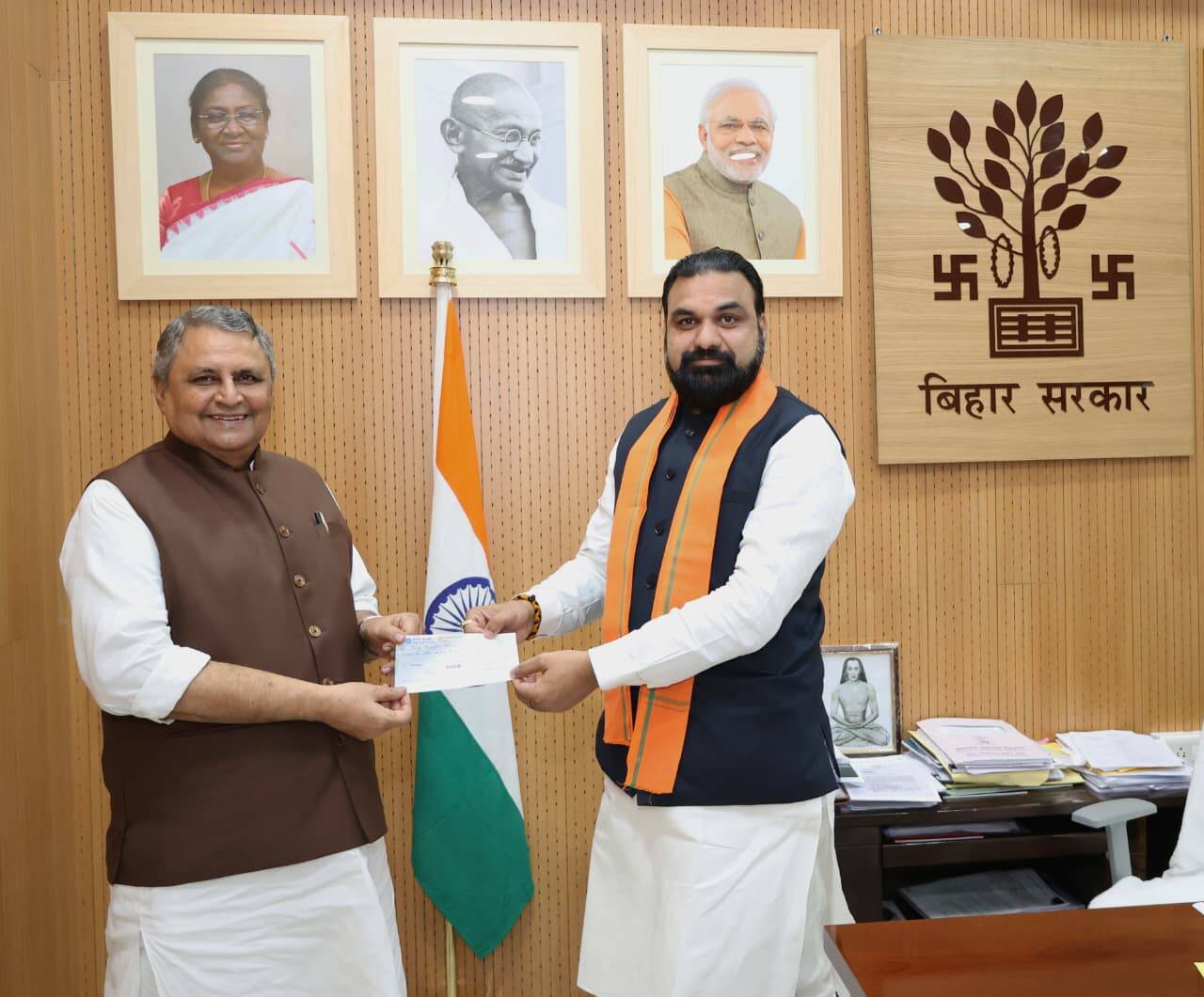
Severe seasonal flooding across North Bihar has displaced hundreds of thousands of residents, straining district disaster management machinery and destroying rural livelihoods. By publicly contributing his salary, Choudhary sought to signal personal solidarity with affected populations while simultaneously dampening political speculation regarding friction between alliance partners. The gesture attempts to project proactive governance in the face of perennial infrastructure vulnerabilities. Beneath the surface of political bonhomie, intense competition persists within the state ruling coalition over portfolio distribution and disaster relief fund allocations. Opposition parties continue to hammer the administration over inadequate embankment maintenance and delayed relief distribution in remote rural constituencies. This perpetual crisis management cycle diverts vital capital away from long-term flood mitigation infrastructure. The immediate outcome is the rapid mobilization of emergency relief camps across vulnerable districts, though long-term rehabilitation prospects remain bleak for marginal farmers. Fiscal resources will be heavily redirected toward immediate humanitarian aid, freezing planned capital expenditures in urban centers. Over the coming year, public pressure will mount on state planners to invest in Dutch-style drainage models rather than recurring temporary embankments.
Comments 0