Bihar Expands Emergency Ambulance Network Through App‑Based Aggregators
The state government approved a partnership with digital platforms to broaden ambulance availability, targeting faster response in rural districts. The move is poised to cut mortality rates and reshape the private‑public health logistics market.
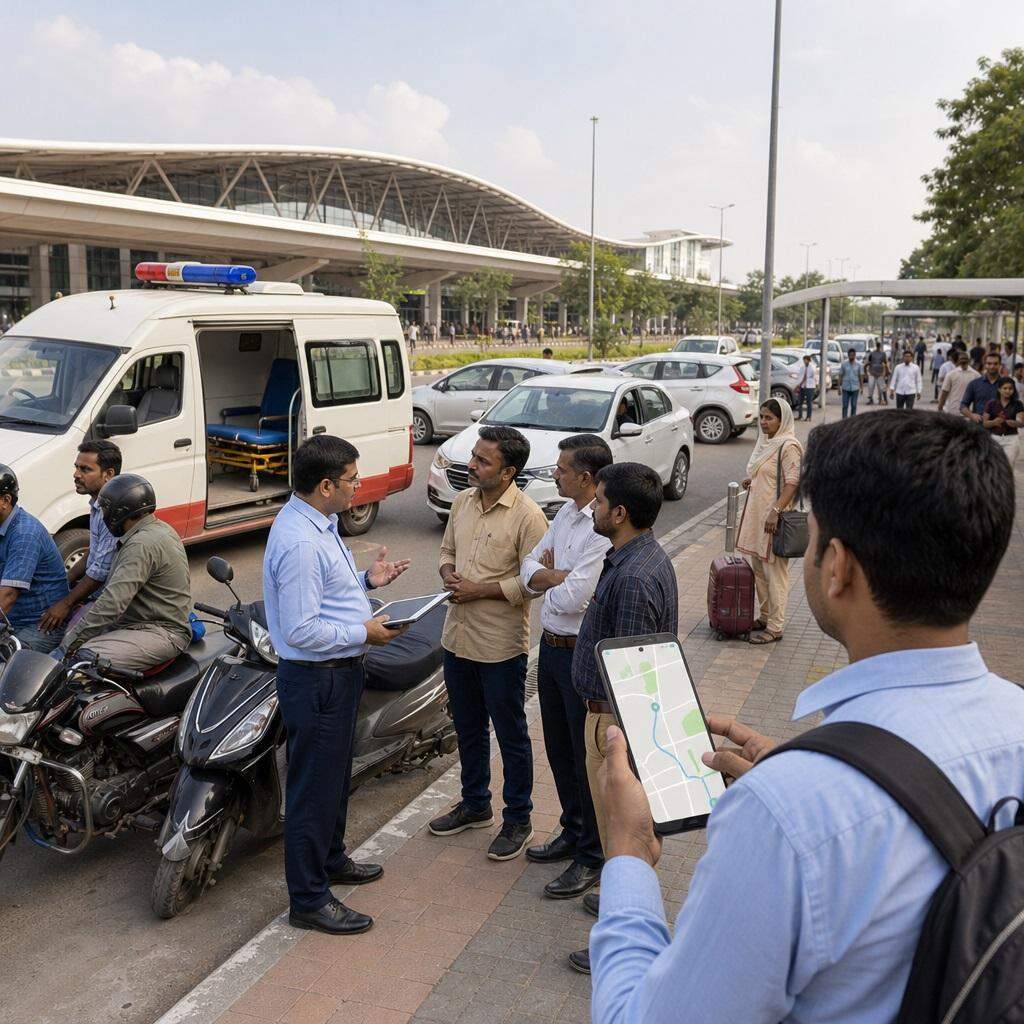
The concrete rupture was signalled by a press release from the Bihar Health Department announcing that the state would integrate app‑based aggregators into its emergency medical services framework. Under the new scheme, private operators will be contracted to provide ambulances that can be summoned via a unified mobile application, extending coverage to remote villages that previously suffered from delayed response times. Initial rollout in three districts showed a 30 % reduction in average arrival time for critical cases.
Underlying tension stems from longstanding gaps in Bihar's healthcare infrastructure, where insufficient government fleets and poor road connectivity have contributed to high preventable death rates. By leveraging the efficiency of digital platforms, the administration hopes to overcome logistical bottlenecks while also creating a regulated market for private ambulance providers. Critics caution that without stringent oversight, quality of care could vary, prompting the need for robust monitoring mechanisms.
The downstream casualties of continued inadequacy would have been further loss of life and erosion of public trust in state services. Conversely, the expanded network promises to lower mortality from road accidents, cardiac events, and obstetric emergencies, while also stimulating a nascent sector of health‑tech entrepreneurship. Over the next twelve months the model is expected to be replicated in additional districts, potentially setting a benchmark for other Indian states grappling with similar challenges.
Comments 0