Bihar Government Disburses Rs 1,205 Crore to Over One Crore Pensioners
The Bihar chief minister ordered the transfer of more than twelve hundred crore rupees to over ten million pension beneficiaries, aiming to alleviate financial distress among the elderly. The massive payout underscores the state's commitment to social welfare amid fiscal constraints. Officials said the disbursement was executed through direct bank transfers, reducing leakages and ensuring timely receipt of funds. Critics, however, warn that the outflow could strain the state's budget, limiting resources for infrastructure projects. The immediate effect is an increase in disposable income for pensioners, likely boosting local consumption and providing a modest stimulus to the regional economy.
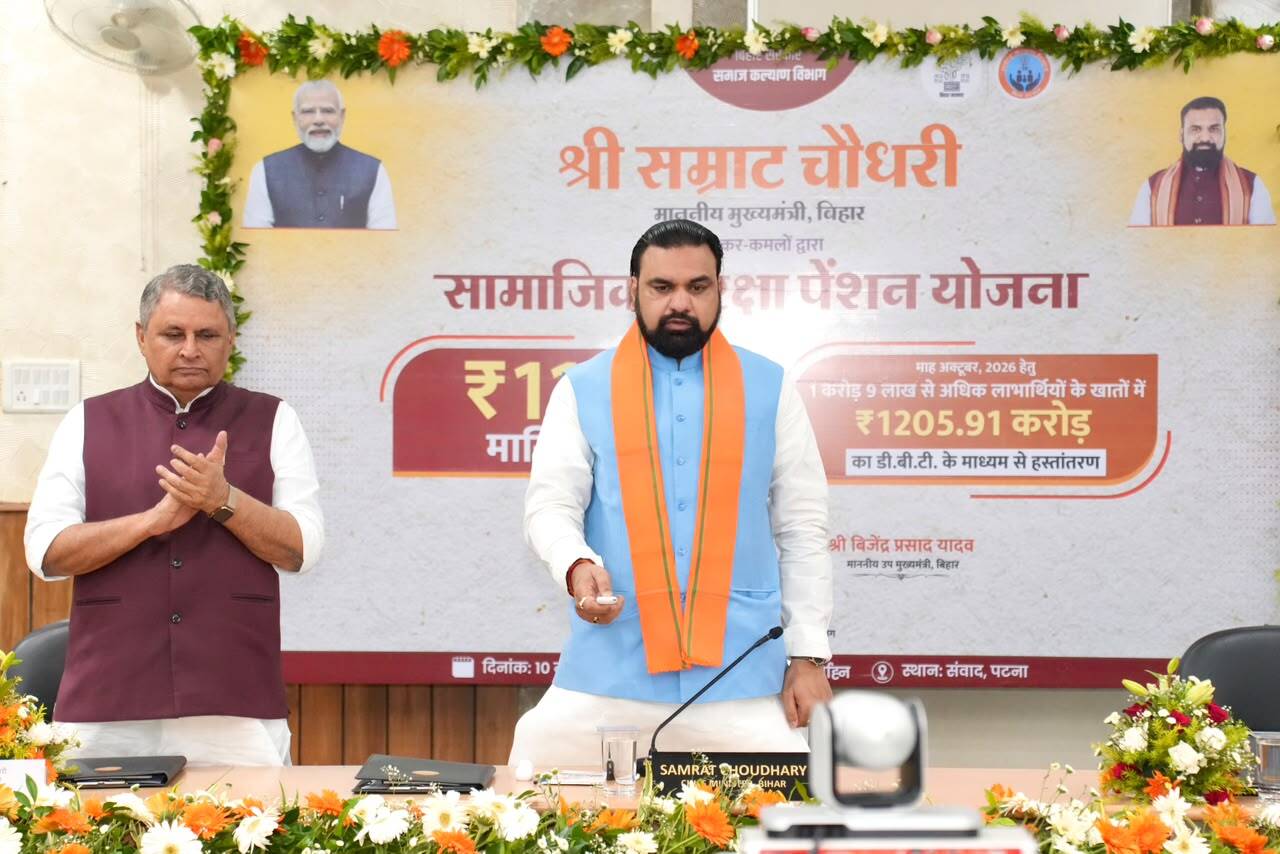
The state’s finance department reported that the cash infusion was processed through a digitised platform, linking pensioner records with bank accounts to minimise administrative delays. By leveraging the Direct Benefit Transfer system, Bihar aimed to cut down on traditional paper‑based mechanisms that often suffered from errors and corruption. The move was timed to coincide with the onset of winter, a period when many senior citizens face heightened expenditure on health and heating.
Underlying tensions revolve around the fiscal sustainability of such largescale welfare schemes. Bihar, already grappling with a modest revenue base, must balance its social commitments against the need for capital investment in roads, schools, and power infrastructure. Opposition parties have questioned whether the pension outlay could be financed without resorting to additional borrowing, which might elevate the state's debt burden and affect its credit rating.
The downstream consequences are likely to be felt across the local economy. With an influx of cash, pensioners are expected to increase spending on essential goods, thereby providing a short‑term boost to retail and small‑scale traders. At the same time, the heightened fiscal pressure may compel the state to postpone or scale back certain development projects, potentially slowing long‑term growth prospects unless alternative revenue streams are identified.
Comments 0