Bihar's Chhath Puja Infrastructure Raises Questions on State Capacity and Public Safety
The Bihar government's plan to use German hangar pandals for Chhath Puja has sparked debate over the adequacy of public infrastructure for large-scale religious events. The decision highlights the state's efforts to modernize its approach to managing festivals, but also raises concerns about safety and cost-effectiveness.
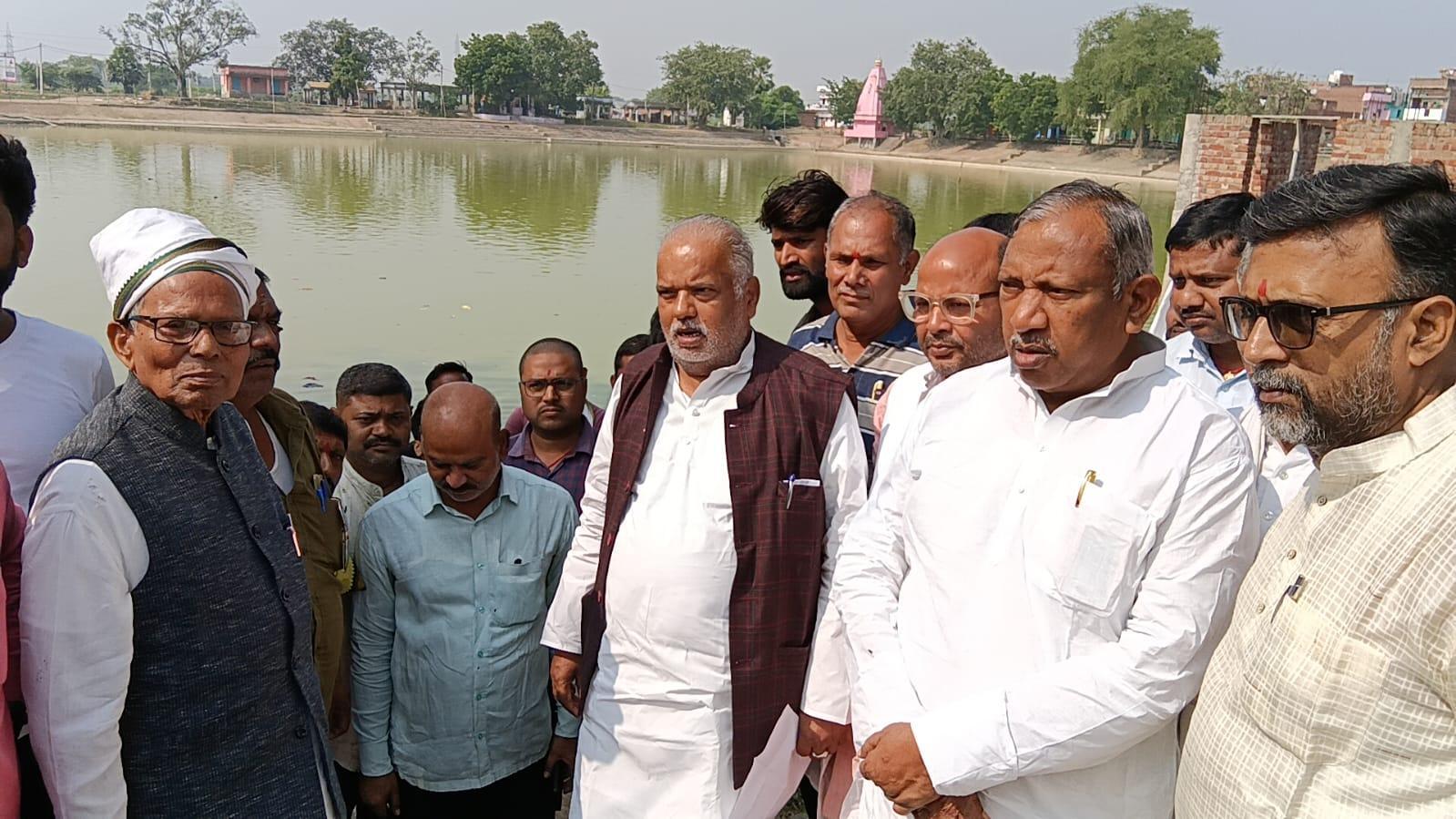
The announcement that the Bihar government will use German hangar pandals for the Chhath Puja festival marks a concrete rupture in the traditional approach to managing large-scale religious events. This decision, while intended to improve safety and comfort for devotees, has sparked debate over the allocation of public resources and the adequacy of existing infrastructure. The immediate shockwave is a mix of anticipation and skepticism, with some praising the modernization effort and others questioning the necessity and cost-effectiveness of the new structures. This move reflects a broader trend in Indian state governance, where the use of advanced technology and infrastructure is seen as a way to project efficiency and progress.
The underlying tension in this decision stems from the friction between the need to accommodate the growing number of devotees and the limited resources available for public infrastructure. The use of German hangar pandals is a response to the challenges posed by the scale of the festival, which attracts millions of participants and requires significant logistical support. This friction is exacerbated by the historical lack of investment in public infrastructure for religious events, which has often led to safety concerns and poor conditions for devotees. The result is a situation where the state is forced to make quick, often expensive, decisions to address immediate needs, without a long-term strategy for infrastructure development.
The downstream casualties of this approach are the taxpayers, who bear the cost of these temporary structures, and the environment, which may be impacted by the construction and disposal of the pandals. The tangible outcome is a shift in the way religious events are managed in Bihar, with a greater emphasis on safety and modernization. The 12-month structural consequence is likely to be a replication of this model in other states and for other festivals, leading to a standardization of infrastructure for large-scale public events. This trend may also influence the way other governments approach the management of public spaces and events, prioritizing safety and efficiency over tradition and cost.
Comments 0