Waller’s hawkish pivot signals a potential half-point hike in December
Federal Reserve Governor Chris Waller has introduced the possibility of a half-point interest rate increase for December, contingent on upcoming consumer price data. This shift in rhetoric from the Fed’s leadership suggests a renewed commitment to combating inflation, which could significantly alter global market expectations and capital flows.
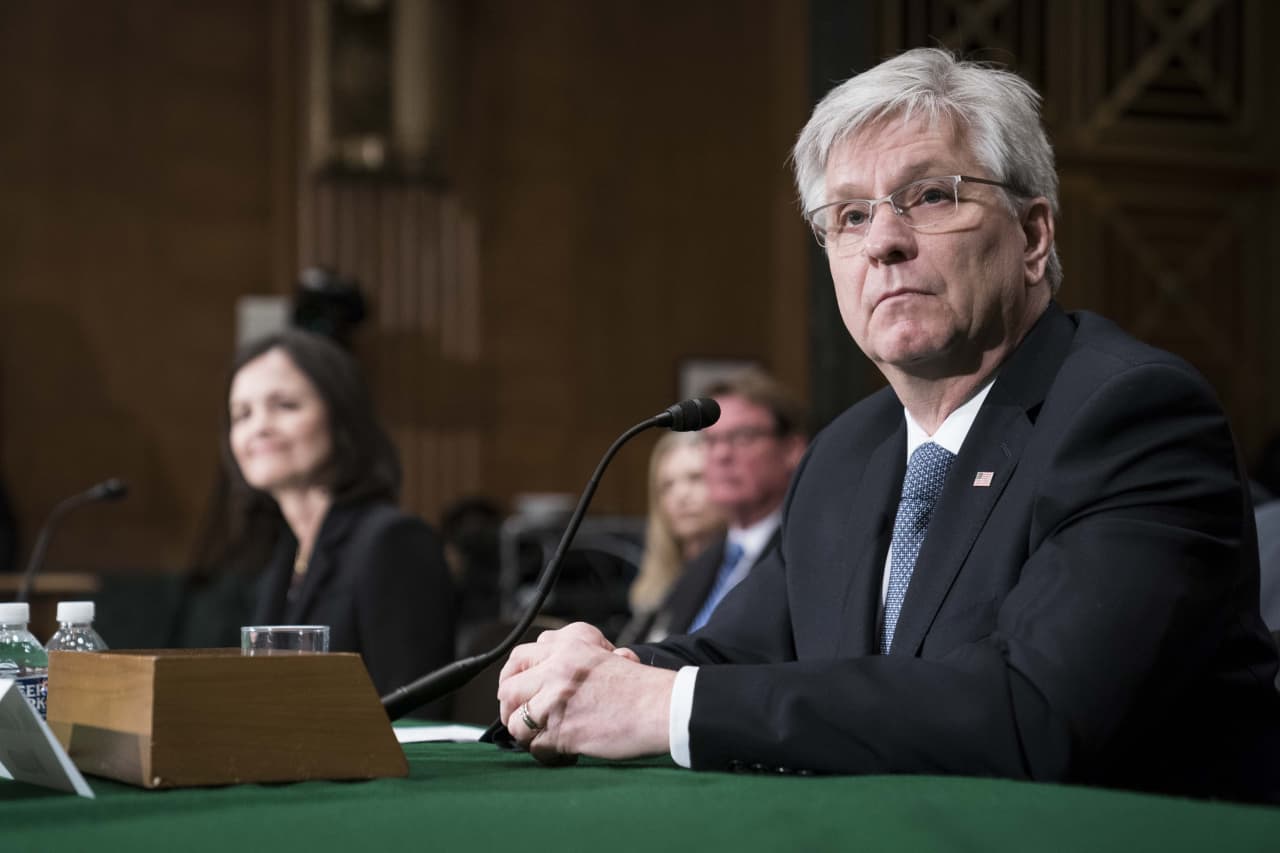
The concrete rupture in this financial narrative is the explicit mention of a half-point rate hike by a key Fed official, a move that deviates from the more gradualist approach previously anticipated by many market participants. This statement serves as a direct signal to investors that the central bank is prepared to tighten monetary policy more aggressively if inflationary pressures persist. The immediate shockwave is a reassessment of risk assets, as higher interest rates typically increase the cost of borrowing and reduce the valuation of growth-oriented stocks, thereby influencing global investment strategies.
The underlying tension lies in the Fed’s dual mandate of maximizing employment and stabilizing prices, with the current environment forcing a difficult trade-off between these objectives. Institutional friction arises as market participants struggle to interpret the signals from different Fed officials, leading to volatility in bond and equity markets. This friction is compounded by the uncertainty surrounding the upcoming inflation data, which will determine whether the hawkish stance is maintained or moderated. The divergence in views within the Fed highlights the complexity of navigating an economy that is still recovering from previous shocks while facing new inflationary pressures.
The downstream casualties of a potential rate hike include increased financial stress for highly leveraged companies and consumers, particularly in sectors sensitive to interest rate changes such as real estate and technology. The tangible outcome is a likely contraction in credit availability, which could slow economic growth and impact employment levels. For emerging markets, including India, a stronger dollar and higher global interest rates may lead to capital outflows and currency depreciation, necessitating a careful balancing act by domestic central banks to maintain stability while supporting economic growth.
Comments 0