Bihar’s Infrastructure Leap: PM Unveils Nitish Setu and Rs 60,000 Crore Project Suite
The Prime Minister is set to inaugurate the Nitish Setu and launch a portfolio of development projects valued at Rs 60,000 crore in Bihar. This massive infusion of capital aims to reshape the state's economic geography, positioning it as a critical node in India's eastern industrial corridor.
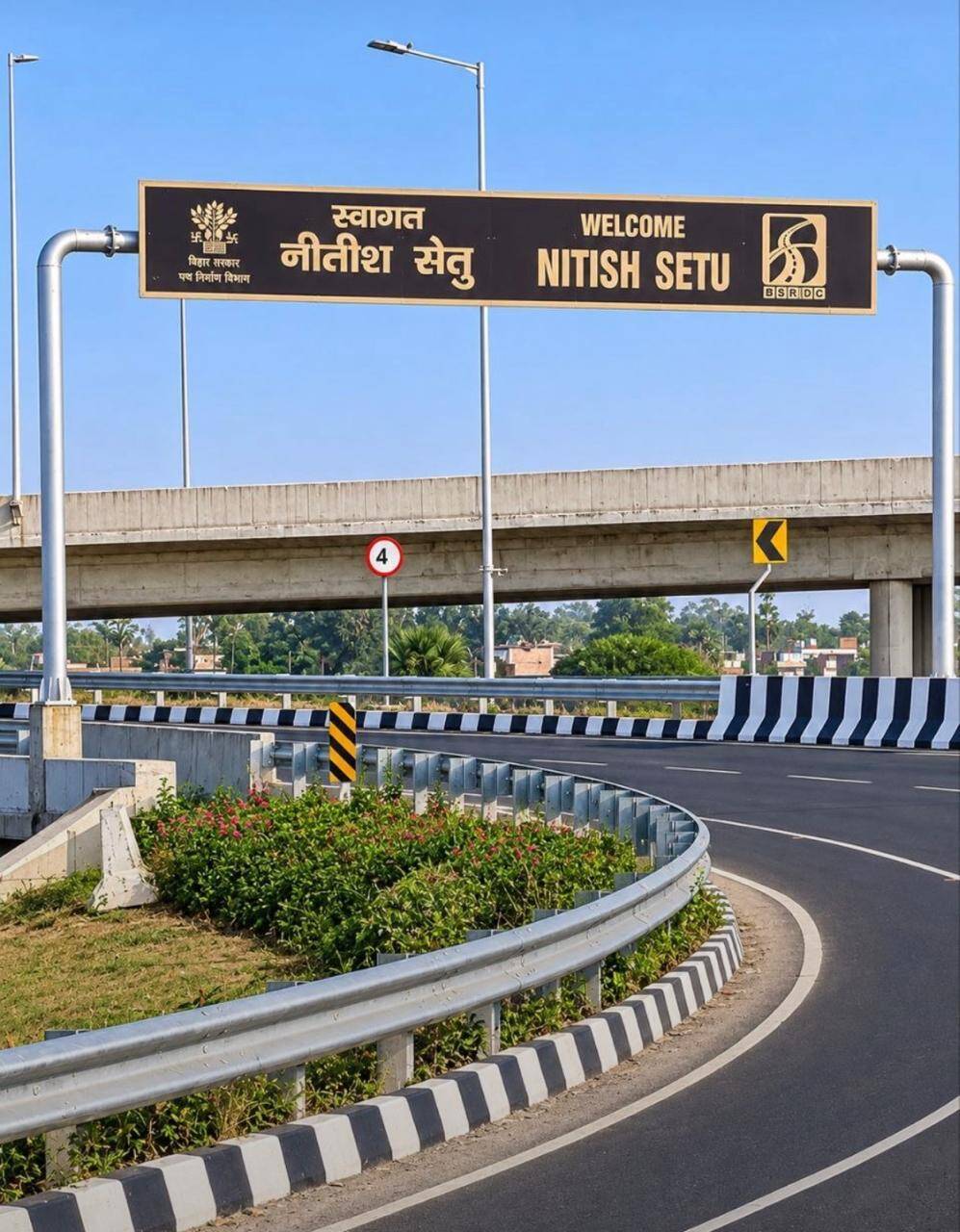
The concrete rupture in Bihar's developmental trajectory is marked by the simultaneous inauguration of the Nitish Setu and the launch of projects worth Rs 60,000 crore. This is not merely a ceremonial event but a strategic deployment of state and central resources to bridge the infrastructural gap that has historically held the state back. The Nitish Setu, a critical piece of connectivity, will reduce transit times and lower logistics costs for industries in the region, directly impacting the cost of goods and the competitiveness of local manufacturers. The scale of the investment signals a decisive shift in policy focus, moving from mere political consolidation to tangible economic engineering.
The underlying tension in this move is the race to capture the demographic dividend of Bihar, one of India's most populous states. The institutional friction arises from the need to align central government priorities with state-level execution, ensuring that the funds are deployed efficiently and without significant leakage. The government faces the challenge of transforming a labor-rich but capital-poor state into a production hub, which requires not just infrastructure but also skill development and industrial policy. The political stakes are high, as the success of these projects will be a key metric for the ruling coalition's performance in the upcoming electoral cycle, making the execution as politically charged as the announcement.
The tangible outcome will be a restructuring of Bihar's economic map, with new industrial clusters emerging around the newly connected zones. The immediate beneficiaries will be the logistics sector, manufacturing units, and the local workforce, who will see an increase in employment opportunities and wages. However, the downstream impact will also include environmental and social adjustments, as the rapid industrialization may strain local resources and displace communities. The long-term consequence is a potential shift in the center of economic gravity in eastern India, with Bihar emerging as a key player in the national supply chain, thereby altering the balance of power between states in the region.
Comments 0