Historic Superpower Summit Yields Promises Yet Little Concrete Progress
Leaders of the United States, China and Russia convened on the sidelines of APEC in Shenzhen, delivering modest agreements on trade and climate while leaving core strategic disputes untouched. The limited outcomes have sparked skepticism about the summit’s long‑term relevance.
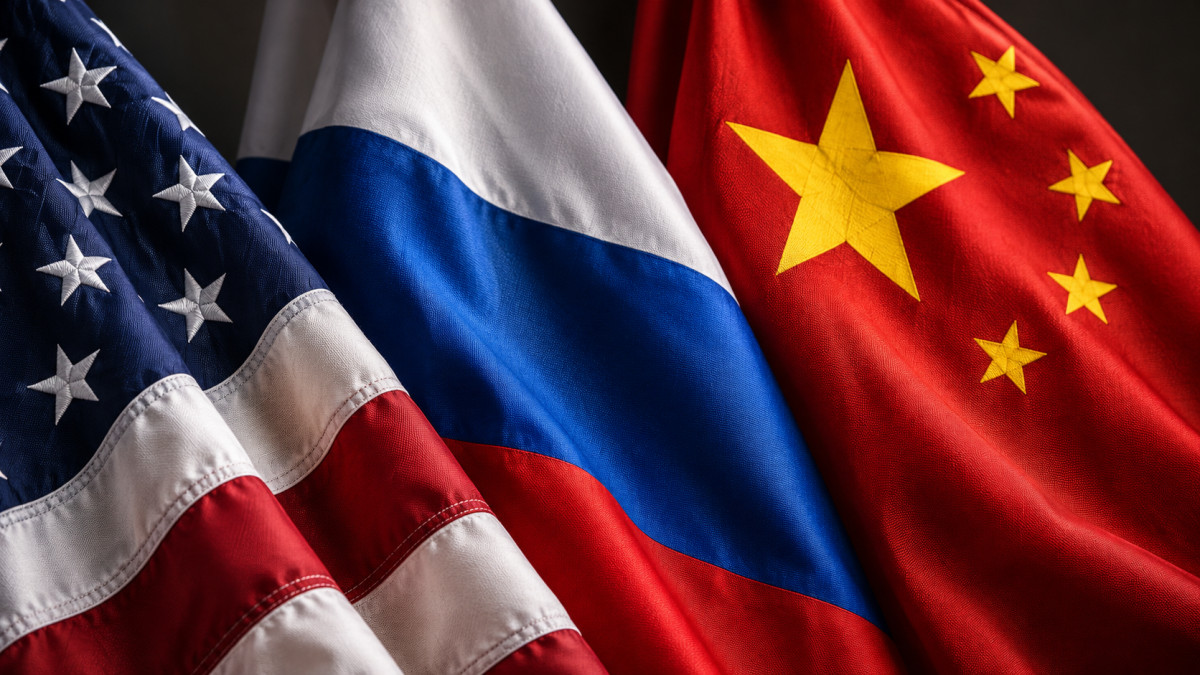
The three heads of state, President Donald Trump, President Xi Jinping and President Vladimir Putin, met in Shenzhen during the APEC gathering, each presenting a list of initiatives aimed at easing bilateral tensions. Joint statements highlighted a willingness to cooperate on pandemic preparedness, limited trade facilitation measures, and a vague commitment to climate dialogue. However, the language remained non‑binding, and no substantive mechanisms were established to enforce the pledges.
Underlying the summit was a palpable friction among the powers, each seeking to assert dominance while avoiding direct confrontation. The United States pressed for greater market access for its technology firms, China emphasized respect for sovereignty in the South China Sea, and Russia sought security guarantees in Eastern Europe. The diplomatic choreography revealed a delicate balance where each nation guarded core interests, resulting in a series of polite overtures rather than decisive policy shifts.
The immediate impact includes a modest uptick in market confidence, reflected in short‑term stabilization of certain commodity prices. Yet analysts warn that without enforceable agreements, the summit’s legacy may be limited to symbolic reassurance. Over the next twelve months, the lack of concrete frameworks could lead to renewed competitive posturing, especially in emerging technologies and regional influence, potentially reshaping global alliances.
Comments 0