Bihar's Mushroom Economy Signals a Shift in Agricultural Value Chains
Bihar has emerged as a leader in mushroom production, with a strategic pivot toward high value varieties to enhance farmer incomes. This agricultural transformation is reshaping the state's economic profile and offering a model for sustainable rural development.
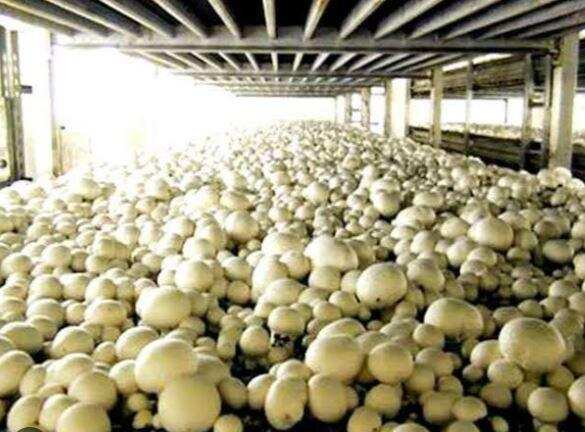
Bihar, a state long associated with subsistence farming and economic challenges, is quietly undergoing an agricultural revolution in the mushroom sector. The state has not only become a leading producer but is also shifting its focus from low value commodity mushrooms to high value varieties, a move that promises to significantly boost the incomes of small and marginal farmers. This shift is not merely a change in crop choice but a fundamental reorientation of the agricultural value chain, moving from raw material production to value added processing and branding.
The underlying tension in this transition is the need for technical expertise, cold chain infrastructure, and market access, which are often lacking in rural Bihar. The institutional friction arises from the gap between the government's policy intent and the on ground realities of farmer organizations who must navigate complex supply chains. The success of this model depends on the ability to create a robust ecosystem that supports farmers from cultivation to sale, a task that requires coordination between multiple government departments and private sector players.
The downstream outcome of this agricultural shift is a more resilient rural economy that is less dependent on monsoon rains and more integrated into the national and global food markets. The winners are the farmers who can access these new value chains and the state government, which can point to a successful model of rural industrialization. The casualties, however, are the traditional agricultural practices that are being displaced, and the farmers who are unable to adapt to the new requirements of the market. This case study offers a blueprint for other states looking to diversify their agricultural base and improve rural livelihoods.
Comments 0