Bihar's Political Equation: Rohini Acharya's Call for Opposition Unity
Rohini Acharya has argued that the BJP's success in Bihar is a direct result of a fragmented opposition, and that a unified front led by Tejashwi Yadav and Prashant Kishor could defeat the ruling party. This strategic assessment highlights the critical importance of coalition building in the state's upcoming electoral contest.
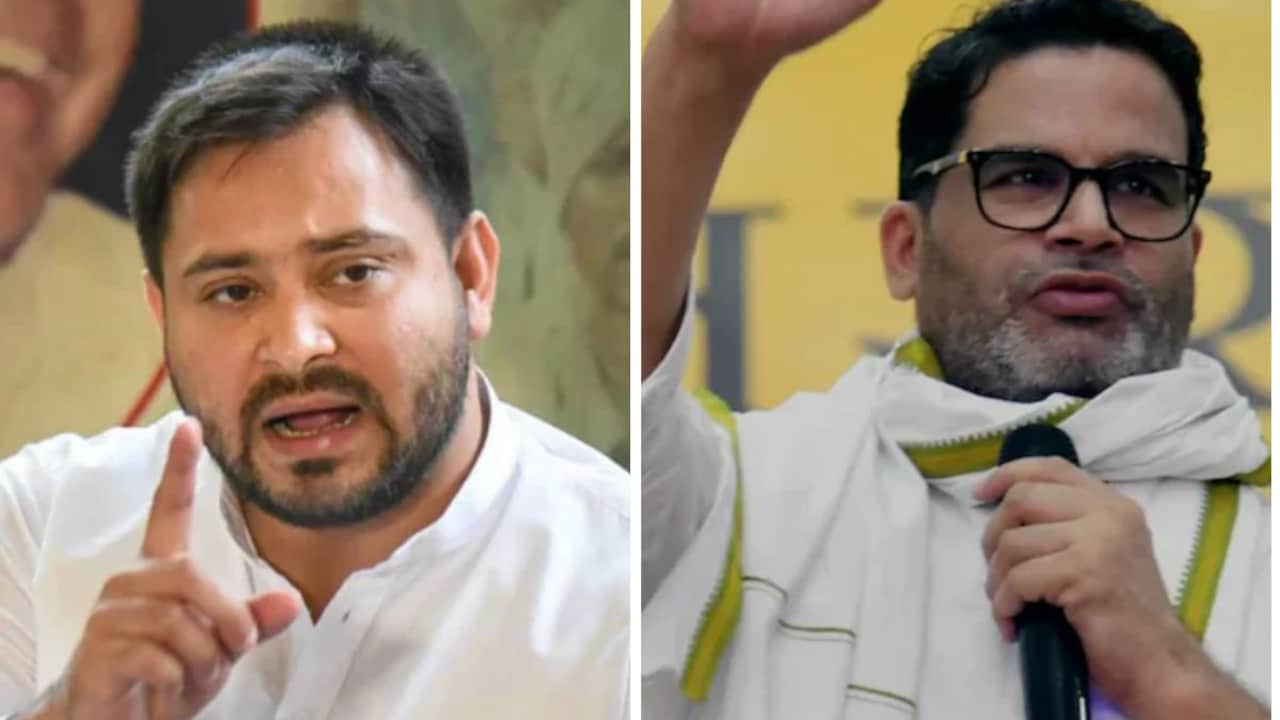
Rohini Acharya's recent analysis of Bihar's political dynamics has placed the spotlight on the necessity of opposition unity as a prerequisite for defeating the BJP. By identifying the fragmentation of the opposition as the key factor behind the BJP's continued dominance, Acharya underscores the strategic vulnerability of the current political . The proposed equation of Tejashwi Yadav and Prashant Kishor represents an attempt to bridge the ideological and personal divides within the opposition, creating a cohesive front that can effectively challenge the ruling party. This move is not merely a tactical adjustment but a fundamental rethinking of how the opposition can compete in a state where the BJP has a strong organizational presence.
The underlying tension in Bihar's politics is the deep-seated rivalry between the major opposition parties, which has historically prevented them from forming a stable coalition. The BJP has benefited from this division, often playing one party against the other to maintain its hold on power. The current push for unity is a response to the growing realization that individual parties cannot defeat the BJP on their own. However, the friction between the parties is significant, with differences in ideology, leadership style, and electoral strategy making cooperation challenging. The success of this new equation will depend on the ability of the leaders to overcome these differences and present a united front to the voters.
The downstream consequence of a successful opposition unity in Bihar would be a significant shift in the state's political balance, potentially ending the BJP's long-standing dominance. This would have ripple effects across other states, where the opposition is also struggling to form effective coalitions. The success of the Yadav-Kishor equation would demonstrate that unity is possible and effective, inspiring similar efforts in other regions. However, if the unity fails, the BJP is likely to consolidate its position further, making it even more difficult for the opposition to challenge its rule in the future.
Comments 0