Bihar's Rural Health Crisis: Only 1 in 10 Women Complete Iron Course
A new study reveals that only 10 percent of rural women in Bihar complete the prescribed iron supplementation course, highlighting a critical gap in public health delivery. This failure has severe implications for maternal health and the long-term well-being of the state's population.
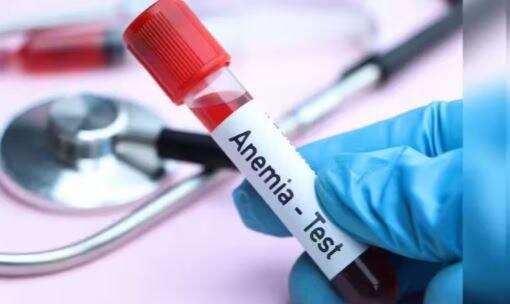
The study's findings are a stark reminder of the challenges facing public health systems in rural India, where access to basic healthcare services is often limited. The low completion rate of the iron course suggests a breakdown in the delivery of essential health services, which could be due to a lack of awareness, logistical challenges, or a lack of trust in the health system. The consequences of this failure are significant, with potential implications for maternal mortality, infant health, and the overall well-being of the population. The study highlights the need for a more effective and responsive public health system that can address the specific needs of rural communities.
The underlying tension is between the government's commitment to improving public health and the realities of delivering services in a vast and diverse country. Bihar, like many other states in India, faces significant challenges in terms of infrastructure, human resources, and funding. The study's findings suggest that the current approach to public health delivery is not working, and that a new strategy is needed. This could involve a greater focus on community-based health workers, the use of technology to improve service delivery, and a more targeted approach to addressing the specific needs of different populations.
The downstream consequences of this public health failure are significant, with potential implications for the state's economic development and social stability. The high rate of anemia among women can lead to reduced productivity, increased healthcare costs, and a higher burden of disease. The tangible outcome is a need for urgent action to address the gaps in public health delivery, which will require a sustained commitment from the government and other stakeholders. The next few years will be critical in determining whether Bihar can turn around its public health performance and improve the well-being of its population.
Comments 0