Bihar’s Water Resources Department Declares No Imminent Flood Danger
The state’s Water Resources Department announced that current river levels and monsoon forecasts do not pose a major flood risk for Bihar this season. The reassurance has steadied agricultural markets and eased emergency preparedness expenditures.
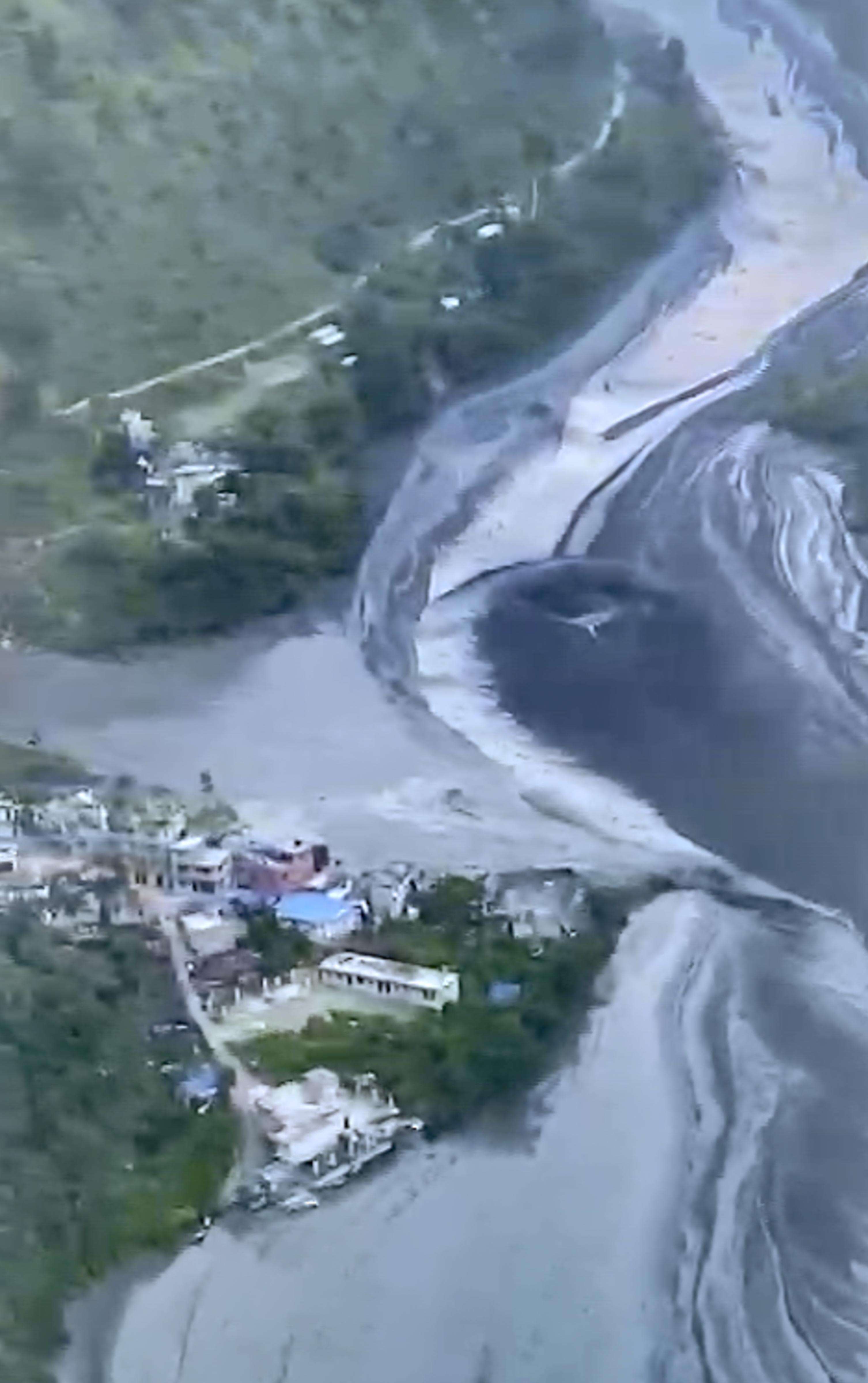
The Water Resources Department of Bihar issued a statement on Tuesday affirming that the current water levels in the Ganges and its tributaries do not indicate a major flood threat for the upcoming monsoon season, citing recent rainfall data and reservoir capacities. Officials emphasized that the department’s continuous monitoring has shown a stable trend, allowing agricultural planners to proceed with sowing schedules without the need for emergency evacuations. The announcement was made during a press conference in Patna, where senior engineers presented satellite imagery and hydrological models to support their assessment.
This reassurance comes after a series of severe floods in neighboring states earlier this year, which had heightened anxiety among farmers and local businesses reliant on riverine transport. State authorities have invested in embankment reinforcement and early‑warning systems over the past twelve months, measures that they claim have contributed to the current stability. However, some local activists caution that climate variability could still pose unforeseen challenges, urging the department to maintain vigilance and ensure that relief funds remain accessible should conditions deteriorate.
The declaration of low flood risk is expected to stabilise commodity prices for rice and wheat, as traders anticipate an uninterrupted harvest season. It also allows the state government to redirect resources that would have been allocated for emergency response toward development projects such as rural electrification and road upgrades. In the longer term, the confidence expressed by the Water Resources Department may encourage private investment in agribusiness, while also prompting neighboring states to adopt similar monitoring frameworks, potentially influencing regional water management policies over the next year.
Comments 0