Bijnor's transformation under Yogi govt: From agricultural strength to emerging industrial growth
Bijnor district in Uttar Pradesh is shifting from a primarily agricultural economy to an emerging industrial hub under the Yogi Adityanath government. The change is creating new jobs and attracting investment, which matters to readers across India as it reflects broader economic trends.
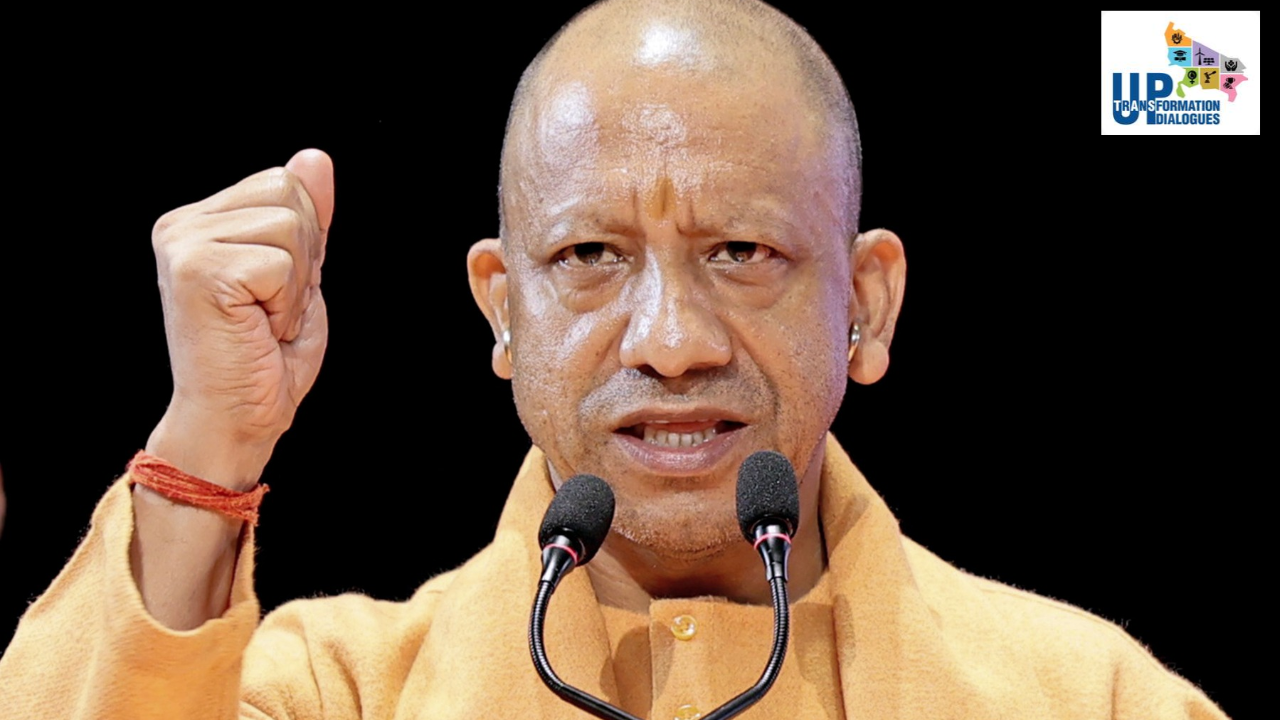
The Yogi Adityanath administration has placed Bijnor at the center of its development agenda, promoting a mix of small‑scale manufacturing and larger industrial projects. Historically known for its fertile fields and high grain output, the district is now seeing the establishment of textile units, food processing plants, and logistics parks. State officials cite incentives such as tax breaks, improved road connectivity, and streamlined land acquisition processes as key drivers of this shift, encouraging entrepreneurs to set up operations in the region.
Local farmers are experiencing a dual impact as some diversify into agro‑based industries while others continue traditional cultivation. Training programs funded by the state aim to equip the rural workforce with skills needed for factory jobs, reducing migration to larger cities. The rise in industrial activity has also prompted upgrades to power supply and water management, addressing long‑standing infrastructure gaps that previously limited large‑scale investment.
For readers across India, Bijnor's transformation illustrates how state‑level policies can reshape local economies and influence national growth patterns. The district's experience may serve as a model for other agrarian regions seeking to balance food security with industrial expansion. Analysts will be watching whether the new jobs translate into sustained income growth and how the environmental impact of increased manufacturing is managed in the coming years.
Comments 0