OPEC+ Faces Pressure as Iraq Seeks Higher Production Quota
Iraq is negotiating with OPEC for permission to produce more oil, arguing that a higher production ceiling is necessary for its energy infrastructure development. This request comes ahead of the upcoming OPEC+ meeting, adding to the pressure on the cartel to maintain its production discipline.
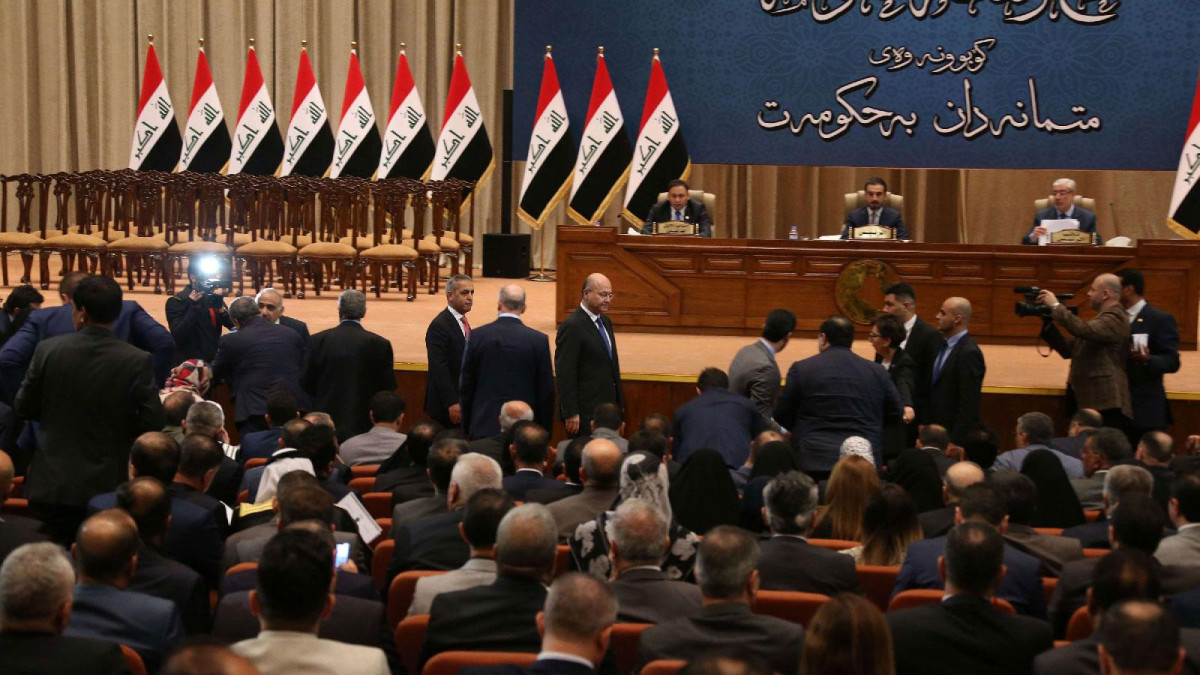
The concrete rupture in OPEC+ dynamics came with Iraq's formal request for a higher production quota. Oil Minister Basim Mohammed Khudair argued that the country needs a higher production ceiling to develop its energy infrastructure, a move that challenges the cartel's commitment to production discipline. This request is not just a national interest; it is a test of OPEC+ 's ability to balance the needs of its member states with the broader goal of stabilizing global oil prices. The immediate shockwave is the potential for internal discord within the cartel, with other members likely to resist any increase in production that could undermine their market share.
The underlying tension in this negotiation is the balance between national economic interests and collective market stability. Iraq, as a major oil producer, has a vested interest in maximizing its output to fund its development projects. However, this ambition conflicts with the OPEC+ strategy of limiting supply to support oil prices. The institutional friction here is between the individual interests of member states and the collective goals of the cartel. This tension is further complicated by the changing global energy , with the rise of renewable energy and the push for decarbonization posing long-term challenges to oil demand.
The downstream casualties of a successful Iraqi bid for a higher quota could be a decline in oil prices, impacting the revenues of other OPEC+ members. The tangible outcome of the negotiation will be a reflection of the cartel's internal cohesion and its ability to adapt to the evolving energy market. This development underscores the need for OPEC+ to develop a more flexible and responsive strategy to address the diverse needs of its member states while maintaining market stability. The success of this negotiation will have significant implications for global energy markets and the economic outlook of oil-producing nations.
Comments 0