BJP MP Counters Musk, Declares Starlink Threatens Security Agencies
In a televised interview, a senior Bharatiya Janata Party parliamentarian refuted Elon Musk's claim that Starlink endangers national security, arguing that the satellite service poses no real risk. The exchange has sparked a parliamentary debate over the regulation of foreign satellite constellations in India.
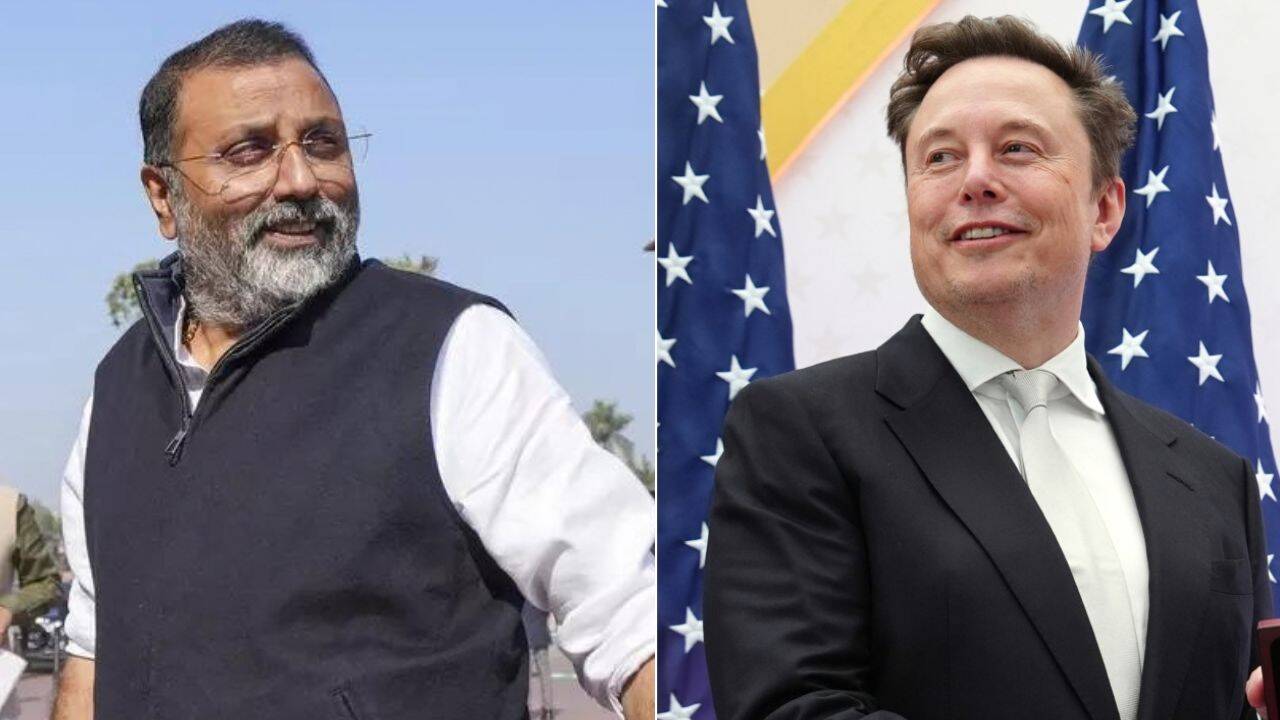
During a recent press conference, Elon Musk suggested that the proliferation of low‑orbit satellite constellations such as Starlink could compromise the operational secrecy of intelligence and defence agencies. The remark quickly reached the corridors of India's Parliament, where Nishikant Dubey, a veteran BJP member, responded with a forceful rebuttal. Dubey asserted that India possesses robust cyber‑defence capabilities and that the presence of commercial broadband satellites does not inherently jeopardise classified communications, emphasizing that existing regulatory frameworks already address potential vulnerabilities.
Dubey's comments have been echoed by several officials in the Ministry of Electronics and Information Technology, who pointed to the country's stringent licensing procedures for satellite services. They noted that any entity seeking to operate within Indian airspace must obtain clearance from the Department of Telecommunications, a process that includes thorough security vetting. Nevertheless, opposition parties have seized upon the debate to demand greater transparency regarding the terms under which foreign satellite operators can provide services to Indian consumers, warning that unchecked access could create loopholes for espionage.
The controversy arrives at a time when the Indian government is drafting new legislation to govern the use of space‑based communication technologies. Stakeholders from the telecom sector, defence analysts, and consumer advocacy groups are all weighing in, each presenting differing perspectives on the balance between technological advancement and national security. The outcome of this policy discussion could set a precedent for how India engages with emerging global satellite networks in the years to come.
Comments 0