Mumbai Deploys Blade‑Battery E‑Buses, Accelerating Clean Transit
Thirty‑eight blade‑battery electric buses arrived in Mumbai, with plans to introduce forty‑nine more within a week, marking a rapid expansion of the city's zero‑emission fleet. The rollout is expected to cut diesel consumption on key routes immediately.
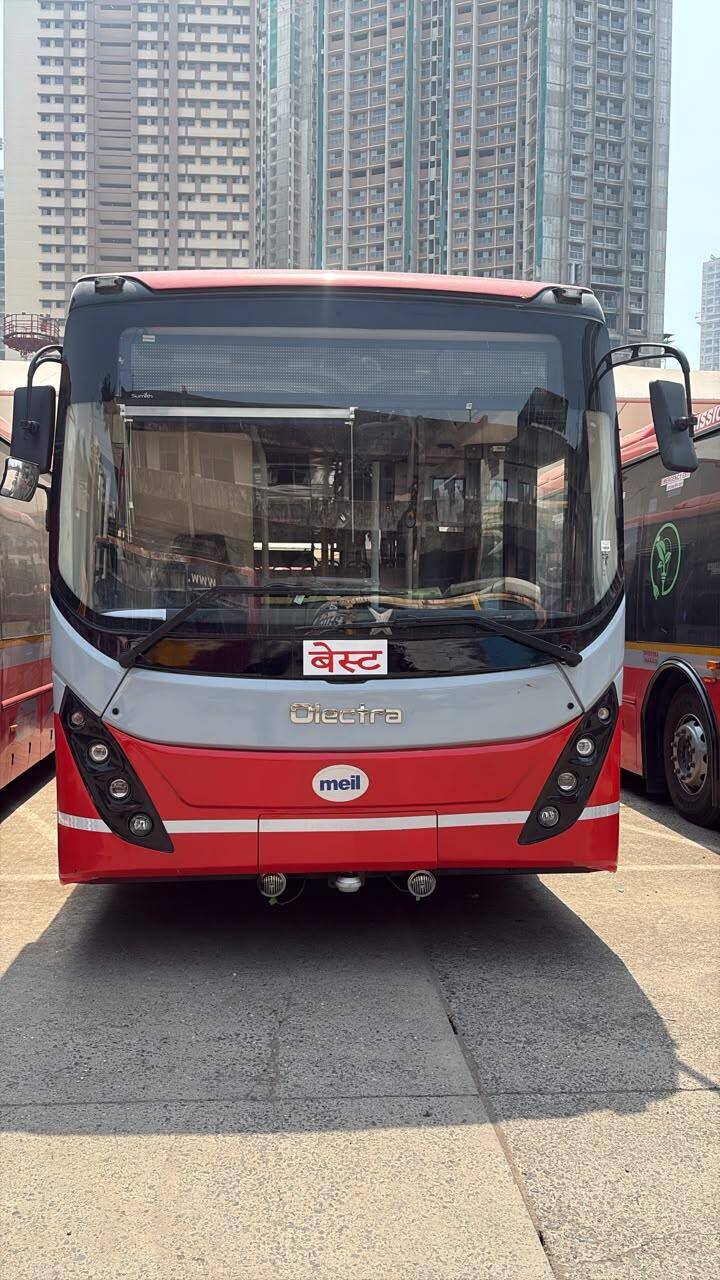
The new e‑buses, equipped with high‑density blade‑type lithium‑ion cells, were delivered to the Brihanmumbai Electric Supply and Transport (BEST) corporation under a public‑private partnership aimed at modernising the city's mass‑transit assets. Officials highlighted the buses' extended range of up to 300 kilometres on a single charge and their reduced charging time, features that enable continuous operation on high‑frequency corridors without extensive depot infrastructure. The deployment coincides with the municipal government's pledge to achieve 50 percent electric public transport by 2030.
Operational planners have mapped the e‑buses onto routes that historically suffered from severe air pollution, such as the Western Express Highway and the bustling Bandra‑Kurla Complex corridor. Early trials indicate a 30 percent reduction in fuel costs and a notable decline in particulate matter concentrations along these arteries. The city has also installed fast‑charging stations at strategic depots, allowing buses to recharge during off‑peak intervals, thereby maximising fleet utilisation.
Environmental analysts project that the swift integration of blade‑battery technology could serve as a catalyst for broader adoption across India's urban centres. The visible reduction in diesel exhaust may encourage private operators to consider similar upgrades, while the demonstrated cost savings could persuade policymakers to allocate additional subsidies for electric vehicle procurement. Over the coming year, Mumbai's e‑bus fleet is poised to become a benchmark for sustainable urban mobility in the subcontinent.
Comments 0