‘Blood clot in brain’: How refusing auto driver’s fare turned fatal for B'luru advocate
A Bengaluru lawyer was found unconscious on the Outer Ring Road and later died in hospital. A post‑mortem showed a brain clot caused by an assault that began over a refused auto‑rickshaw fare.
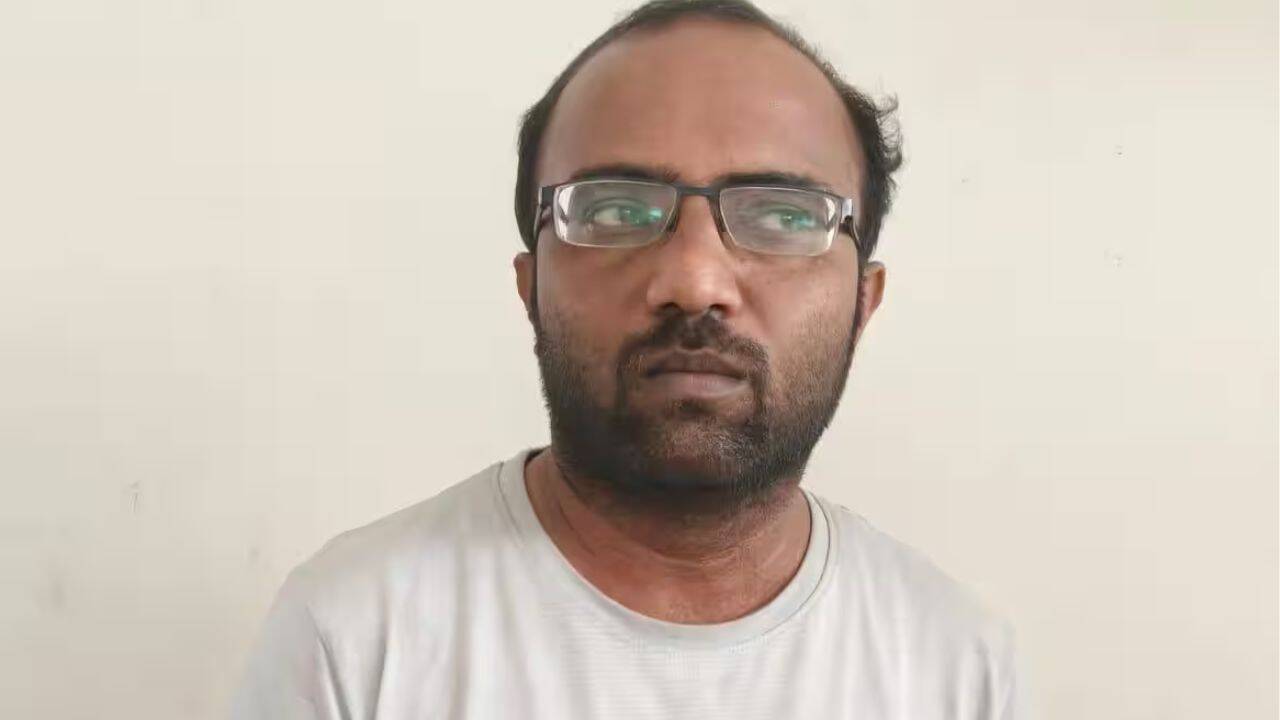
On a quiet evening on Bengaluru's Outer Ring Road, a well‑known advocate was discovered lying unconscious beside the road. Passersby called emergency services, and paramedics rushed him to the nearest hospital where doctors initially suspected a heart attack. The man's condition deteriorated rapidly, and he was pronounced dead within hours of admission. His family, shocked by the sudden loss, raised doubts about the early diagnosis and asked for a thorough investigation.
The family’s request led the hospital to order a post‑mortem examination, which revealed a blood clot in the brain. The medical report indicated that the clot was the result of blunt force trauma to the head, not a natural cardiac event. Further inquiry uncovered that the advocate had been involved in a dispute with an auto‑rickshaw driver who refused to accept the fare he offered. The altercation escalated, and the driver allegedly struck the lawyer, causing the injury that later proved fatal.
The case highlights the growing concerns over road safety and the treatment of professionals in public spaces. It also raises questions about the regulation of auto‑rickshaw services and the mechanisms for resolving fare disputes without violence. For readers across India, the incident serves as a reminder of the need for stronger legal protections for citizens and better conflict‑resolution training for transport workers. Authorities are expected to investigate the driver’s role and consider policy changes to prevent similar tragedies.
Comments 0