Bombay High Court Considers Seizing Rehab Homes Over Repeated Garbage Dumping
The Bombay High Court is hearing a petition to forfeit rehabilitation homes that have repeatedly allowed slum residents to dump waste on public roads, a practice that has strained municipal services. The case highlights the clash between informal settlement policies and urban sanitation mandates.
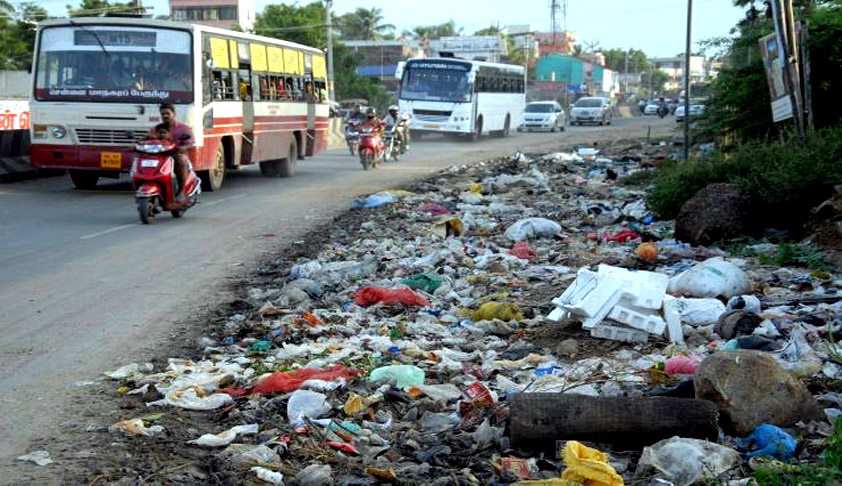
The concrete rupture emerged when the court was presented with evidence that several government‑sanctioned rehabilitation homes in Mumbai have become de facto dumping grounds for household refuse, obstructing thoroughfares and overwhelming waste‑collection crews. Petitioners argue that the homes’ management has neglected their civic duties, prompting the judiciary to contemplate forfeiture as a corrective measure.
Underlying tension lies in the broader struggle to integrate informal settlements into the city’s formal planning framework. Municipal authorities have long wrestled with limited resources, while NGOs advocate for humane relocation strategies. Institutional friction is evident as the state housing department, the municipal corporation, and the judiciary each assert jurisdiction over the rehabilitation scheme, exposing gaps in coordination and accountability.
The downstream impact may involve the displacement of thousands of residents currently housed in the contested facilities, compelling the state to devise alternative accommodation solutions. Additionally, the ruling could set a precedent for stricter enforcement of sanitation standards in future rehabilitation projects, prompting a reevaluation of urban poverty alleviation policies across Maharashtra.
Comments 0