Bombay High Court Orders Internal Audit of Kanjurmarg Waste Facility Amid Citizen Backlash
The Bombay High Court has directed an internal audit of the Kanjurmarg waste facility, responding to widespread concerns over environmental hazards and administrative negligence. The court has also mandated citizen participation in waste segregation, signaling a shift towards community-driven oversight of municipal services.
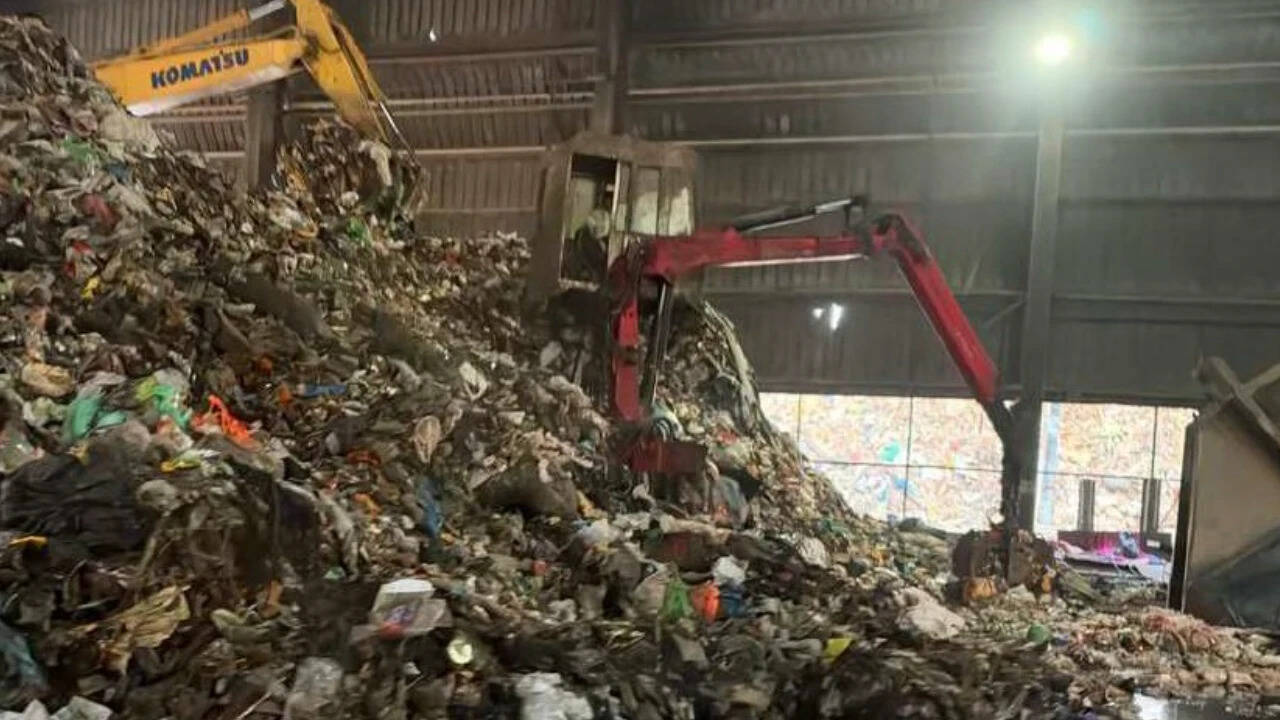
The Bombay High Court's order to conduct an internal audit of the Kanjurmarg waste facility represents a concrete intervention in the ongoing crisis of waste management in Mumbai. The facility, which has been the subject of numerous complaints regarding odor, pollution, and improper disposal, is now under judicial scrutiny. The immediate shockwave of this order is the potential exposure of administrative failures and financial mismanagement within the municipal corporation. The audit will likely reveal the extent to which the facility has been operated in violation of environmental regulations and the degree to which public funds have been misused. This judicial action underscores the court's role as a guardian of public health and environmental integrity in the face of municipal inaction.
The underlying tension in this case is the conflict between the municipal corporation's responsibility to manage waste efficiently and the residents' right to a clean and healthy environment. The Kanjurmarg facility has become a symbol of the city's failure to implement effective waste management solutions, leading to widespread protests and legal challenges. The institutional friction arises from the lack of transparency in the corporation's operations and the absence of meaningful citizen participation in decision-making processes. The court's mandate for citizen participation in waste segregation is a direct response to this gap, aiming to empower residents to take an active role in managing their local environment.
The downstream casualties of the current situation are the residents of Kanjurmarg and surrounding areas, who have been subjected to prolonged exposure to harmful pollutants. The tangible outcome of the audit will be the identification of specific failures and the imposition of corrective measures, including the potential closure or relocation of the facility if it is found to be non-compliant. The long-term impact will be the establishment of a more transparent and accountable waste management system, with greater emphasis on community engagement and environmental sustainability. This case sets a precedent for other cities facing similar challenges, highlighting the importance of judicial oversight and citizen participation in addressing public health issues.
Comments 0