India’s Green Capital Crunch: Mumbai Summit Targets Billions in Funding
A summit in Mumbai is convening to address the massive capital requirements for India’s green transition. The focus on securing both global and domestic funding highlights the financial gap that threatens to stall the nation’s climate commitments.
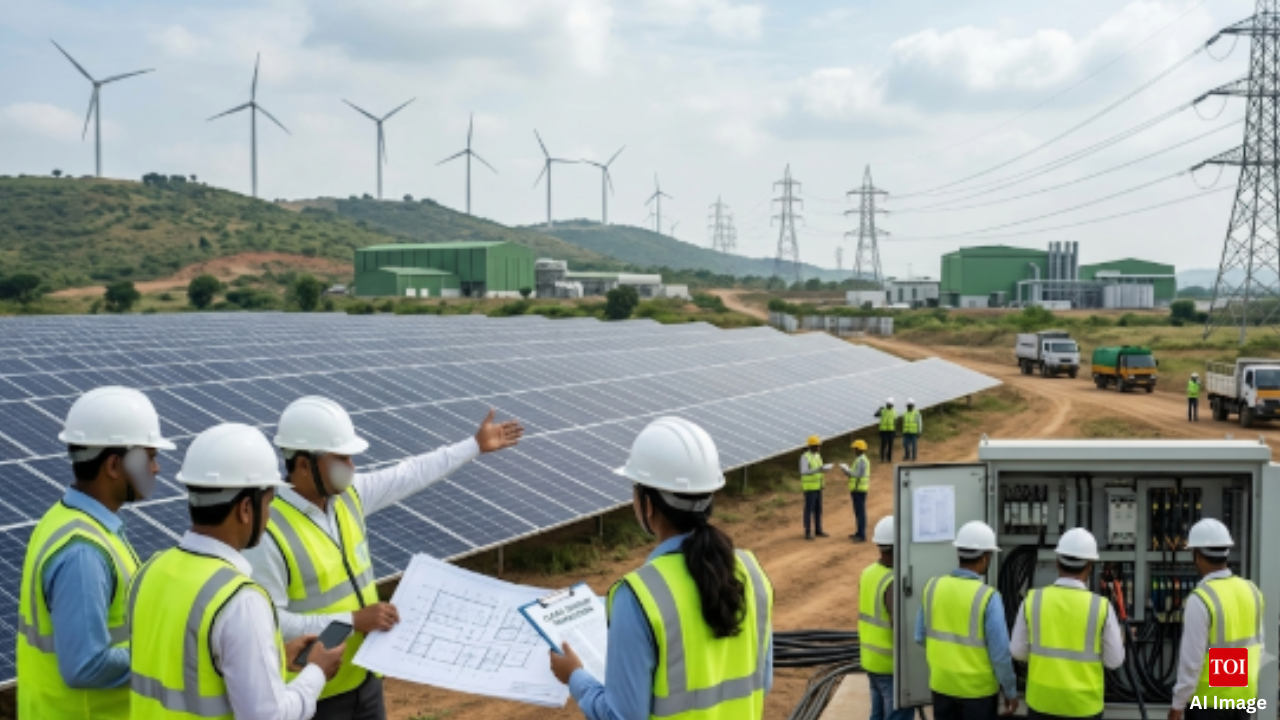
The convening of a summit in Mumbai to explore funding for India’s green transition underscores the critical financial gap that stands between policy ambition and operational reality. The scale of the transition, requiring billions in capital, is a concrete rupture from previous models of incremental environmental improvement. This event signals a recognition that without substantial and sustained investment, the goals of decarbonization and sustainable development will remain aspirational rather than achievable.
The underlying tension is the competition for capital in a global market where climate finance is increasingly politicized and fragmented. India’s need for domestic funding is acute, as reliance on foreign aid or loans can create dependencies and limit policy autonomy. The institutional friction arises from the need to align private sector interests with public climate goals, a challenge that requires innovative financial instruments and regulatory frameworks. This friction is further complicated by the short-term profit motives of investors versus the long-term nature of climate projects.
The downstream consequences of a successful funding strategy would be the acceleration of renewable energy deployment, the creation of green jobs, and the reduction of carbon emissions. However, if the funding gap is not bridged, the tangible outcome is a slowdown in the transition, with continued reliance on fossil fuels and increased vulnerability to climate change impacts. The summit represents a critical juncture where financial decisions will determine the pace and scale of India’s environmental transformation.
Comments 0