Bombay High Court Stays Arbitral Award in Wadala Project Dispute
The Bombay High Court has stayed an arbitral award against MMRDA in favor of Lodha Group, contingent on the authority depositing ₹145 crore. This judicial intervention in a high-profile real estate dispute highlights the complex interplay between public infrastructure projects and private developers in Mumbai.
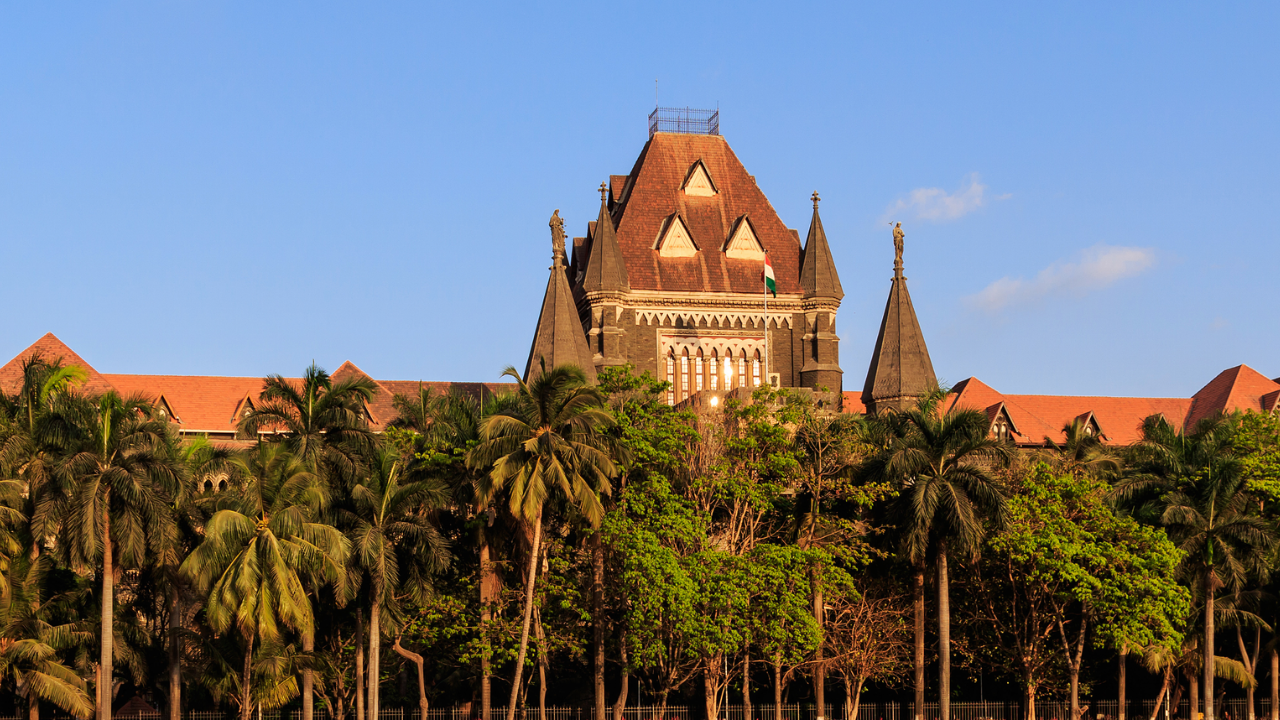
The Bombay High Court has issued a stay on an arbitral award that favored the Lodha Group in a dispute with the Mumbai Metropolitan Region Development Authority (MMRDA) over the Wadala project. The stay is conditional on MMRDA depositing ₹145 crore, a significant sum that reflects the scale of the financial dispute. The concrete rupture here is the judicial intervention in a case that has been contentious for years, with both parties claiming legal and moral superiority. The immediate shockwave is a temporary halt to the project's progress, as the court's order creates uncertainty for all stakeholders involved. This move is a significant check on the arbitral process, which is often seen as a faster and more efficient alternative to litigation.
The underlying tension in this dispute is the conflict between public interest and private profit in urban development. MMRDA, as a public authority, is tasked with delivering infrastructure projects that benefit the city, while Lodha, as a private developer, is driven by the need to maximize returns for its shareholders. The institutional friction here is exacerbated by the lack of clear guidelines on the allocation of risks and rewards in public-private partnerships. The court's decision reflects a careful balancing of these competing interests, with the deposit requirement serving as a safeguard for the public interest. This case highlights the challenges of managing large-scale urban projects in a complex legal and political environment.
The downstream consequences of this stay are likely to be significant for the Wadala project and the broader real estate market in Mumbai. The tangible outcome is a delay in the project's completion, which will affect the timeline for the delivery of housing and infrastructure. The deposit requirement also places a financial burden on MMRDA, which may need to seek additional funding or reallocate resources. The case serves as a reminder of the importance of clear contractual terms and effective dispute resolution mechanisms in public-private partnerships. The court's intervention is a to the role of the judiciary in ensuring that public projects are managed in a fair and transparent manner.
Comments 0