Bombay High Court Upholds Ananya Panday’s Personality Rights, Orders Removal of Infringing Content
The Bombay High Court ruled that the actress Ananya Panday’s personality rights were violated and directed immediate removal of the offending material. The order sent a clear signal to digital platforms and media houses about the enforceability of privacy protections in India.
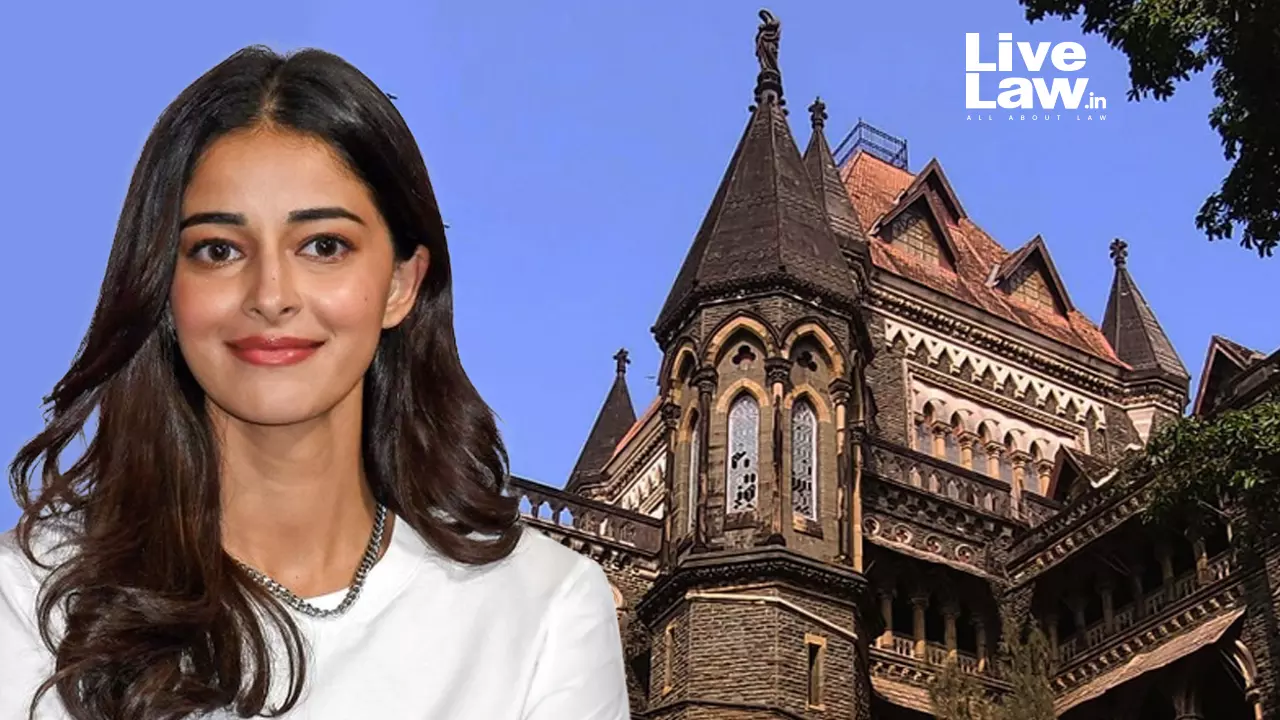
The court’s decision emerged after a petition alleged that online content had appropriated the actress’s likeness without consent, thereby infringing her statutory personality rights. By mandating the swift deletion of the material, the bench not only restored the claimant’s control over her image but also imposed a monetary sanction on the offending parties, underscoring the judiciary’s willingness to intervene in the digital sphere. This concrete rupture of the status quo has already prompted several websites to audit their archives for similar violations, leading to a cascade of takedown notices across the industry.
Underlying this legal clash is a growing tension between celebrity privacy, the unchecked proliferation of user‑generated content, and the nascent framework governing digital rights in India. Media organisations argue that the ruling may stifle creative expression, while privacy advocates contend that the decision fills a long‑standing void in the enforcement of personality rights. The court’s reliance on precedent from earlier privacy judgments highlights an institutional friction that will likely shape future jurisprudence concerning the balance of free speech and personal dignity.
The downstream consequences are already materialising. Newsrooms are revising editorial guidelines to incorporate stricter vetting of visual material, and advertising agencies are renegotiating contracts to include explicit consent clauses. Legal scholars predict a surge in litigation as other public figures seek similar redress, potentially overburdening the courts. Meanwhile, the entertainment industry watches closely, aware that the ruling could recalibrate the power dynamics between talent and media platforms.
Comments 0