Bureaucratic Paralysis Persists Three Months After Fatal Mumbai Manhole Collapse
An investigative panel in Mumbai remains unable to identify municipal negligence or pinpoint accountability three months after a fatal manhole accident. The administrative vacuum highlights deep-seated institutional impunity within urban civic bodies.
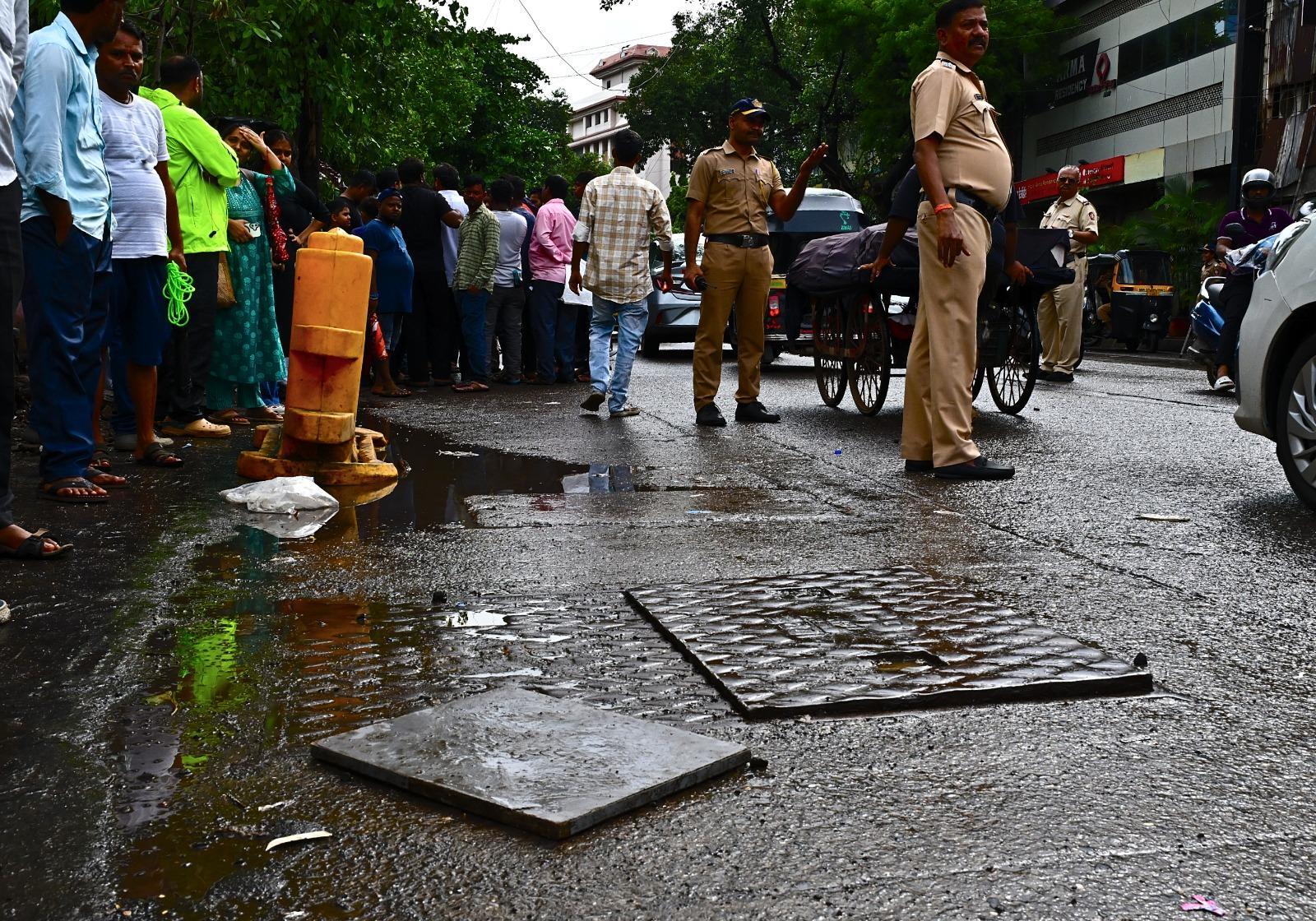
Months after a citizen perished in an uncovered civic drain in India's financial capital, the official inquiry panel has confessed an inability to establish who left the manhole open. Despite widespread public outrage and demands for institutional accountability, the municipal investigative process has bogged down in inter-departmental finger-pointing and bureaucratic obscurity. The failure to assign clear responsibility illustrates the systemic difficulty of enforcing liability within complex municipal corporations. At the core of this stagnation is an entrenched institutional culture that insulates public servants from personal or departmental culpability for infrastructural negligence. Civic contractors, maintenance engineers, and administrative supervisors operate within overlapping jurisdictions where record-keeping is notoriously opaque. When fatal accidents occur, the bureaucratic machinery instinctively activates mechanisms of self-preservation rather than transparent disclosure. The tangible outcome of this persistent obfuscation is a profound erosion of public trust in urban governance and an unaddressed physical hazard for millions of pedestrians. Families of victims are left without legal closure or institutional redress, while municipal field workers continue operating under minimal safety oversight. Accountability remains an elusive ideal in the face of structural administrative inertia.
Comments 0