Mumbai Municipal Corporation Faces Pedestrian Policy Demands for Heritage Districts
Local governance representatives in Mumbai have formally urged municipal authorities to prioritize pedestrian infrastructure in historic commercial zones. Iconic districts like Colaba Causeway and Kala Ghoda are targeted for sweeping walkability overhauls.
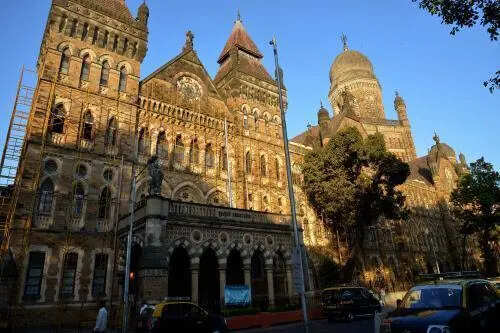
Urban planners and civic representatives are intensifying pressure on the Brihanmumbai Municipal Corporation to overhaul traffic management in the city's historic quarters. The proposed pedestrianization framework seeks to restrict vehicular access along congested retail strips to encourage foot traffic and preserve architectural heritage. Proponents argue that reclaiming street space from parked automobiles is essential for transforming dense commercial zones into public plazas. This municipal friction exposes the ongoing ideological battle between vehicular mobility advocates and pedestrian-first urban designers in India's financial capital. Commercial establishments express anxiety over potential drops in customer footfall if delivery vehicles and private cars are barred from storefronts. Conversely, urban design experts emphasize that pedestrian-friendly zones consistently generate higher long-term retail revenue while drastically reducing local air pollution. The immediate outcome will dictate whether municipal administrators possess the political will to implement comprehensive pedestrian policies against the resistance of motorist lobbies. Pilot projects restricting weekend traffic are expected to launch within specific heritage perimeters to gauge commercial and public reaction. Success in these high-profile zones could establish a blueprint for walkability initiatives across other congested metropolitan wards.
Comments 0