Chandigarh Administration Pivots Vehicle Transfer Policy Toward Electric Mobility
Chandigarh authorities introduced new regulatory mandates steering vehicle transfer registrations exclusively toward electric models. This municipal policy shift aims to accelerate fleet electrification and drastically curb urban vehicular emissions.
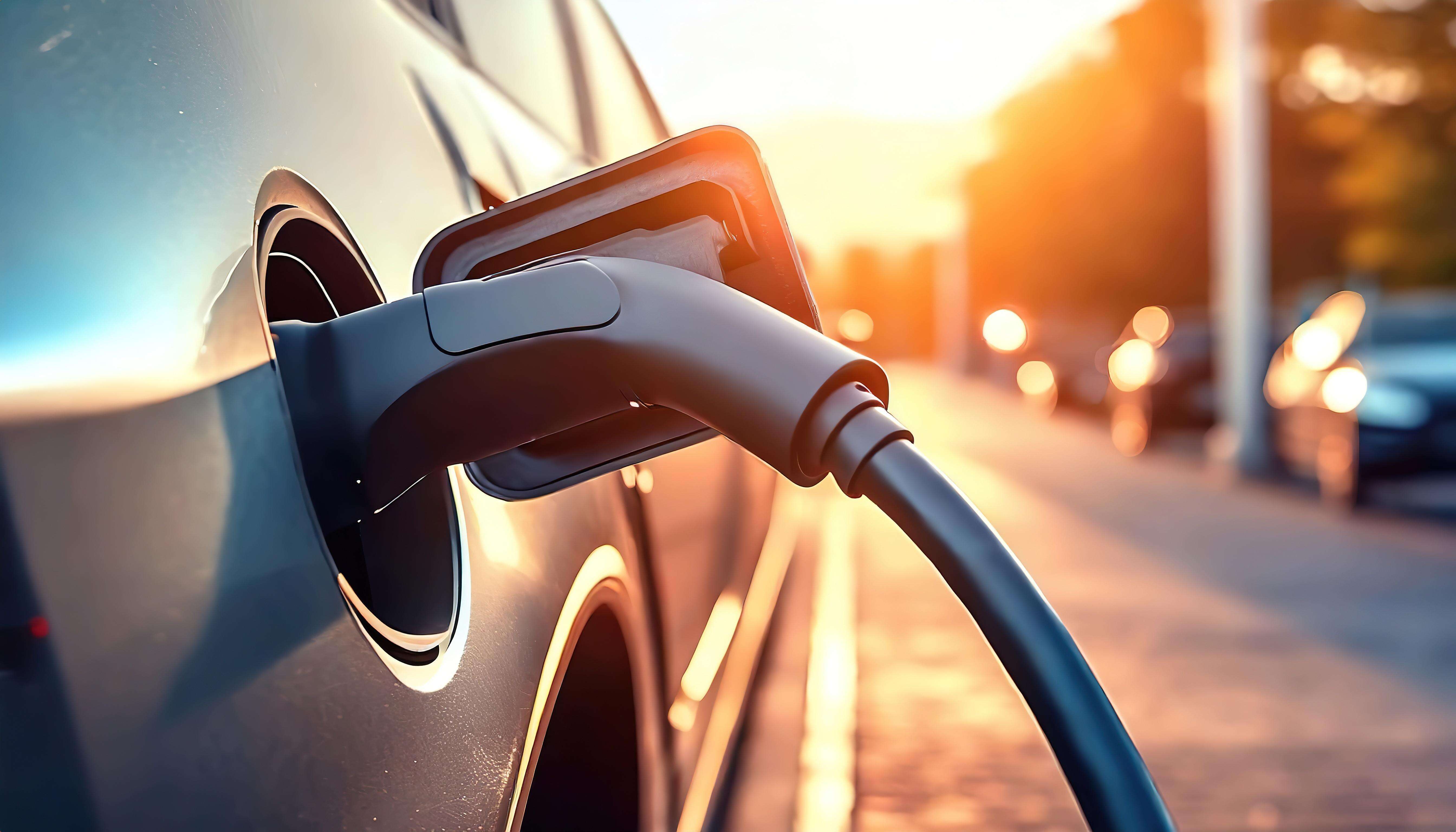
The transport department in Chandigarh initiated a structural regulatory amendment requiring all secondary vehicle ownership transfers to prioritize electric alternatives where applicable. Municipal planners designed the framework to phase out internal combustion engine dominance through administrative friction on resale rather than outright bans on existing cars. Citizens seeking to transfer vehicle titles encounter expedited processing times if transitioning to battery-powered units. Automobile dealers and used-car brokers expressed operational anxiety over the sudden shift, noting that secondary market liquidity for petrol and diesel cars could experience sharp devaluation. Environmental groups, however, praised the intervention as a necessary administrative nudge to force structural decarbonization within a densely populated urban union territory. Bureaucrats navigated pushback by promising targeted charging infrastructure expansion across residential sectors. Prospective vehicle buyers face immediate adjustments in purchasing calculations, finding electric variants more economically attractive due to waived transfer fees. Traditional fuel-based dealerships must rapidly diversify their inventory or suffer declining transaction volumes. The policy serves as a testing ground for other Indian urban centers seeking aggressive carbon reduction targets.
Comments 0