Chandigarh HC Transfers Assault Case to CBI, Exposing Police Collusion in Local Disputes
The Chandigarh High Court has transferred the probe into a local assault case to the CBI, citing evidence that police officers acted to protect the sons of their colleagues. This judicial intervention exposes deep-seated collusion within the local law enforcement apparatus, undermining public trust in the impartiality of the justice system.
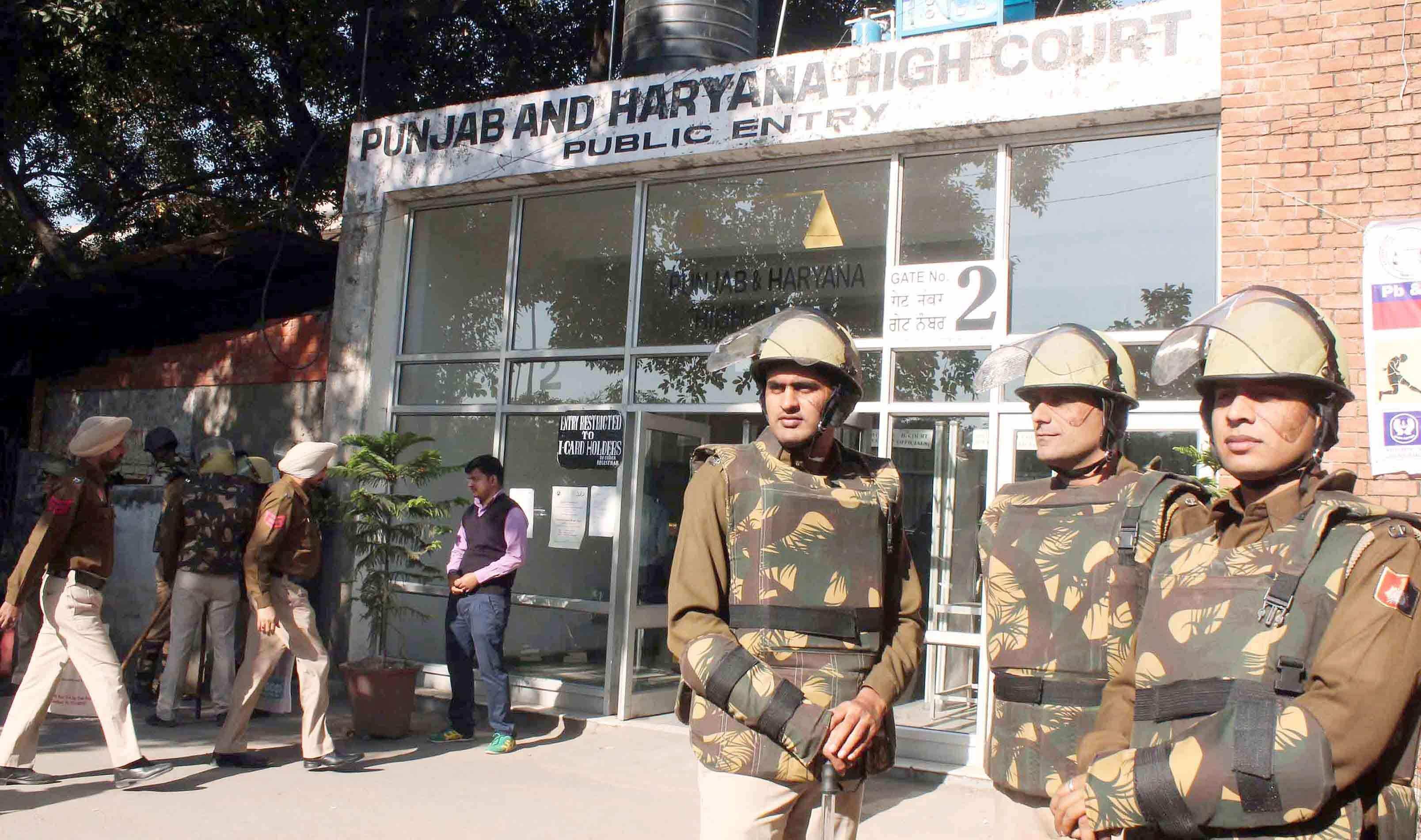
The decision by the Chandigarh High Court to hand over the investigation of a local assault case to the Central Bureau of Investigation marks a significant intervention in a matter that has exposed serious lapses in local policing. The court's order is based on findings that police officers had acted to support the sons of their colleagues, indicating a pattern of favoritism and collusion. This transfer to the CBI is a direct response to the perceived failure of the local police to maintain impartiality and uphold the law.
The underlying tension in this case reveals a systemic issue of institutional friction within the police force, where personal relationships and professional duties are often conflated. The involvement of officers in protecting their colleagues' family members undermines the core principle of impartial law enforcement, eroding public confidence in the police. This incident highlights the need for stricter oversight and accountability mechanisms within the police department to prevent such abuses of power.
The downstream consequences of this judicial intervention are significant, with the CBI's involvement likely to lead to a more thorough and impartial investigation. The tangible outcome includes potential disciplinary actions against the involved officers and a broader review of police practices in Chandigarh. This case serves as a cautionary tale for other regions, emphasizing the importance of maintaining the integrity of law enforcement agencies and the need for robust mechanisms to prevent collusion and favoritism.
Comments 0