Chandigarh Municipal Corporation Collects Record Revenue Through Unified Parking Management System
Municipal authorities in Chandigarh report a substantial financial windfall of 1.7 crore rupees following the successful rollout of an integrated parking management system. The digital overhaul curbs revenue leakage and introduces seamless transactional transparency for urban motorists.
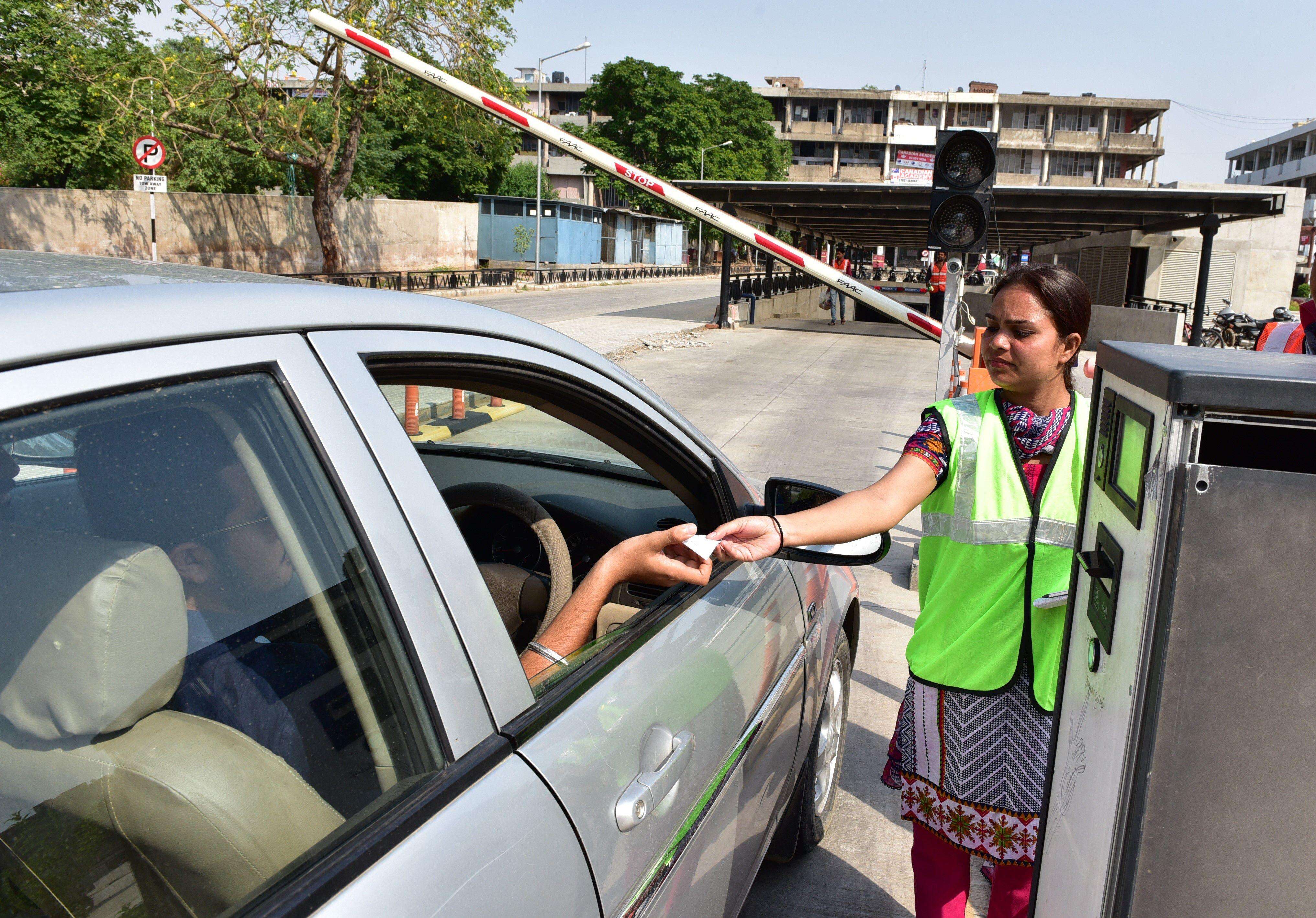
The implementation of a centralized, technology-driven parking framework across Chandigarh has yielded immediate dividends for the local municipal corporation, generating significant capital within its initial operational phase. By eliminating legacy paper ticketing models and replacing them with automated digital payment gateways, urban planners successfully plugged widespread revenue leakages that had plagued municipal treasuries for years. Motorists navigating commercial zones now utilize streamlined mobile applications and automated boom barriers, drastically reducing congestion caused by chaotic vehicular parking maneuvers. The financial success validates the city administration's push toward smart municipal governance.
Urban management experts view Chandigarh as a testing ground for municipal financial self-reliance through digitized public asset monetization. Historically, parking operations in Indian urban centers suffered from rampant contractor mismanagement and cash-handling corruption that starved local bodies of maintenance funds. Transitioning to a unified digital architecture ensures that parking fees flow directly into civic accounts, empowering municipal councils to reinvest capital back into urban green spaces and road maintenance. The shift also highlights growing consumer readiness to adopt digital micro-transactions for routine civic services.
The immediate beneficiary is the municipal budget, which now possesses additional fiscal headroom to fund localized infrastructure projects without relying entirely on state government grants. As other tier-two cities observe Chandigarh's successful deployment, similar automated parking models are expected to proliferate nationwide. The structural outcome points toward a future where municipal governance relies heavily on automated data collection and digital fee collection to sustain urban amenities.
Comments 0