Industrial Bodies Demand Civic Upgrades Before Higher Floor Area Ratio in Chandigarh
Industrial bodies in Chandigarh have issued a constructive critique, demanding significant civic infrastructure upgrades before the government approves a higher Floor Area Ratio (FAR). This move signals a shift in the dialogue between industry and urban planning authorities.
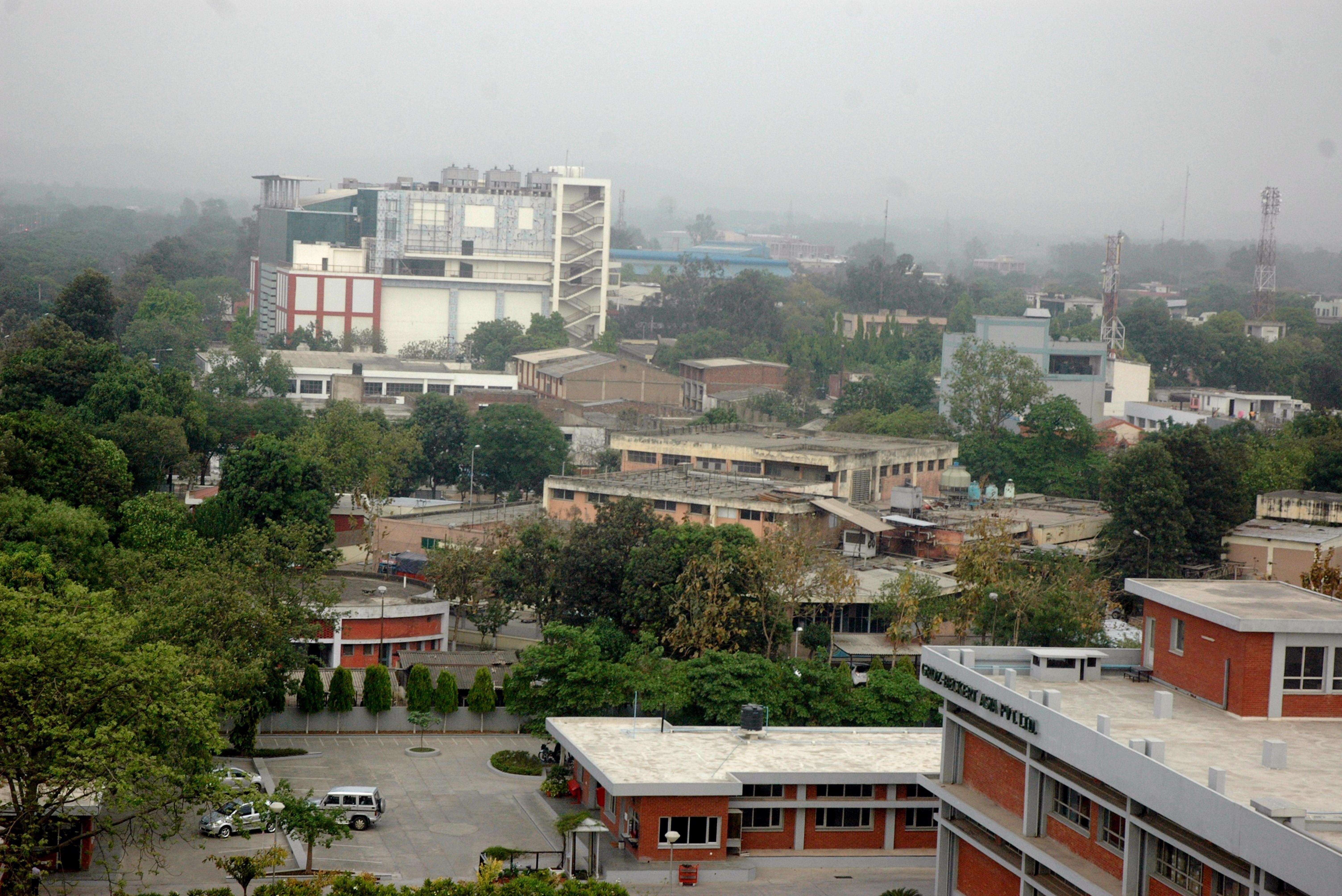
The concrete rupture in this urban planning debate is the conditional stance taken by industrial bodies in Chandigarh regarding the proposed increase in Floor Area Ratio (FAR). Rather than outright opposition, these bodies have demanded that the government first invest in upgrading civic infrastructure, such as roads, water supply, and sewage systems, before allowing for higher density development. This approach represents a strategic shift from passive acceptance to active engagement, where industry players are leveraging their economic influence to shape urban policy. The demand for civic upgrades is a direct response to the current inadequacies in the city's infrastructure, which cannot support the increased load that a higher FAR would bring.
The underlying tension is between the government's desire to boost economic growth through denser development and the need to maintain livable urban conditions. The industrial bodies are arguing that without adequate infrastructure, the higher FAR will lead to congestion, environmental degradation, and a decline in quality of life. This institutional friction is evident in the conflicting priorities of the government, which may view FAR increases as a quick fix for revenue generation, and the industry, which is concerned about the long-term sustainability of the city. The demand for civic upgrades is a way for the industry to hold the government accountable for its promises of development.
The downstream casualties of this dispute include the residents of Chandigarh, who may face the consequences of inadequate infrastructure if the FAR is increased without proper upgrades. The tangible outcome is a potential delay in the approval of the higher FAR, as the government is forced to allocate resources for infrastructure improvements. This case also serves as a model for other cities in India, where industry and urban planning authorities can collaborate to ensure that development is both economically viable and socially sustainable. The constructive criticism from the industrial bodies is a positive sign of a more mature and responsible approach to urban governance.
Comments 0