Chhath Puja Surge Strains Bihar's Railway Infrastructure Amidst Enhanced Crowd Control
Indian Railways has deployed enhanced crowd management systems at major stations in Bihar to handle the massive influx of pilgrims for the Chhath Puja festival. The logistical challenge highlights the strain on the state's transportation network, where religious fervor collides with infrastructural limitations, creating a high-risk environment for public safety.
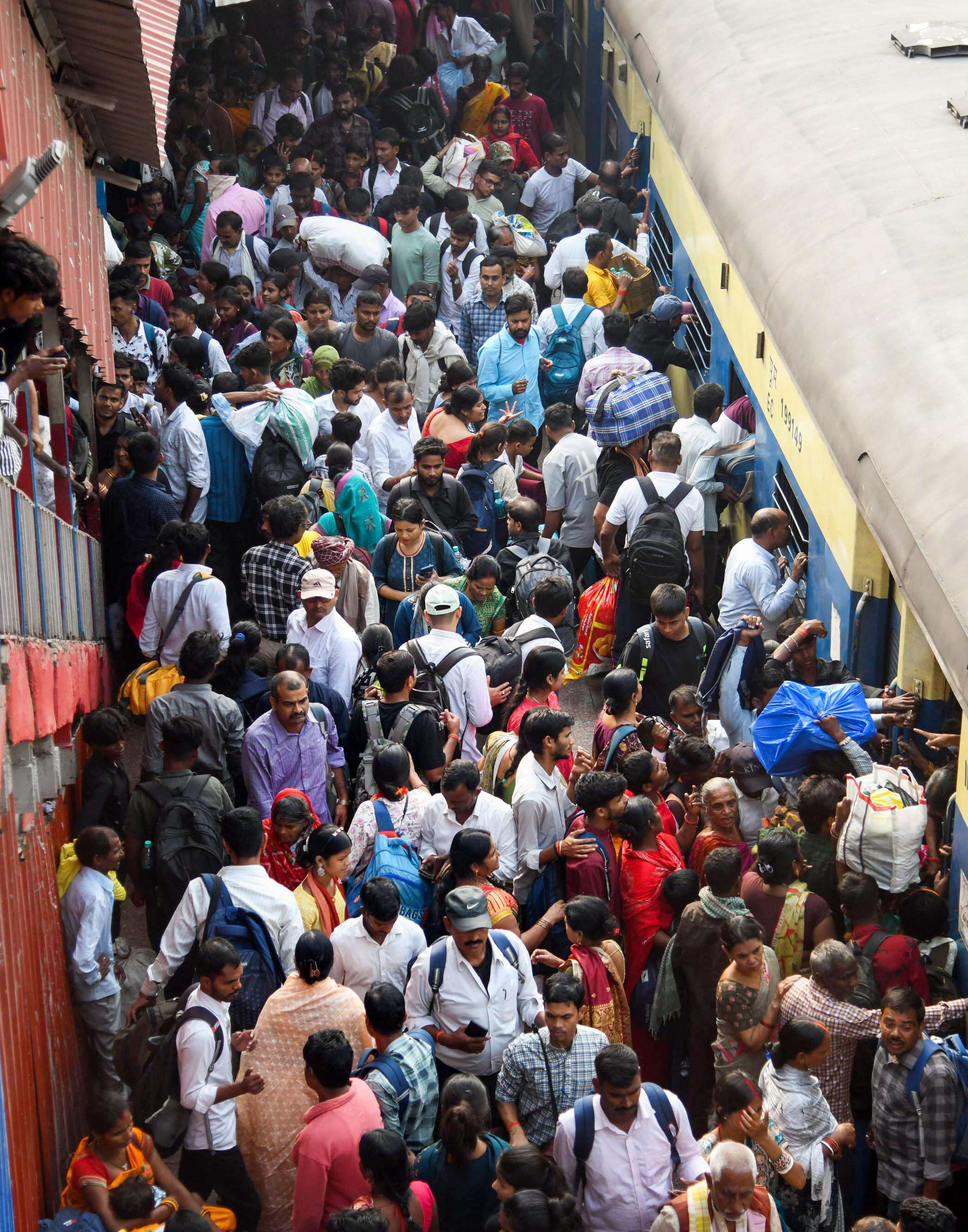
The annual Chhath Puja festival has triggered a massive surge in railway traffic across Bihar, prompting Indian Railways to implement enhanced crowd management systems at major stations. The festival, which is a significant religious event for millions of devotees, draws large crowds to the riverbanks and associated railway hubs, creating a logistical challenge for the transportation network. The railways have deployed additional staff and security personnel to manage the crowds and ensure the safety of the pilgrims. The move is a response to the potential risks associated with large gatherings, including stampedes and other safety hazards. The enhanced crowd management systems are designed to monitor the flow of people and to intervene quickly if any dangerous situations arise. The scale of the festival and the number of participants make this a critical operation for the railways, which must balance the needs of the pilgrims with the operational constraints of the network.
The underlying tension in this situation is the strain on the railway infrastructure, which is often not designed to handle the sudden and massive influx of passengers associated with religious festivals. The stations in Bihar, while important hubs, are often underfunded and understaffed, making it difficult to manage the crowds effectively. The religious fervor of the Chhath Puja adds another layer of complexity, as the pilgrims are often in a state of heightened emotion and are less likely to follow standard crowd control protocols. The railways must therefore adopt a more proactive and flexible approach to crowd management, one that is sensitive to the cultural and religious context of the event. The tension between the operational needs of the railway and the spiritual needs of the pilgrims is a recurring challenge in India, and the Chhath Puja is a prime example of this dynamic. The success of the crowd management efforts will depend on the ability of the railways to adapt to the unique circumstances of the festival.
The downstream consequences of this logistical challenge will be felt by the pilgrims and the broader public. If the crowd management systems fail, the risks of stampedes and other safety incidents increase, potentially leading to loss of life and injury. The disruption to railway services could also have a significant impact on the daily lives of commuters, who may face delays and cancellations. The tangible outcome will be a more robust and resilient railway system, one that is better equipped to handle the challenges posed by large-scale religious events. The experience gained from managing the Chhath Puja crowds will be valuable in preparing for future festivals and other large gatherings. The safety and well-being of the pilgrims are of paramount importance, and the railways must continue to invest in the infrastructure and personnel needed to ensure their safety. The Chhath Puja is a to the deep religious traditions of Bihar, and the railways play a role in facilitating this important cultural event.
Comments 0