China's Diesel Export Plunge Signals Shifting Global Energy Dynamics Amidst Low Inventories
China's diesel exports are set to drop significantly in November as domestic inventories run low following high summer shipments. This shift will impact global fuel markets, potentially leading to price increases and supply chain disruptions in dependent regions.
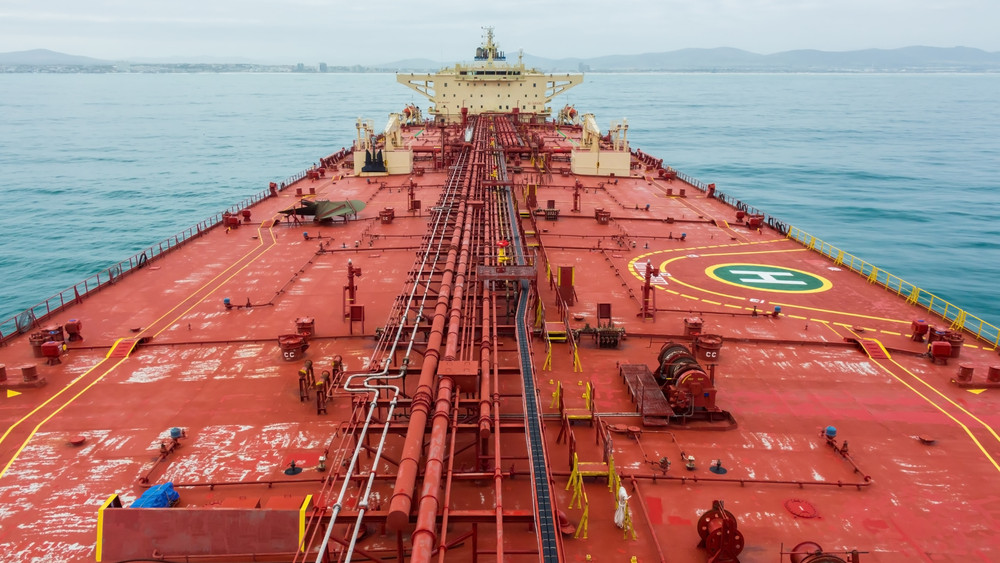
China's diesel exports are on track to decline in November from the highs seen in August and September, as increased fuel shipments at the end of the summer dented domestic inventories. This trend, confirmed by traders and executives with knowledge of export plans, signals a shift in China's energy strategy and has implications for global fuel markets. The reduction in exports is likely to lead to tighter supply conditions in regions that rely on Chinese diesel, potentially driving up prices and causing supply chain disruptions. The move also reflects China's focus on ensuring domestic energy security, as it seeks to balance its role as a major exporter with the need to meet its own growing demand.
The underlying tension in this story is the conflict between China's domestic energy needs and its role as a global supplier. As China's economy continues to grow, its demand for diesel and other fuels is increasing, putting pressure on domestic inventories. The government's decision to prioritize domestic supply over exports reflects a strategic shift towards energy self-sufficiency, which has broader implications for global energy markets. This move also highlights the vulnerability of countries that depend on Chinese diesel, as they are exposed to the risks of supply disruptions and price volatility. The global energy is becoming more complex, with multiple factors influencing supply and demand, and China's actions are a key variable in this equation.
The downstream consequence of China's export reduction is a potential increase in global diesel prices, which will have a significant impact on transportation and industrial sectors. Countries that rely on Chinese diesel, such as those in Southeast Asia and Africa, may face higher costs and supply shortages, leading to economic challenges and social unrest. The shift in China's energy strategy also encourages other countries to diversify their fuel sources, potentially leading to a restructuring of global energy trade routes. The long-term impact will be a more fragmented and volatile global energy market, with increased risks for consumers and businesses alike. This case underscores the importance of energy security and the need for countries to develop resilient supply chains.
Comments 0