Skip to content
🌐 Global🇮🇳 India📍 Asia-Pacific📍 Bihar📍 Delhi-NCR📍 East India📍 Europe📍 Gujarat📍 Karnataka📍 Kerala📍 Madhya Pradesh📍 Maharashtra📍 Middle East📍 North India📍 Northeast India📍 Punjab📍 Rajasthan📍 South India📍 Tamil Nadu📍 Telangana📍 United Kingdom📍 United States📍 Uttar Pradesh📍 West Bengal📍 West India
LIVE
Home / Science
Science

Chinese Aerospace Entities Accelerate Commercial Satellite Deployment to Challenge SpaceX Monopoly

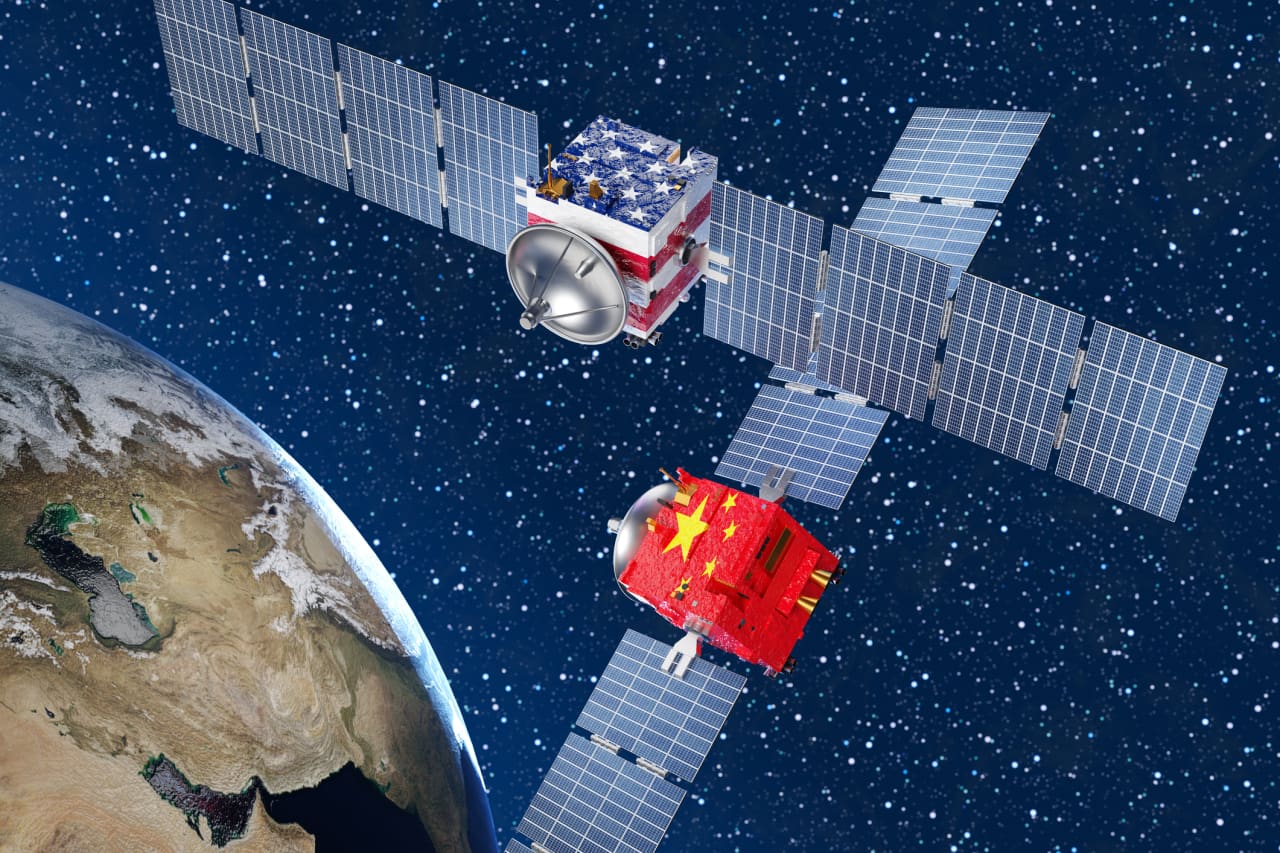
Chinese aerospace technology firms are aggressively scaling orbital launch cadences to capture market share in the global space economy. This state backed industrial push aims to erode the commercial launch dominance currently held by American private enterprises.
MarketWatchSeptember 20, 20261 min read
Share this story
Chinese Aerospace Entities Accelerate Commercial Satellite Deployment to Challenge SpaceX Monopoly
The Strategic Consequence
Intensifying orbital competition will force the United Nations to draft emergency debris mitigation treaties to prevent high density collision cascades.

The global commercial space sector is transitioning from an American monopoly into a fiercely contested geopolitical theater. Beijing has prioritized reusable rocket development and mega constellation deployment as strategic national imperatives. State subsidies and consolidated supply chains allow Chinese launch providers to offer highly competitive pricing to international satellite operators. Western aerospace executives face growing pressure from domestic regulators who view Chinese orbital expansion through a national security lens. Export controls and trade barriers have failed to stem the flow of international capital toward alternative launch providers. Consequently, global satellite operators are reevaluating their supply chains to hedge against geopolitical fragmentation in low Earth orbit. The immediate outcome is a dramatic compression of launch costs for commercial payloads globally. Telecommunications firms and earth observation startups stand to benefit from reduced orbital transit expenses. However, the proliferation of uncoordinated mega constellations dramatically increases orbital congestion and the risk of catastrophic space debris collisions.

📰 Primary Source Publication Verified Resource & Provenance
Original Resource
The Next Brief
Get the day's most important stories in one email
AI-curated morning digest. No noise. Unsubscribe anytime.

Full coverage

3 stories on this
  1. MarketWatchOrbital Hegemony in the Balance As Chinese State Backing Accelerates Space InfrastructureSeptember 20, 2026
  2. NPR NewsLouisiana Officials Seal Multi-Billion Dollar SpaceX Expansion Deal Behind Non-Disclosure WallsSeptember 20, 2026

Comments 0

Advertisement

Related stories

Most read

  1. 1Fire Engulfs Zaporizhzhia Shopping Centre Following Heavy Russian StrikeWorld
  2. 2United Nations Document Findings of United States War Crimes in Iran Prompting Total Washington RejectionWorld
  3. 3Pakistan Enforces Strict Austerity Protocols Amid Severe Fuel ShockWorld
  4. 4Mega Lok Adalat Resolves Thousands of Backlogged Legal Disputes in MysuruPolitics
  5. 5Andhra Pradesh Government Alleges Massive Financial Irregularities in Prior Liquor PolicyPolitics