Chorbagan Tragedy: Monsoon Chaos Claims Nineteen Lives in Kolkata
A sudden downpour triggered a catastrophic collapse at a Durga Puja pandal in Kolkata, resulting in nineteen deaths and exposing severe gaps in crowd management. The incident has ignited a fierce debate over the structural integrity of temporary religious infrastructure in West Bengal.
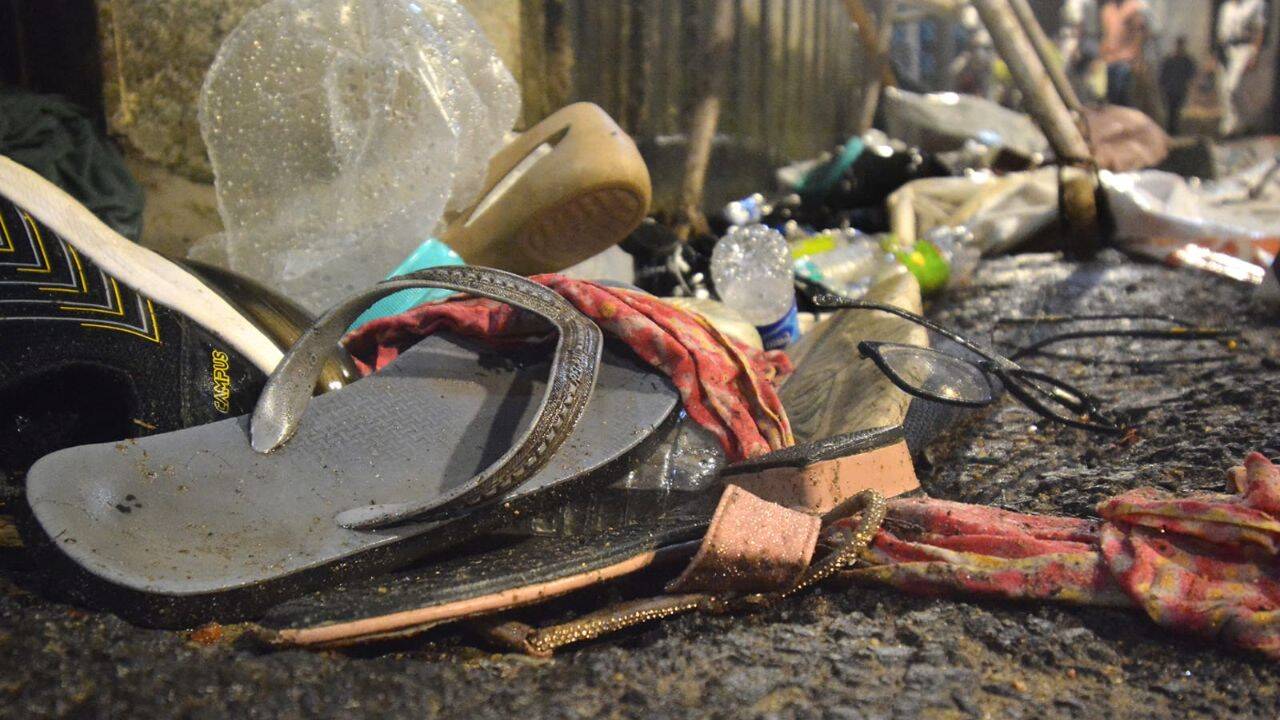
The festive atmosphere in Kolkata’s Chorbagan area was shattered when a heavy rainstorm struck a densely packed Durga Puja pandal. Witnesses described a scene of utter pandemonium as the structure, overwhelmed by the weight of the water and the crowd, began to fail. The immediate aftermath was one of profound grief and confusion, with emergency services struggling to reach the trapped and injured amidst the debris. Nineteen individuals lost their lives in the collapse, turning a moment of communal devotion into a site of national mourning.
The tragedy underscores a persistent tension between the rapid, often informal construction of temporary religious structures and the rigorous safety standards required for large public gatherings. Local authorities and pandal organizers have historically prioritized aesthetic grandeur and capacity over structural reinforcement, a practice that has proven fatal in previous years. The underlying friction lies in the lack of a unified, enforceable regulatory framework that mandates specific load-bearing capacities and emergency evacuation protocols for these ephemeral yet massive installations.
The human cost of this failure is staggering, with nineteen families now grappling with the sudden loss of loved ones. Beyond the immediate grief, the incident places immense pressure on the West Bengal government to overhaul its public safety regulations. The downstream consequence is a likely suspension of similar large-scale events and a renewed scrutiny of municipal oversight, signaling that the era of unchecked improvisation in public religious infrastructure may be coming to a close.
Comments 0